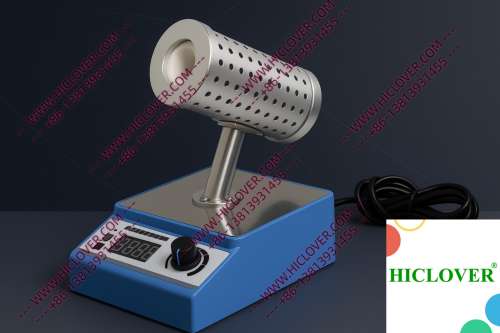
The modern laboratory environment faces significant biosafety challenges, particularly in terms of sterilization workflows. Ensuring the integrity of experiments while adhering to stringent contamination control practices is critical, especially in settings such as BSL-2 and BSL-3 microbiology labs. In this context, compact sterilizers such as Micro Incinerators or Infrared Inoculating Loop Sterilizers emerge as transformative solutions. Their efficient design and superior functionality address both space constraints and safety concerns.
Understanding the Technical Principles
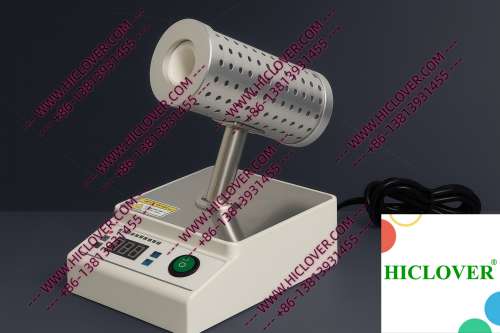
At the heart of the Micro Incinerator’s effectiveness is the use of infrared heat, which provides rapid thermal sterilization without the drawbacks of traditional flame sterilizers like alcohol lamps or Bunsen burners. This method employs an enclosed ceramic heating chamber that efficiently generates high temperatures, allowing for effective disinfection of inoculating loops and other laboratory tools. This design not only enhances safety by eliminating open flames but also reduces the risk of aerosols, ensuring a clean-bench-safe environment.
Key Features of Compact Sterilizers
- Rapid Sterilization: Infrared technology achieves temperatures that ensure swift eradication of microbial contamination.
- Space-Efficiency: Compact design fits seamlessly into laboratory workflows, especially in crowded biosafety cabinets.
- Enhanced Safety: No open flames minimize hazards and aerosol generation, protecting both personnel and samples.
- Durability: Constructed with robust materials, Micro Incinerators are designed for longevity in demanding laboratory environments.
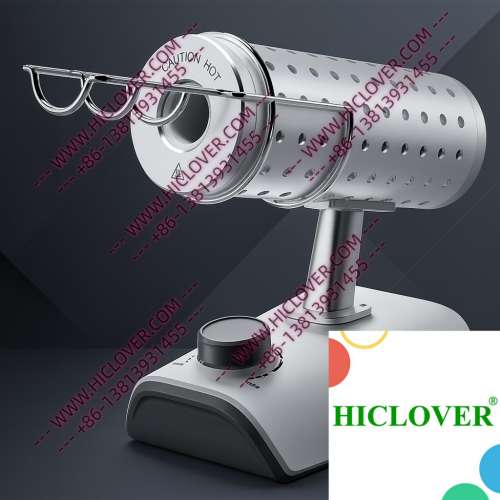
Application Scenarios
1. Biosafety Cabinets
In biosafety cabinets, the need for sterile working conditions is paramount. Using a Micro Incinerator allows researchers to sterilize tools without interrupting airflow, maintaining a sterile perimeter essential for sensitive microbiological work. The compact size ensures that these sterilizers can be integrated into existing workflows effortlessly, enhancing overall safety and efficiency.
2. Field Testing and Teaching Labs
Mobile testing environments and educational labs greatly benefit from the portability of infrared sterilizers. In field settings where traditional heating methods may not be practical due to limited resources or potential fire hazards, these compact units provide a safe and effective means of sterilization. University laboratories can also use these devices for teaching student researchers best practices in sterilization and contamination control.
Biosafety Compliance and Environmental Considerations
Adhering to biosafety standards, such as those outlined by the World Health Organization (WHO), is vital in laboratory settings. The sterilization process must align with established lab sterilization standards, which aim to prevent contamination risks. For instance, the use of flame sterilizers in clean rooms can introduce hazardous aerosols, while Micro Incinerators provide a flame-free solution, promoting compliance with cleanroom protocols.
Additionally, as laboratories strive to reduce their environmental footprint, the efficiency of infrared sterilizers contributes to sustainable practices. By minimizing energy consumption compared to traditional flame-based methods, they represent a eco-friendlier alternative.
Micro Incinerator vs. Flame Burners: A Comparison Table
| Feature | Micro Incinerator | Flame Burners |
|---|---|---|
| Operating Temperature | Up to 850°C | Varies, generally lower |
| Fuel Type | Electric | Gas or Alcohol |
| Safety | Flame-free, aerosol-free | Open flame, potential hazard |
| Portability | Compact design | Generally bulkier |
| Energy Efficiency | High efficiency | Less efficient |
Frequently Asked Questions
What types of materials can be sterilized using a Micro Incinerator?
The Micro Incinerator is effective for sterilizing inoculating loops, scalpels, forceps, and other small laboratory tools made from heat-resistant materials.
Is it safe to use a Micro Incinerator in a BSL-3 lab?
Yes, its flame-free operation makes it safe for use in BSL-3 labs where maintaining sterile conditions is critical.
How long does the sterilization process take?
The infrared sterilization process typically takes just a few seconds, significantly faster than traditional methods.
Can I use a Micro Incinerator for personal protective equipment (PPE) sterilization?
No, Micro Incinerators are designed for the sterilization of small instruments, not for PPE materials.
What maintenance is required for a Micro Incinerator?
Routine cleaning of the heating chamber and periodic checks of electrical components are recommended to ensure optimal performance.
Conclusion
In conclusion, the Micro Incinerator exemplifies how compact sterilization equipment is revolutionizing laboratory workflows. By improving biosafety compliance, enhancing efficiency, and providing a flame-free alternative to traditional sterilization methods, these devices cater to the diverse needs of modern research facilities and educational institutions. If you’re considering upgrading your sterilization processes, the Micro Incinerator offers a reliable and innovative solution. Reach out to us today to explore purchasing options or for additional information on how this technology can benefit your laboratory.
Categories:
Tags: