
Laboratories around the world face practical biosafety challenges in maintaining sterile environments. This is particularly true in rural areas of Chile, where resources may be limited, and traditional sterilization methods could pose risks and inefficiencies. As such, the demand for reliable laboratory sterilization equipment is soaring, pointing towards the need for innovative solutions that can meet complex sterilization workflow demands. Among these solutions, the Micro Incinerator or Infrared Inoculating Loop Sterilizer stands out as a small yet powerful tool that can drastically improve sterilization processes.
Understanding the Technology: Infrared Heating Principles
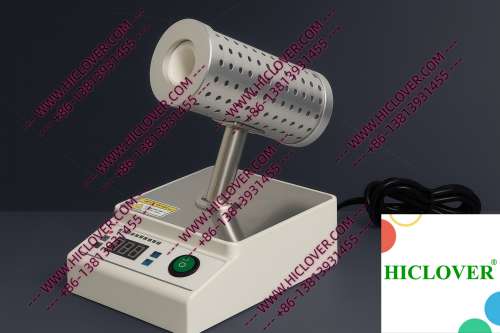
The Micro Incinerator operates on the principle of rapid thermal sterilization, utilizing infrared heat to disinfect inoculating loops and other laboratory tools. The device features a compact yet efficient ceramic heating chamber that reaches high temperatures in a matter of seconds. Unlike traditional flame sterilizers, such as Bunsen burners and alcohol lamps, the Micro Incinerator provides a clean-bench-safe sterilization method that minimizes both aerosol production and contamination risks.
Key Technical Features
- Infrared Heating: Ensures rapid temperature elevation and energy efficiency.
- Ceramic Tube Design: Provides excellent heat retention and minimizes overheating risks.
- Compact Size: Ideal for limited bench space in rural laboratory settings.
- Aerosol-Free Operation: Reduces contamination risks, especially in BSL-2 and BSL-3 laboratories.
- What is a Micro Incinerator?
A Micro Incinerator is a compact sterilization device that uses infrared heat to quickly and effectively sterilize inoculating loops and other laboratory tools.
- How does the Micro Incinerator improve laboratory safety?
By eliminating open flames, the Micro Incinerator significantly reduces the risk of fire and aerosol exposure, making it safer for use in laboratory settings.
- Is the Micro Incinerator compliant with biosafety standards?
Yes, it meets the WHO biosafety standards and is suitable for use in BSL-2 and BSL-3 labs where sterile conditions are crucial.
- Can the Micro Incinerator be used in fieldwork?
Absolutely. Its compact design and efficient operation make it ideal for sterilization during field testing of samples.
- How does the Micro Incinerator compare to traditional sterilization methods?
The Micro Incinerator provides faster sterilization, is safer, and is more energy-efficient compared to traditional flame sterilizers.
Applications in Real Laboratory Settings
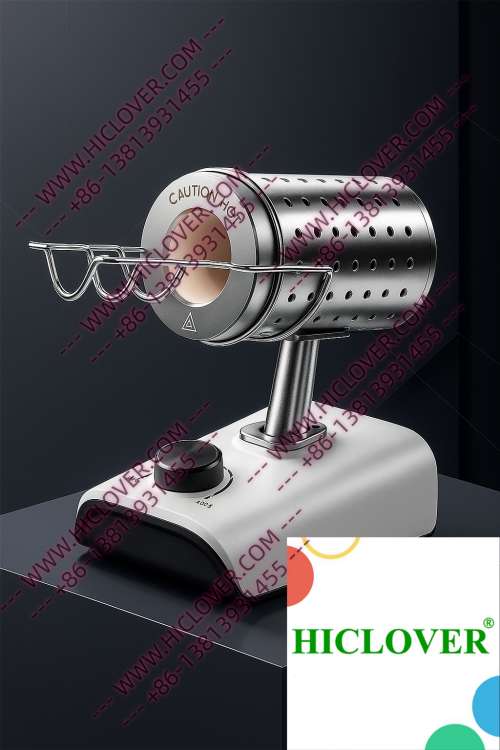
The versatility of the Micro Incinerator makes it suitable for various laboratory applications, particularly in rural Chile where needs can differ vastly from urban counterparts. Let’s explore two distinct scenarios where this device can be effectively utilized.
1. Field Testing Laboratories
In remote areas where field testing is essential, laboratories often lack conventional sterilization equipment. The Micro Incinerator enables researchers to maintain a sterile environment while conducting sample collection and inoculation in outdoor settings. Its portable design allows it to operate efficiently on-site, ensuring scientists can prevent cross-contamination when handling sensitive samples.
2. University Teaching Labs
Educational institutions, such as universities in Chile, benefit greatly from the integration of the Micro Incinerator in their teaching labs. Laboratory courses often require the use of inoculating loops for microbial studies. The infrared sterilization method allows students to practice sterilization techniques without the risks associated with flame handling. Thus, students can focus on their learning experiences in a safer environment.
Compliance and Environmental Considerations
In an age where laboratory safety regulations are increasingly stringent, the Micro Incinerator aligns with various biosafety standards set forth by organizations such as the World Health Organization (WHO). Traditional flame sterilizers often fall short in clean room environments due to the risk of contaminants released into the air. The Micro Incinerator provides a compliant alternative that meets the lab sterilization standards, ensuring that researchers adhere to safety protocols while working within BSL-2 or BSL-3 microbiology laboratories.
This innovation not only aids in maintaining sterile conditions but also supports environmental sustainability by eliminating the need for flammable liquids and minimizing waste through single-use sterilization techniques.
Micro Incinerator vs. Traditional Flame Sterilizers
| Feature | Micro Incinerator | Flame Sterilizers |
|---|---|---|
| Safety | Aerosol-free, no open flame | Open flame risks |
| Speed | Rapid sterilization | Variable, slower heating |
| Workspace | Compact, bench-friendly | Requires more space |
| Energy Use | Energy-efficient infrared heating | Higher energy consumption |
Frequently Asked Questions
Conclusion
As rural laboratories in Chile increasingly seek innovative solutions to their sterilization challenges, the Micro Incinerator emerges as a game-changer. Whether you’re operating a teaching lab or conducting field research, the enhanced safety, efficiency, and compliance offered by this technology make it an essential addition to any laboratory toolkit. Consider upgrading to the Micro Incinerator today to improve your sterilization workflows and protect your work environment. For more information or to place an order, please contact us!
Categories:
Tags: