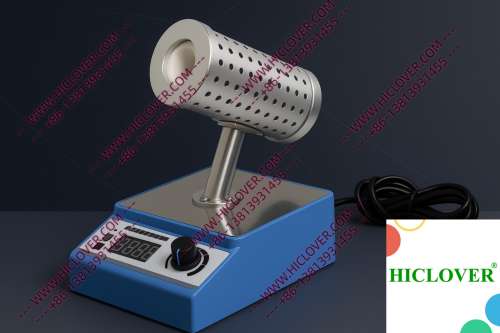
In today’s rapidly evolving laboratory environment, ensuring biosafety and contamination control has never been more crucial. Laboratories, ranging from high-security BSL-2 and BSL-3 microbiology labs to university teaching facilities, face continuous pressures to maintain sterile conditions while managing workflow demands. Enter: the micro incinerator, a small but powerful tool revolutionizing sterilization practices worldwide.
Challenges in Laboratory Biosafety
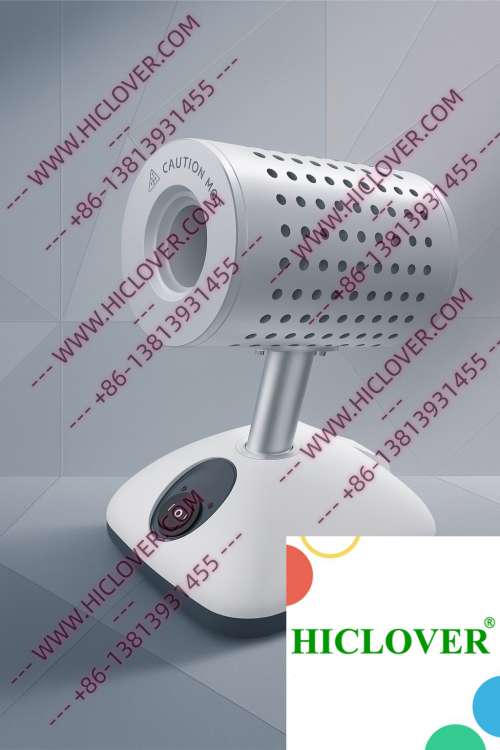
Traditional sterilization methods, like alcohol lamps and Bunsen burners, pose significant challenges. They produce open flames, creating risks of contamination and potential hazards in clean rooms. This can hinder effective sterilization workflows, as lab personnel often require quick and efficient solutions without the dangers associated with flame-based models.
The need for rapid thermal sterilization has led to the development of innovative sterilization equipment. Among these, the Micro Incinerator or Infrared Inoculating Loop Sterilizer stands out, offering a unique solution to some of the most pressing biosafety and workflow challenges faced by laboratories today.
Technical Principles and Configuration
The micro incinerator operates on the principle of infrared high-temperature disinfection. It features an enclosed ceramic heating chamber that provides rapid, consistent heat without the risk of producing aerosols—a significant advancement in contamination control. Upon activation, the ceramic tube reaches sterilization temperatures within seconds, allowing rapid and efficient cleaning of inoculating loops and other small tools.
With a compact design, the micro incinerator is not only efficient but also compatible with various sterilization environments, from sterile lab benches to field testing scenarios. This versatility allows laboratories to use the device across different settings while maintaining compliance with strict biosafety standards.
Application Scenarios in Real Labs
1. Biosafety Cabinets
In BSL-2 and BSL-3 microbiology labs, the need for a safe workspace is paramount. Micro incinerators are increasingly being integrated into biosafety cabinets, ensuring that lab personnel can sterilize equipment without affecting the sterile environment. The infrared design guarantees no open flames or aerosol production, making it clean-bench-safe and protecting sensitive biological samples.
2. Teaching Labs
In educational institutions, teaching labs often require efficient sterilization methods that are easy to use for students. Micro incinerators provide a straightforward approach, enabling students to learn proper sterilization techniques without the complexity and danger of flame-based sterilizers. This setup not only fosters a safe learning environment but also reinforces proper techniques for future scientific endeavors.
Compliance with Biosafety Standards
Globally, the World Health Organization (WHO) sets stringent biosafety guidelines that laboratories must adhere to. The micro incinerator’s design aligns with these standards, particularly for sterilization in clean rooms, where any open flame would pose a significant contamination risk. Traditional flame sterilizers cannot be reliably used in these environments due to their potential to introduce aerosols, thus increasing the likelihood of contamination and compromising lab integrity.
The micro incinerator meets these compliance needs effectively, adhering to multiple sterilization standards recognized across various regions, including stringent laboratory sterilization regulations in the United States and European Union. These regulations necessitate that sterilization equipment not only meets efficacy expectations but also prioritizes user safety.
Comparison: Micro Incinerator vs. Traditional Flame Sterilizers
| Feature | Micro Incinerator | Traditional Flame Sterilizer |
|---|---|---|
| Safety | No open flames; aerosol-free | Open flames; high risk of accidents |
| Speed | Immediate heat; sterilization in seconds | Variable; depends on flame stability |
| Portability | Compact and lightweight | Generally bulkier |
| Compliance | Meets WHO standards for clean environments | Not suitable for clean room environments |
FAQs About Micro Incinerators
- What is a micro incinerator? A micro incinerator is a compact sterilization device that uses infrared heat to sterilize inoculating loops and other small laboratory equipment quickly and safely.
- How does a micro incinerator improve laboratory safety? It eliminates the risk of open flames, reducing the chances of accidents and contamination, making it suitable for sensitive lab environments.
- Can I use a micro incinerator in a biosafety cabinet? Yes, micro incinerators can be safely used within biosafety cabinets, supporting sterile workflows without introducing aerosols.
- Why should I switch from flame sterilizers to micro incinerators? Micro incinerators are faster, safer, and compliant with biosafety standards, making them a superior choice for modern laboratories.
- What are the maintenance requirements for a micro incinerator? Minimal maintenance is needed; regular inspection of the heating element ensures optimal performance throughout its lifespan.
Conclusion
As laboratories face increasing demands for efficient sterilization and enhanced biosafety, the micro incinerator emerges as a game-changer. Its small footprint belies its power, enabling rapid sterilization that meets the stringent demands of modern scientific practices. Whether for clinical diagnostics, teaching labs, or mobile testing scenarios, integrating a micro incinerator into your lab operations can streamline workflows while ensuring compliance with vital safety standards.
If you’re considering upgrading your lab’s sterilization equipment, reach out to us today to explore our range of micro incinerators that best fit your needs. Together, let’s elevate the standards of laboratory safety and efficiency.
Categories:
Tags: