
In modern laboratories, efficiency and safety are paramount, especially when managing biosafety challenges. Contamination control in laboratories, especially those dealing with biological hazards, is crucial. Rapid thermal sterilization tools like micro incinerators have emerged as vital components in the sterilization workflows of labs across the globe. Particularly, the Micro Incinerator or Infrared Inoculating Loop Sterilizer stands out for its advanced features and effective performance in eliminating potential pathogens from inoculating loops and other lab instruments.
Revolutionizing Laboratory Sterilization: The Technical Principles
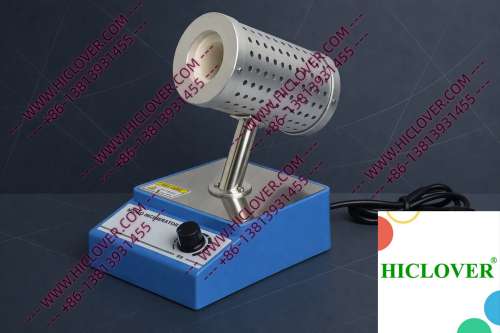
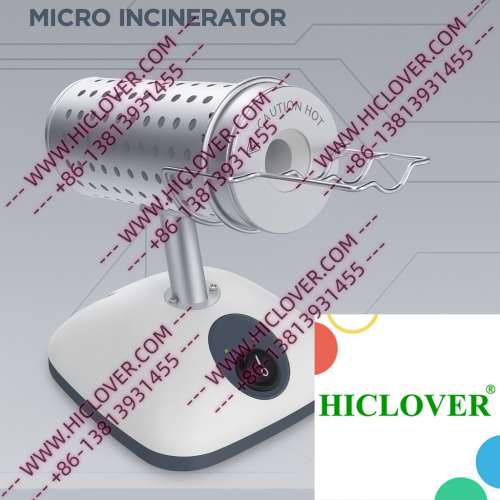
Micro incinerators operate on the principle of localized infrared high-temperature disinfection. Utilizing an enclosed ceramic heating chamber, these devices generate intense infrared heat, enabling rapid sterilization of metallic instruments without exposure to open flames. This ensures safer handling within clean rooms and prevents hazardous aerosols from being generated—an essential requirement in sensitive environments like BSL-2 and BSL-3 microbiology labs.
The compact design of micro incinerators allows seamless integration into various laboratory settings, including biosafety cabinets. Unlike traditional flame sterilizers such as alcohol lamps and Bunsen burners, which pose risks associated with open flames and combustion gases, micro incinerators provide a safe, flame-free alternative. This not only enhances safety but also improves the overall workflow of sterile procedures.
Applications in Real Labs
- Biosafety Cabinets: In BSL-2 and BSL-3 microbiology labs, micro incinerators can be operated within biosafety cabinets to sterilize inoculating loops and other tools efficiently. This setup minimizes the risk of contamination during microbiological assays, ensuring a sterile environment for both the sample and the technician.
- Field Testing: Micro incinerators are becoming essential in field testing laboratories where immediate sterilization of tools is critical. Their portability and ease of use make them ideal for on-site applications, helping professionals conduct clinical diagnostics or environmental assessments safely and effectively.
- Teaching Labs: In academic environments, where students learn microbiological techniques, micro incinerators provide a safer and more reliable method for sterilizing tools. Unlike traditional flame-based methods, these devices lower the risk of accidents, allowing students to focus on learning proper techniques without worrying about flame management.
Compliance and Safety Considerations
When considering laboratory sterilization equipment, compliance with various standards is critical. The World Health Organization (WHO) provides guidelines emphasizing the importance of sterilization tools in managing infectious waste and maintaining biosafety standards. Furthermore, laboratories often adhere to specific sterilization protocols that prohibit open flames in clean rooms or sterile environments.
In terms of biosafety compliance, using micro incinerators aligns with these stringent regulations due to their closed heating mechanisms, which help in maintaining a contamination-free environment. This is especially significant in laboratories engaged in sensitive research, clinical diagnostics, and vaccine development, where the risks associated with infectious agents are highest.
Advantages of Micro Incinerators Over Traditional Flame Sterilizers
| Feature | Micro Incinerator | Flame Sterilizers |
|---|---|---|
| Heat Source | Infrared | Open Flame |
| Contamination Control | Closed System | Aerosol Generation |
| Safety | Flame-Free | Fire Hazard |
| Speed of Sterilization | Rapid | Moderate |
| Usability in Clean Rooms | Yes | No |
Frequently Asked Questions
What are the main benefits of using a micro incinerator in a laboratory setting?
The primary benefits include enhanced safety due to flame-free operation, rapid thermal sterilization capabilities, and improved contamination control that complies with stringent biosafety standards.
Can a micro incinerator be used in a biosafety cabinet?
Yes, micro incinerators are suitable for use within biosafety cabinets, providing an effective method for sterilizing laboratory tools while minimizing the risk of contamination.
What types of laboratories can benefit from using a micro incinerator?
Micro incinerators can benefit various types of laboratories, including BSL-2/BSL-3 microbiology labs, clinical diagnostics, university teaching labs, and mobile field testing labs.
How does a micro incinerator compare to traditional flame sterilization methods?
Micro incinerators offer advantages including faster sterilization times, no risk of fire or aerosol generation, and suitability for use in clean rooms compared to traditional flame sterilizers.
Are there specific sterilization protocols to follow when using a micro incinerator?
Yes, laboratories should follow standard sterilization protocols approved by relevant health authorities and organizations, ensuring safe and effective use of micro incinerators in compliance with biosafety regulations.
Conclusion: Embrace the Future of Laboratory Sterilization
The transition from traditional flame sterilizers to innovative micro incinerators marks a significant advancement in laboratory sterilization practices. By enhancing safety and efficiency, these small yet mighty devices are poised to redefine urban waste disposal methods. If your laboratory is seeking to improve its sterilization workflow while maintaining compliance with the highest biosafety standards, consider integrating a Micro Incinerator / Infrared Inoculating Loop Sterilizer into your operations. Contact us today for more information or to place an order!
Categories:
Tags: