
In today’s laboratory environments, the need for efficient and effective sterilization processes is more critical than ever. With rising biosafety challenges and the demand for robust sterilization workflows, laboratories must continuously seek innovative solutions. Traditional sterilization methods, such as alcohol lamps and Bunsen burners, often present risks of aerosol contamination and require careful monitoring of flame safety. Enter the Micro Incinerator, particularly the Infrared Inoculating Loop Sterilizer, which is revolutionizing waste disposal and sterilization in Czech communities.
Understanding the Technical Principles of Micro Incinerators
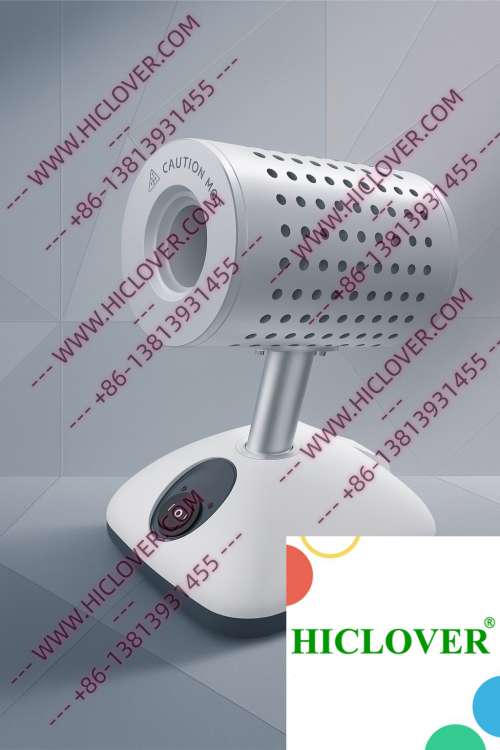
The Micro Incinerator operates on a principle of rapid thermal sterilization. Unlike conventional flame-based systems, it utilizes precise infrared heating technology within an enclosed ceramic heating chamber. This innovative design ensures consistent high-temperature disinfection while minimizing the risks associated with open flames.
Key features of the Micro Incinerator include:
- Infrared Heat Technology: Provides instant, safe disinfection without the risk of flames.
- Enclosed Ceramic Tube: Ensures safe handling and significantly reduces contamination risks.
- Compact Design: Easily fits in various laboratory settings, including biosafety cabinets and teaching labs.
- What is the primary use of a Micro Incinerator in a lab setting?
The primary use is to provide rapid thermal sterilization of inoculating loops, tools, and other laboratory equipment while minimizing contamination risks.
- How does a Micro Incinerator differ from a Bunsen burner?
While a Bunsen burner uses an open flame, the Micro Incinerator operates on infrared technology, providing a safer, more efficient sterilization method.
- Can I use a Micro Incinerator in a biosafety cabinet?
Yes, its compact design and lack of an open flame make it ideal for use inside biosafety cabinets, enhancing safety during sensitive procedures.
- How does the Micro Incinerator comply with laboratory safety standards?
It meets WHO biosafety standards and lab sterilization norms by eliminating the risks associated with flames in clean environments.
- What are the advantages of using a Micro Incinerator in educational settings?
Its safety features and efficiency make it perfect for university teaching labs, allowing students to learn proper sterilization techniques without the hazards of traditional flame sterilizers.
Application Scenarios in Real Labs
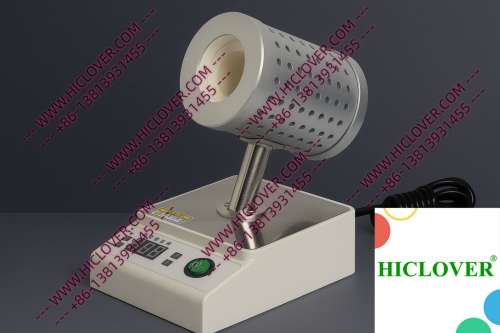
Micro Incinerators have found their way into numerous laboratory setups, showcasing versatility across different applications.
Biosafety Cabinets
In BSL-2 and BSL-3 microbiology labs, where the containment of pathogens is essential, the Micro Incinerator offers a clean, efficient alternative to traditional sterilization methods. Users can easily sterilize inoculating loops and other equipment without the fear of flames interfering with meticulous work.
Field Testing and Mobile Labs
Mobile testing labs, particularly those employed in environmental science or public health, benefit from the portability and reliability of the Micro Incinerator. Its lightweight design allows for easy transportation, making it an excellent choice for field tests where immediate contamination control is necessary. In such scenarios, rapid thermal sterilization can prevent the cross-contamination of samples.
Compliance and Environmental Considerations
In compliance with WHO biosafety standards, effective sterilization is paramount in laboratory settings. Laboratories must adhere to the lab sterilization standards to maintain safety and integrity in their results. The clean-bench-safe design of Micro Incinerators eliminates the need for flames in sterile environments, aligning perfectly with the stringent norms set for clean rooms and labs.
“Using a Micro Incinerator not only meets safety requirements but also enhances the efficiency of sterilization processes, crucial for today’s advanced laboratory workflows.”
Comparison of Micro Incinerator and Traditional Flame Sterilizers
| Feature | Micro Incinerator | Flame Sterilizers |
|---|---|---|
| Operating Principle | Infrared heating | Open flame |
| Contamination Risk | Minimal | High |
| Flame Safety | No flame | Hazardous |
| Portability | Highly portable | Bulky and less mobile |
Frequently Asked Questions
Conclusion
In summary, the Micro Incinerator and its specialized Infrared Inoculating Loop Sterilizer promise a transformative approach to sterilization in Czech laboratories. Not only do they meet the growing needs for contamination control and compliance, but they also streamline workflows and enhance safety in diverse laboratory scenarios. As the demand for high-quality sterilization equipment continues to grow, consider integrating Micro Incinerators into your laboratory toolkit.
For more information about purchasing or distributing Micro Incinerators, please feel free to contact us. Your move towards safer, cleaner laboratory practices starts here!
Categories:
Tags: