
The landscape of laboratory biosafety is constantly evolving, driven by the pressing demands for improved sterilization workflows and contamination control. Laboratories, whether in a clinical diagnostics setting, a university, or a research center, require reliable sterilization equipment that not only meets stringent biosafety regulations but also enhances operational efficiency. Among the forefront of innovative solutions is the Micro Incinerator, specifically the Infrared Inoculating Loop Sterilizer, which is making significant strides in transforming waste disposal and sterilization practices in the UK.
Exploring the Technical Principles of Micro Incinerators
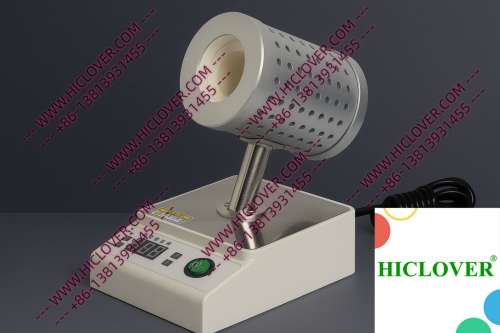
The Micro Incinerator operates on the principle of rapid thermal sterilization, utilizing infrared heat to achieve high temperature disinfection. This advanced sterilizer features an enclosed ceramic heating chamber that ensures uniform heat distribution and maximizes efficiency. Unlike traditional flame sterilizers, such as alcohol lamps and Bunsen burners, the infrared heat source provides precise temperature control, allowing for effective sterilization of inoculating loops, needles, and other lab tools without the inconveniences associated with open flames.
Benefits Over Traditional Flame Sterilizers
- Aerosol-free Handling: The enclosed design minimizes the risk of generating aerosols, which is particularly crucial in biosafety cabinet environments.
- Temperature Consistency: Infrared technology ensures consistent heating without the fluctuations that can occur with gas flames.
- Clean-bench-safe: Unlike open flames, Micro Incinerators can be safely used in clean benches where flame presence is restricted.
- Space Efficiency: Compact and portable, these devices require less laboratory space compared to traditional setups.
Application Scenarios in Real Labs
Micro Incinerators are increasingly finding applications across a range of laboratory contexts, highlighting their versatility and efficiency. Here are two distinct scenarios where these devices are transforming operations:
1. BSL-2 and BSL-3 Microbiology Labs
Within BSL-2 and BSL-3 microbiology laboratories, where pathogens are being handled, sterilization is paramount. The Infrared Inoculating Loop Sterilizer serves an essential role in ensuring that all inoculating loops and tools are rapidly sanitized before and after use, thus preventing cross-contamination. In these environments, where flame sterilizers can present safety risks, the Micro Incinerator provides a safer alternative, allowing for aerosol-free operations and compliance with stringent biosafety protocols.
2. University Teaching Labs
In academic settings, particularly within university teaching labs, the importance of demonstrating effective sterilization practices cannot be understated. The Micro Incinerator equips students with hands-on experiences in biosafety measures while simplifying the teaching workflow. Unlike Bunsen burners, which require significant time to heat and can be challenging to control in a busy lab scenario, the Micro Incinerator allows for quick, on-demand sterilization, facilitating a more streamlined learning process.
Compliance and Environmental Considerations
Compliance with global biosafety standards is a primary concern within laboratory environments. The World Health Organization (WHO) outlines specific guidelines that laboratories must adhere to in order to minimize the risk of biohazard exposure. The Micro Incinerator complies with these WHO biosafety regulations by offering a method of sterilization that effectively eliminates pathogens without the risks associated with open flames in cleanroom settings.
As environmental consciousness grows, the Micro Incinerator presents itself as an eco-friendly solution for waste disposal. By utilizing infrared heat, it minimizes energy use and waste incineration compared to traditional flame methods, supporting laboratories in their efforts to adopt more sustainable practices.
FAQs About Micro Incinerators
1. What is a Micro Incinerator, and how does it work?
A Micro Incinerator is an advanced sterilization device that uses infrared heat for rapid thermal sterilization. Its enclosed heating chamber allows for efficient and consistent temperature control, facilitating the sterilization of tools without open flames.
2. Can Micro Incinerators be used in cleanrooms?
Yes! Micro Incinerators are designed to be clean-bench-safe, making them suitable for use in cleanrooms where flames are not allowed.
3. How do Micro Incinerators compare to traditional flame sterilizers?
Micro Incinerators offer several advantages over traditional flame sterilizers, including aerosol-free handling, consistent temperature control, and space efficiency.
4. Are Micro Incinerators compliant with laboratory safety standards?
Absolutely. Micro Incinerators meet WHO biosafety standards, making them an ideal choice for microbiology labs adhering to strict sterilization protocols.
5. Where can I purchase a Micro Incinerator?
You can contact laboratory supply distributors, hospitals, and universities in your region to inquire about purchasing Micro Incinerators designed for your specific needs.
Conclusion
In summary, the Micro Incinerator is not just a tool; it’s a powerful ally in the fight against contamination in laboratory environments. Its user-friendly design, compliance with biosafety regulations, and superior sterilization capabilities make it a superior choice over traditional flame sterilizers. For laboratories across the UK, investing in a Micro Incinerator or Infrared Inoculating Loop Sterilizer not only enhances operational safety but also streamlines sterilization processes. Don’t miss the opportunity to elevate your lab’s biosafety standards—reach out today for more information on how to equip your facility with this essential sterilization technology.
Categories:
Tags: