
Laboratory environments demand stringent biosafety measures and effective sterilization procedures to prevent contamination and ensure the integrity of research. Various sterilization methods have been employed historically, with flame-based options like Bunsen burners and alcohol lamps dominating the landscape. However, the emergence of micro incinerators, specifically the Infrared Inoculating Loop Sterilizer, is revolutionizing laboratory sterilization practices.
Understanding the Technical Principles
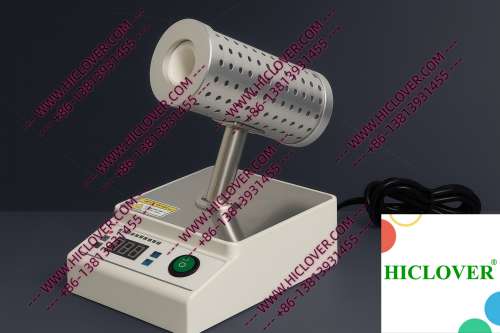
The Micro Incinerator operates using advanced infrared heating technology, which enables rapid thermal sterilization of inoculating loops and instruments. Unlike traditional flame-based methods, the micro incinerator features an enclosed ceramic tube that generates high-temperature disinfection without combustion byproducts. This closed system significantly minimizes aerosol emissions, enhancing safety and reducing the risk of cross-contamination in various laboratory settings.
Advantages of Micro Incinerators Over Traditional Flame Sterilizers
| Feature | Micro Incinerator | Flame Sterilizers |
|---|---|---|
| Sterilization Time | Rapid (within seconds) | Variable (dependent on flame adjustment) |
| Aerosol Production | None | High (can lead to contamination) |
| Heat Control | Precise infrared control | Requires manual adjustment |
| Clean Room Compatibility | Yes | Not recommended |
Real-World Applications in Laboratories
1. Biosafety Cabinets
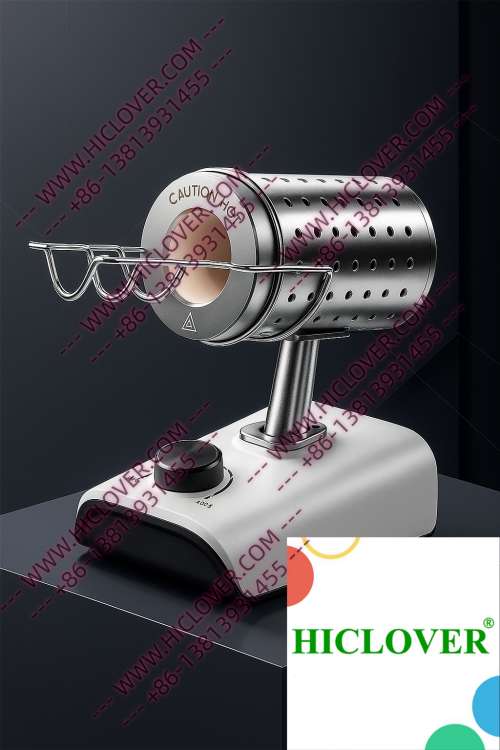
Micro incinerators are invaluable in BSL-2 and BSL-3 facilities where contamination risk must be minimized. In such controlled environments, operators can effectively sterilize loops and other metal instruments without the risk of flame ignition. The sterilizer’s compact size and enclosed design allow it to fit seamlessly into a biosafety cabinet, ensuring an aerosol-free handling process.
2. University Teaching Labs
In academic settings, the Infrared Inoculating Loop Sterilizer enhances the learning experience for students in microbiology courses. Students can focus on their experiments without the distractions and risks associated with open flames. The rapid sterilization offered by micro incinerators also allows for more efficient lab workflows, enabling multiple experiments to be conducted in a single session.
Compliance and Environmental Considerations
Adhering to global biosafety standards is paramount. The World Health Organization (WHO) outlines strict regulations for laboratory sterilization practices. The micro incinerator aligns with these requirements, particularly in clean rooms where no open flame is permitted. By facilitating high-temperature sterilization without flame, the Infrared Inoculating Loop Sterilizer supports laboratories in meeting regulatory compliance while maintaining a safe working environment.
Additionally, the reduced emissions associated with micro incinerators make them an environmentally-friendly choice. With increasing regulations around the use of traditional sterilizers, laboratories must adopt modern technologies that meet both safety and environmental criteria.
Frequently Asked Questions
- What is the primary advantage of a micro incinerator over traditional sterilization methods? The micro incinerator provides rapid thermal sterilization without producing aerosols, significantly reducing contamination risk.
- Can a micro incinerator be used in clean rooms? Yes, the enclosed nature and lack of open flame make it suitable for use in clean room environments.
- How does the temperature control work in a micro incinerator? The infrared heating technology allows for precise temperature adjustments, ensuring rapid and effective sterilization.
- Are there specific applications where micro incinerators excel? They are particularly beneficial in BSL-2/BSL-3 labs, teaching labs, and mobile or field testing labs.
- What should I consider when purchasing a micro incinerator? Consider the power source, portability, sterilization time, and compatibility with your laboratory environment.
Conclusion: Embracing Innovation in Laboratory Practices
The transition to micro incinerators, such as the Infrared Inoculating Loop Sterilizer, represents a significant leap forward in laboratory sterilization technology. As Turkey continues to invest in modern waste management and laboratory safety practices, understanding the benefits of these small but mighty devices becomes crucial for laboratory supply distributors, hospitals, universities, and research centers alike.
For those interested in improving their sterilization workflows and meeting compliance standards, exploring the integration of micro incinerators into laboratory practices can enhance both safety and efficiency. Reach out today to learn more about how our innovative solutions can meet your laboratory needs.