
In the world of laboratory operation, biosafety is paramount. Laboratory professionals often face the challenge of efficiently sterilizing instruments and materials while adhering to the stringent safety protocols. Traditional sterilization methods, such as alcohol lamps and Bunsen burners, can release harmful aerosols, compromise cleanliness, and present fire hazards in sensitive environments. To combat these issues, innovative solutions like the Micro Incinerator, particularly the Infrared Inoculating Loop Sterilizer, are gaining traction in Uganda’s waste management landscape and laboratory settings.
Understanding Micro Incinerators: How They Work
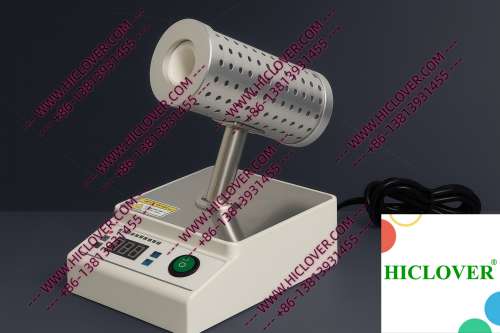
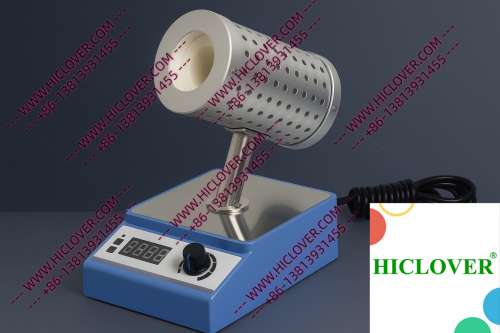
The Micro Incinerator is designed to provide rapid thermal sterilization through infrared heat technology. Inside this device is an enclosed ceramic heating chamber that minimizes contamination risks and ensures high-temperature disinfection without the open flame associated with traditional methods. By utilizing infrared radiation, the Micro Incinerator can achieve temperatures exceeding 800°C, allowing for efficient sterilization of inoculating loops, scalpels, and other delicate instruments.
- Rapid Thermal Sterilization: Reducing wait times between procedures.
- Aerosol-Free Handling: Mitigating contamination risks in clean environments.
- Environmentally Safe: Compliant with WHO and local biosafety standards.
- Cost-Effective: Lower energy consumption compared to traditional methods.
Application Scenarios in Ugandan Laboratories
1. University Teaching Labs
In higher education institutions, especially in Uganda, biology and microbiology labs often need efficient sterilization methods for hands-on training. The Micro Incinerator’s portability and ease of use make it an ideal choice for university labs. Educators can demonstrate proper sterilization techniques while allowing students to practice without the risk of open flames, ensuring a safer learning environment.
2. Field Testing Laboratories
Field testing labs, particularly in rural or remote areas of Uganda, face unique challenges regarding biosafety and sterilization. The Micro Incinerator provides a mobile solution for scientists collecting samples in the field. Its compact design and ability to sterilize in high-temperature conditions make it invaluable for rapid and reliable sterilization of instruments used in various environmental analyses.
Compliance and Environmental Considerations
The necessity for compliance with biosafety standards has never been more crucial, especially in BSL-2 and BSL-3 laboratories. The WHO emphasizes stringent guidelines for laboratory sterilization, which highlight the importance of minimizing risks of contamination and exposure.
“Using open flames in clean rooms can introduce particulates and increase contamination risks. Micro Incinerators provide a solution that aligns with both safety and cleanliness protocols.”
Additionally, unlike traditional flame sterilizers that release noxious fumes and pose fire hazards, the Micro Incinerator operates safely in clean-bench environments, fulfilling both biosafety and sterilization standards while safeguarding laboratory personnel.
Micro Incinerator vs. Traditional Flame Sterilizers
| Aspect | Micro Incinerator | Flame Sterilizers |
|---|---|---|
| Temperature Control | Consistent High-Temperature | Variable Temperature |
| Contamination Risk | Low (enclosed system) | High (open flame) |
| Ease of Use | Simple, one-button operation | Requires skill to maintain flame |
| Safety | No flame hazards | Potential fire hazards |
FAQs about Micro Incinerators
What types of labs can benefit from using a Micro Incinerator?
Micro Incinerators are ideally suited for university teaching labs, clinical diagnostics, BSL-2 and BSL-3 microbiology labs, and mobile field testing labs. Their versatility and compact design make them invaluable across various laboratory settings.
How does infrared sterilization differ from traditional flame sterilization?
Infrared sterilization utilizes focused heat to rapidly achieve sterilization without the risks associated with open flames, such as contamination and fire hazards.
Are Micro Incinerators energy-efficient?
Yes, Micro Incinerators consume less energy compared to traditional flame sterilizers, offering an environmentally friendly option without compromising sterilization performance.
Conclusion: Embrace the Change
The introduction of Micro Incinerators, particularly in laboratories across Uganda, marks a significant shift in safe and efficient waste management and sterilization workflows. By prioritizing biosafety and improving sterilization methods, labs can operate more effectively and safely. If you’re interested in enhancing your lab’s sterilization capabilities, consider investing in a Micro Incinerator today. Reach out to us for more information or to place an order!
Categories:
Tags: