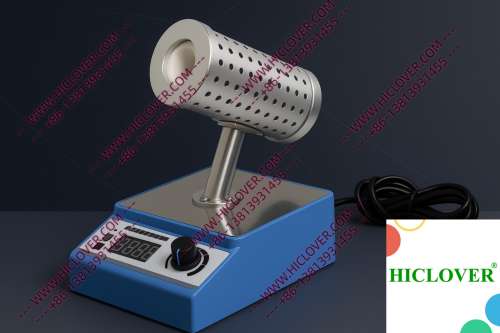
In today’s laboratory environment, proper biosafety management is paramount, especially in the sterilization workflow. The quest for effective sterilization equipment has led laboratories to seek methods that maximize efficiency while minimizing risk. Traditional methods, such as alcohol lamps and Bunsen burners, have inherent drawbacks like open flames, which can pose significant safety hazards in cleanroom settings and when working in biosafety cabinets. Enter the Micro Incinerator, a compact yet powerful piece of lab equipment designed to elevate sterilization practices.
The Technical Principles Behind Micro Incinerators
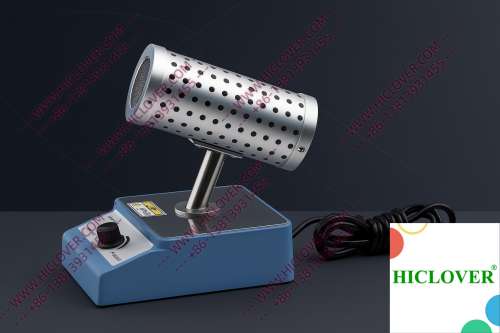
The Micro Incinerator, or Infrared Inoculating Loop Sterilizer, operates using rapid thermal sterilization principles through infrared heating. This device typically features an enclosed ceramic tube that generates high temperatures in mere seconds, allowing for quick sterilization of inoculating loops and other small instruments. Unlike traditional flame sterilizers, which can create unwanted byproducts and require a longer cooldown period, the Micro Incinerator provides a clean, controlled, and efficient solution for contamination prevention.
Applications of Micro Incinerators in Laboratory Settings
1. Biosafety Cabinet Operations
In BSL-2 and BSL-3 microbiology labs, maintaining a contamination-free environment is crucial. The Micro Incinerator fits perfectly within a biosafety cabinet, allowing researchers to sterilize tools without the risk of aerosols that flame sterilizers can create. With its efficient hot ceramic tube, laboratory technicians can quickly sterilize inoculating loops, minimizing turnaround time while maintaining safety protocols. Moreover, being flame-free aligns perfectly with the strict airflow dynamics within a biosafety cabinet, ensuring compliance with stringent guidelines.
2. Teaching Laboratories
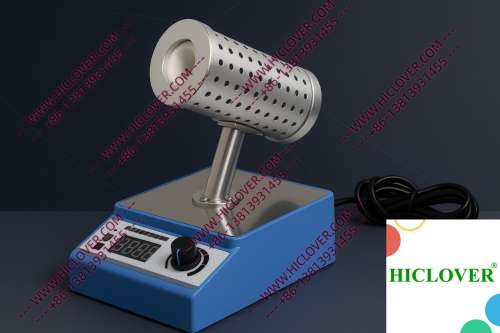
In academic settings, particularly university teaching labs, the use of the Micro Incinerator provides an ideal solution for practical training sessions. Students can observe and practice inoculation techniques without the typical hazards associated with open flames. Instead of worrying about accidental fires or burns, educators can focus on fostering an environment conducive to learning, giving students their first hands-on experience with high-temperature sterilization in a controlled manner. This not only enhances safety but also improves the learning experience.
Biosafety Compliance and Environmental Considerations
Compliance with biosafety standards is non-negotiable in laboratories. The World Health Organization (WHO) provides clear guidelines on laboratory safety practices, and the Micro Incinerator aligns with these standards by eliminating open flames, which are prohibited in cleanrooms. The absence of combustion eliminates the risk of smoke and vapors that could interfere with experiments and potentially affect sensitive equipment. Furthermore, the device is designed for low environmental impact, minimizing energy consumption while maximizing effective disinfection.
Comparison of Micro Incinerator and Traditional Flame Sterilizers
| Feature | Micro Incinerator | Flame Sterilizers |
|---|---|---|
| Temperature Regulation | Constant, controllable | Variable, dependent on user |
| Safety | Flame-free, reduces fire risk | Open flame, higher risk |
| Cleanroom Compatibility | Yes | No |
| Speed of Sterilization | Instantaneous | Longer due to flame adjustment |
| Maintenance | Low | Higher due to soot production |
Frequently Asked Questions
- What is a Micro Incinerator used for? The Micro Incinerator is used for quick sterilization of laboratory instruments such as inoculating loops and needles while ensuring safety in a laboratory environment.
- How does infrared sterilization compare to flame sterilization? Infrared sterilization offers controllability, speed, and safety, making it a preferred choice in sensitive environments compared to traditional flame sterilization methods.
- Can I use a Micro Incinerator in a BSL-3 lab? Yes, the Micro Incinerator is entirely compliant with BSL-3 requirements, allowing for effective use in high-containment laboratories.
- What are the environmental benefits of using a Micro Incinerator? The Micro Incinerator consumes less energy and eliminates harmful byproducts, contributing to a cleaner laboratory environment.
- Do I need special training to operate a Micro Incinerator? While user-friendly, basic training on sterilization protocols and equipment handling is recommended for optimal safety and effectiveness.
Conclusion
The Micro Incinerator stands out as a groundbreaking solution for modern laboratory sterilization needs. Its compact design, rapid thermal sterilization capabilities, and adherence to safety standards make it an essential tool in various laboratory settings, from clinical diagnostics to educational institutions. Embrace the future of sterilization—contact us today to explore how our Micro Incinerators can optimize your laboratory workflow and safety procedures.
Categories:
Tags: