
Laboratories around the world, whether they are involved in cutting-edge research or everyday clinical diagnostics, face a constant challenge: maintaining aseptic conditions. From bacterial cultures in BSL-2 laboratories to diagnostic tests in hospital settings, the need for efficient and reliable sterilization is paramount. Traditional flaming methods like alcohol lamps and Bunsen burners, while widely used, often present safety issues, inconsistent heat application, and risks of contamination. Enter the Micro Incinerator, or Infrared Inoculating Loop Sterilizer, a compact yet highly effective solution that is revolutionizing laboratory sterilization.
Technical Principles of Micro Incinerators
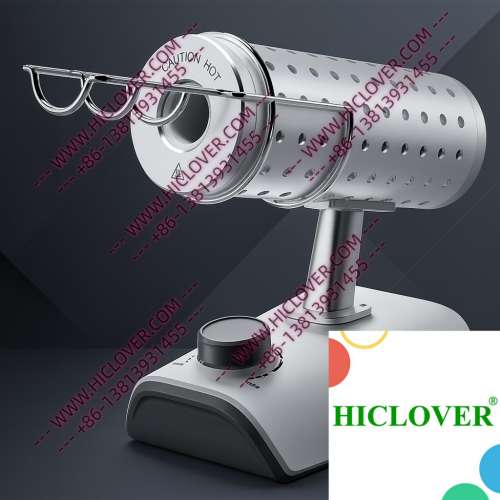
Micro Incinerators utilize infrared heat to achieve rapid thermal sterilization. The design typically features an enclosed ceramic heating chamber, which ensures even distribution of high temperatures without exposing the operator or the workspace to flames. This design not only enhances safety but also controls the potential for aerosol generation, making it ideal for clean benches and biosafety cabinets. With a maximum operating temperature that can reach upwards of 800°C, these devices provide a swift and effective means of disinfection.
Advantages Over Traditional Flame Sterilizers
- Enhanced Safety: No open flames reduce the risk of fire hazards and injuries.
- Consistent Temperatures: Infrared sterilization ensures uniform heating, eliminating cold spots.
- Clean Operation: Aerosols are minimized, which is essential for maintaining sterile environments.
- Compact Design: Micro Incinerators save valuable bench space compared to larger sterilizers.
The transition from flame-based sterilization to infrared technology represents a critical leap in contamination control and overall lab safety. In environments where biosafety is crucial, such as BSL-3 microbiology labs, the it is especially important to adopt equipment that supports stringent aseptic techniques.
Application Scenarios in Real Labs
Biosafety Cabinet Operations
In a BSL-2 laboratory environment, researchers handle various pathogens that require strict compliance with biohazard safety protocols. Here, Micro Incinerators serve as the primary sterilization tool for inoculating loops and other laboratory instruments used during experimentation. Placed within the biosafety cabinet, the incinerator allows for quick sterilization without compromising the sterile environment, significantly reducing the risk of cross-contamination.
Teaching Laboratories
University teaching labs often require reliable and efficient sterilization opportunities for students learning microbiological techniques. By integrating Micro Incinerators, educational institutions can foster safety awareness among students while minimizing the risks commonly associated with traditional flame sterilizers. This modern approach not only enhances learning outcomes but also prepares students for future laboratory work in clinical settings.
Compliance and Environmental Considerations
When operating within a laboratory setting, compliance with international and regional biosafety guidelines is essential. The World Health Organization (WHO) provides strict guidelines regarding lab sterilization practices to prevent infection and cross-contaminations. Furthermore, regulations often specify the absence of flames in clean rooms to prevent any potential contamination and explosions.
Countries such as Germany and Canada have stringent sterilization standards that necessitate transitioning away from traditional flame sterilizers, thereby promoting the use of technology like Micro Incinerators. Their compact, flame-free operation not only facilitates compliance with these regulations but also ensures a cleaner and safer working environment.
FAQs About Micro Incinerators
1. How does a Micro Incinerator differ from a traditional Bunsen burner?
A Micro Incinerator uses infrared heat to provide rapid sterilization and is designed to operate without open flames, making it safer and more efficient than traditional Bunsen burners which can generate hazardous aerosols.
2. What types of laboratories benefit from utilizing Micro Incinerators?
Biosafety labs, clinical diagnostics facilities, teaching laboratories, and mobile or field-testing labs can greatly benefit from the aseptic conditions achieved by Micro Incinerators.
3. Are Micro Incinerators compliant with global biosafety standards?
Yes, Micro Incinerators are designed to comply with various international biosafety standards, including those set by the WHO, making them suitable for sensitive laboratory environments.
4. Can Micro Incinerators be used for the sterilization of multiple instruments?
Yes, Micro Incinerators can effectively sterilize various laboratory instruments like inoculating loops, needles, and other small tools quickly and reliably.
5. What is the average lifespan of a Micro Incinerator?
With proper care and maintenance, a Micro Incinerator can last for many years, ensuring consistent performance throughout its lifespan.
Comparative Overview: Micro Incinerators vs. Traditional Flame Sterilizers
| Feature | Micro Incinerator | Flame Sterilizers |
|---|---|---|
| Safety | No open flame, lower risk of fire | Open flame, higher risk of fire |
| Temperature Control | Uniform infrared heating | Inconsistent, prone to cold spots |
| Aerosol Generation | Minimal aerosol production | Higher risk of aerosols |
| Portability | Compact, easy to use in various settings | Bulky, less portable |
Conclusion
Micro Incinerators have emerged as indispensable tools for laboratories focused on maintaining stringent aseptic conditions. They not only improve operational efficiency but also enhance safety and compliance with biosafety standards. As laboratories continue to evolve and adapt to new challenges, incorporating advanced sterilization technologies will become crucial. For more information on how the Micro Incinerator can transform your sterilization workflow and to make a purchase inquiry, please contact your local distributor or authorized supplier today.
Categories:
Tags: