
As laboratories across the globe face increasingly stringent biosafety challenges, the need for effective and sustainable medical waste management solutions becomes more urgent. With the rise of research demands and the continuous threat of contamination, the sterilization workflow must evolve. Enter Micro Incinerators, specifically the Infrared Inoculating Loop Sterilizer. This small but powerful device offers a revolutionary approach to laboratory sterilization, combining rapid thermal sterilization with user-friendly design.
The Technical Principles of Micro Incinerators
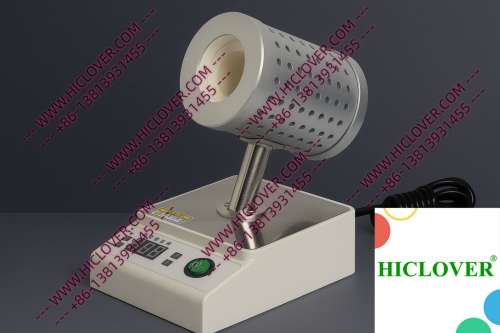
The Infrared Inoculating Loop Sterilizer operates on the principle of infrared heat, utilizing a ceramic heating chamber that ensures even and efficient sterilization. Unlike traditional flame-based sterilization methods, which can introduce hazards and are less controlled, micro incinerators provide a clean-bench-safe solution that minimizes aerosol generation during sterilization tasks.
The design features an enclosed ceramic tube that reaches high temperatures, enabling high-temperature disinfection in mere seconds. With portability and compact dimensions, this remarkable device can operate in various environments, making it ideal for laboratory workflows or mobile applications.
Applications in Real Labs
- Biosafety Cabinet Operations: Laboratories dealing with BSL-2 or BSL-3 pathogens benefit immensely from using micro incinerators. By providing a rapid solution for sterilizing inoculating loops and other small tools, these devices eliminate the risks associated with traditional flame sterilizers, ensuring a clean and safe working environment.
- Field Testing Laboratories: In mobile testing environments, such as in remote diagnostic setups, the compact and efficient nature of the infrared sterilizer allows for immediate sterilization of equipment, maintaining high contamination control while supporting urgent fieldwork needs.
- University Teaching Labs: Educational institutions increasingly integrate micro incinerators into their laboratories. They serve as effective training tools for students, demonstrating advanced biocontainment practices and reliable sterilization workflows in a way that flame-based devices simply cannot.
Compliance and Environmental Considerations
Adhering to international guidelines, such as WHO biosafety standards and lab sterilization regulations, is paramount. Traditional sterilization methods often produce excess heat and combustion byproducts, posing risks in clean rooms and sensitive environments. Micro incinerators stand apart by offering a flameless option that aligns perfectly with clean-room requirements, as they eliminate open flames and reduce the risk of fire hazards.
Furthermore, micro incinerators contribute to sustainable waste management, making them an environmentally friendly choice. Their energy efficiency and minimal waste generation align with modern laboratory practices aimed at reducing the ecological footprint.
Advantages Over Traditional Flame Sterilizers
Below is a comparison table highlighting the advantages of micro incinerators over traditional flame sterilization methods:
| Feature | Micro Incinerator | Traditional Flame Burners |
|---|---|---|
| Heat Source | Infrared heating | Open flame |
| Safety | Flameless, aerosol-free | Fire hazards, aerosol production |
| Efficiency | Rapid sterilization | Variable heating times |
| Portability | Compact and lightweight | Bulky, requires stable surfaces |
| Environmental Impact | Energy-efficient | Higher carbon emissions due to combustion |
FAQs About Micro Incinerators
1. What are the key benefits of using a micro incinerator for sterilization?
Micro incinerators provide rapid thermal sterilization, enhance safety by reducing aerosol production, and are compact and user-friendly for various laboratory environments.
2. Can micro incinerators be used in BSL-3 laboratories?
Yes, micro incinerators are suitable for BSL-3 laboratories as they offer effective sterilization while maintaining biosafety standards.
3. How does the infrared sterilization process work?
The infrared sterilization process utilizes a ceramic heating chamber to produce high temperatures rapidly, allowing for near-instant disinfection of inoculating loops and other small instruments.
4. Are micro incinerators compliant with lab safety standards?
Yes, micro incinerators comply with WHO biosafety standards and laboratory sterilization regulations, making them an ideal choice for safe laboratory environments.
5. What makes micro incinerators a sustainable option for labs?
Micro incinerators use less energy than traditional flame sterilizers and produce less waste, aligning with sustainability goals in laboratory practices.
Conclusion
The integration of micro incinerators into laboratory operations signals a major advancement in the quest for efficient, safe, and sustainable medical waste management. As facilities increasingly aim to enhance biosafety and sterilization workflows, investing in these powerful devices becomes essential. For more information or to discuss purchasing options, reach out today and discover how micro incinerators can elevate your laboratory’s performance.
Categories:
Tags: