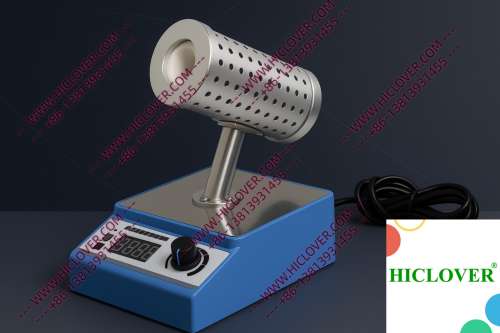
In the increasingly demanding world of laboratory biosafety, effective sterilization has never been more crucial. Laboratory personnel face numerous challenges, from preventing contamination to ensuring reproductive accuracy of experimental results. Traditional sterilization methods such as Bunsen burners and alcohol lamps, while widely used, come with their own risks and inefficiencies. This is where energy-saving micro incinerators, particularly the infrared inoculating loop sterilizer, emerge as essential tools for modern laboratories.
Understanding the Technical Principles
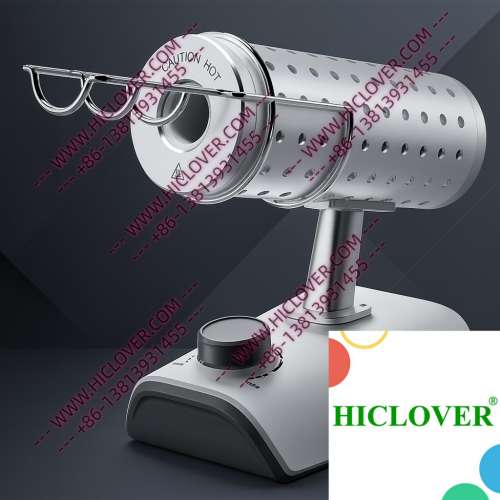
The micro incinerator is built on the principle of rapid thermal sterilization through infrared heat. Instead of applying a flame, which can produce harmful aerosols and is unsuitable in sterile environments, these devices utilize a high-temperature ceramic tube that intensifies heat transfer. The enclosed ceramic heating chamber reaches temperatures sufficient for effective sterilization quickly and efficiently, avoiding the risks associated with open flames.
This infrared sterilization method allows for precise control and minimized energy consumption, making it a sustainable choice for laboratories focused on sustainability and risk reduction. The compact design of micro incinerators also enhances their appeal, as they can fit seamlessly into existing laboratory workflows and environments without occupying excessive space.
Application Scenarios in Real Labs
1. Biosafety Cabinets
In BSL-2 and BSL-3 microbiology labs, maintaining sterile conditions is paramount. Micro incinerators are increasingly employed within biosafety cabinets to sterilize inoculating loops, needles, and other tools without compromising the controlled environment. Their rapid heating capability allows for quick turnovers between samples, significantly enhancing workflow efficiency while protecting laboratory personnel from exposure to hazardous pathogens.
2. Field Testing Laboratories
Field testing often occurs in environments where traditional sterilization methods may not be feasible. Portable micro incinerators designed for easy transport enable scientific teams to work in remote areas without sacrificing safety or compliance with biosafety protocols. In these scenarios, micro incinerators offer quick sterilization of sampling equipment, ensuring accurate and reliable data collection in varied environments.
Compliance and Environmental Considerations
Regulatory standards set by the World Health Organization (WHO) and various environmental safety protocols place increasing emphasis on safe and effective sterilization practices. Laboratories are required to comply with stringent biosafety regulations that aim to reduce contamination risks and protect both personnel and the environment.
Utilizing micro incinerators aligns with these compliance requirements. They do not produce harmful emissions or aerosols associated with open flames, making them ideal for cleanroom and high-containment applications. Additionally, their energy-efficient design not only meets operational needs but also contributes to sustainable laboratory practices.
Micro Incinerator vs. Traditional Flame Sterilizers
| Feature | Micro Incinerator | Flame Sterilizers (Bunsen Burners, Alcohol Lamps) |
|---|---|---|
| Energy Efficiency | High | Moderate |
| Risk of Contamination | Minimized | Higher due to aerosol generation |
| Temperature Control | Precise | Variable |
| Sustainability | Environmentally friendly | Less sustainable |
| Portable Design | Yes | Variable |
Frequently Asked Questions
- What is a micro incinerator, and how does it work?
A micro incinerator utilizes infrared heat within a ceramic tube to achieve rapid thermal sterilization, offering a safe alternative to traditional flame-based methods. - Can a micro incinerator be used in a biosafety cabinet?
Yes, it is designed to operate safely within biosafety cabinets to maintain sterile conditions during microbiological procedures. - What environments are suitable for using a micro incinerator?
This device can be employed in university teaching labs, clinical diagnostics, and field testing environments, providing flexibility for various applications. - Is a micro incinerator compliant with laboratory safety standards?
Yes, it meets WHO biosafety regulations and is suitable for use in cleanroom environments, mitigating the risks associated with flame sterilizers. - What are the advantages of micro incinerators over traditional sterilizers?
Micro incinerators offer efficient energy usage, precise sterilization, and a reduced risk of contamination, making them ideal for high-standards laboratory environments.
Conclusion
The rise of energy-saving micro incinerators represents a significant shift in laboratory sterilization practices. These devices not only meet rigorous biosafety standards but also streamline workflows and reduce contamination risks. If you’re looking to enhance the safety and efficiency of your laboratory by incorporating modern sterilization technology, consider investing in a micro incinerator today. For inquiries or purchasing information, feel free to reach out, and let us help you elevate your laboratory’s sterilization protocols!
Categories:
Tags: