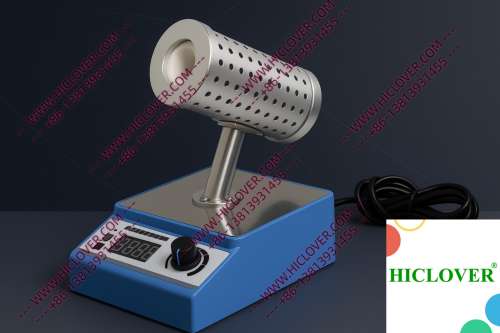
Laboratory sterilization has become paramount in ensuring biosafety and contaminant control, especially in a vibrant scientific community like Melbourne. As laboratory challenges evolve, so do the demands for sterilization workflows that adhere to stringent biosafety protocols. Enter the micro incinerator, a game-changer for efficient sterilization, particularly suited for various laboratory environments, including clinical diagnostics, teaching labs, and field testing.
Understanding Micro Incinerators
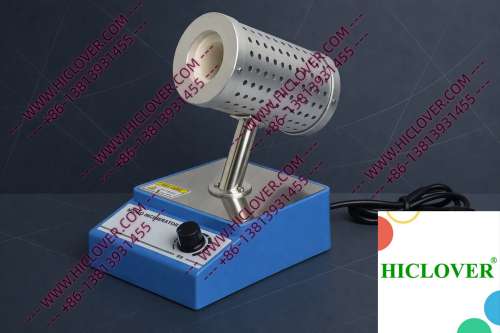
Micro incinerators, such as the Infrared Inoculating Loop Sterilizer, utilize advanced infrared heat technology to provide rapid thermal sterilization. Unlike conventional methods that involve flame, micro incinerators use an enclosed ceramic tube designed for uniform heat distribution. This not only ensures thorough sterilization but also eliminates the risk associated with open flames, making them ideal for clean-room scenarios.
Technical Principles of Micro Incinerators
The operation of a micro incinerator is based on infrared high-temperature disinfection, enabling the equipment to achieve sterilization temperatures quickly—typically exceeding 800°C. This rapid and efficient heating process effectively reduces the formation of aerosols, addressing one of the critical biosafety concerns in microbiology labs.
The design features an easy-to-use interface, robust construction, and minimal maintenance requirements. The lightweight configuration enhances portability, allowing labs to adapt to various settings, be it a university teaching lab or an outdoor research field.
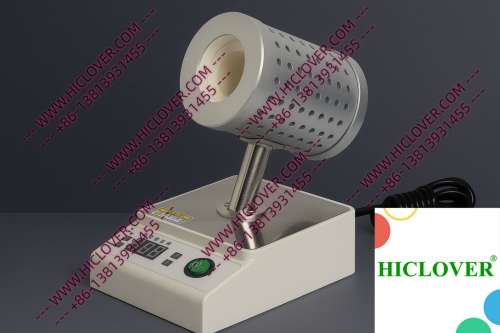
Comparative Benefits over Traditional Flame Sterilizers
| Feature | Micro Incinerator | Flame Sterilizers (e.g., Bunsen Burners) |
|---|---|---|
| Safety | Flame-free operation, reducing fire hazards | Open flame, posing burn risks |
| Efficiency | Rapid sterilization, almost instant readiness | Longer warm-up and cooling periods |
| Contamination Control | Aerosol-free handling, ideal for open environments | May create aerosols, risking contamination |
| Usage Flexibility | Portable, versatile across different environments | Limited to fixed setups due to fuel supply |
Applications in Real-World Laboratory Settings
1. University Teaching Laboratories
In educational environments, micro incinerators are transforming the teaching of microbiology. Students conduct experiments in a safe and sterile manner without the dangers associated with flame sterilizers. The use of infrared inoculating loop sterilizers allows for seamless integration into laboratory curricula, ensuring students understand best practices in sterilization and contamination control.
2. Field Testing Laboratories
Field researchers conducting on-site experiments benefit from the portability of micro incinerators. These devices allow for rapid sterilization of inoculating loops and tools while minimizing exposure to contaminants. In scenarios where biosafety is paramount, such as in BSL-2 and BSL-3 microbiology labs, the enclosed design protects users and the environment while ensuring the integrity of collected samples.
Compliance and Environment Standards
Micro incinerators align with international biosafety standards set forth by the World Health Organization (WHO) and established sterilization protocols. Their design prioritizes compliance with laboratory sterilization standards, making them ideal for use in clean rooms where open flames are prohibited. Users can operate these devices while confidently adhering to regulations, thereby bolstering their commitment to operational safety and efficiency.
Frequently Asked Questions
- What is the main advantage of using a micro incinerator over traditional sterilization methods?
Micro incinerators provide faster and safer sterilization without producing aerosols, making them suitable for sensitive laboratory environments. - Can a micro incinerator be used in a BSL-3 laboratory?
Yes, micro incinerators are designed to meet the safety and compliance requirements of BSL-3 laboratories. - How long does it take to achieve sterilization with a micro incinerator?
Typically, micro incinerators reach sterilization temperatures almost instantaneously, significantly reducing downtime compared to flame sterilizers. - Are micro incinerators portable for field use?
Absolutely! Their lightweight and compact design makes them ideal for field testing and mobile laboratory setups. - How do micro incinerators ensure user safety?
By utilizing enclosed infrared heating, micro incinerators eliminate risks associated with open flames, enhancing both user and environment safety.
Conclusion
In conclusion, the emergence of micro incinerators like the Infrared Inoculating Loop Sterilizer signifies a new era in laboratory safety and efficiency. Their compact design, rapid thermal sterilization capabilities, and adherence to stringent biosafety standards make these devices indispensable across various laboratory settings in Melbourne and beyond. If you are looking to enhance your laboratory’s sterilization capabilities, consider investing in micro incinerators that will redefine how you approach biosafety and safety compliance.
If you have any inquiries or wish to make a purchase, feel free to contact us today!
Categories:
Tags: