
In today’s rapidly advancing laboratory environments, ensuring the highest standards of biosafety and sterilization remains a paramount challenge. Laboratories dealing with microorganisms or tissue cultures often grapple with rigorous sterilization workflow demands, where traditional methods may fall short. Micro Incinerators, particularly the innovative Micro Incinerator / Infrared Inoculating Loop Sterilizer, emerge as a revolutionary solution designed not just for efficiency but also for promoting sustainability within environmental policies like those in Brazil.
Understanding the Technology Behind Micro Incinerators
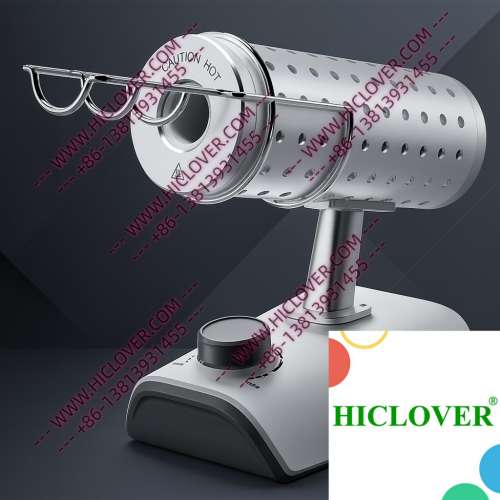
Micro Incinerators utilize a cutting-edge technical principle that hinges on rapid thermal sterilization through infrared heat. At the core of this technology lies a ceramic heating chamber, uniquely designed to reach high temperatures that effectively sterilize inoculating loops and other laboratory tools in mere seconds.
The enclosed ceramic tube ensures that the sterilization occurs in a controlled environment, minimizing aerosol generation and eliminating the risks that come with traditional flame-based methods, such as alcohol lamps and Bunsen burners. This innovative design not only guarantees thorough sterilization but also adheres to best practices in contamination control, crucial in BSL-2 and BSL-3 microbiology labs.
Applications of Micro Incinerators in Real Labs
1. Field Testing Labs
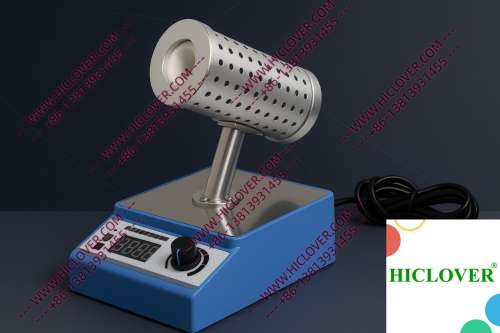
In mobile or field testing labs, particularly in Brazil’s diverse ecosystems, rapid and effective sterilization is essential. Researchers who collect samples from natural habitats must ensure that their equipment, such as inoculating loops, remain sterile to prevent cross-contamination. The Micro Incinerator provides this capability without the necessity of electric power sources, as many models are portable and can operate on battery power. This flexibility allows scientists to operate in remote locations, adhering to stringent sterilization requirements.
2. University Teaching Labs
In educational settings, particularly in university teaching labs, the Micro Incinerator is invaluable. It introduces students to advanced sterilization techniques while reinforcing the principles of biosafety. Unlike traditional flame sterilizers that require extensive training to operate safely, these infrared sterilizers are user-friendly and safe, allowing students to focus on learning microbiological techniques without the need for cumbersome safety protocols associated with open flames.
Compliance and Environmental Considerations
Compliance with international biosafety standards is non-negotiable in laboratory settings. The World Health Organization (WHO) outlines biosafety levels that labs must adhere to, particularly when working with pathogenic microorganisms. Unlike flame sterilizers, which can produce harmful aerosols and create fire hazards in cleanroom environments, Micro Incinerators offer a safe, flame-free alternative that meets WHO regulations and local environmental policies effectively.
In Brazil, the push for sustainable laboratory practices aligns seamlessly with the introduction of micro incinerators. These devices not only enhance lab safety but also contribute to reducing carbon footprints associated with traditional sterilization methods. As labs move towards greener equipment, micro incinerators stand at the forefront of this transition.
Advantages of Micro Incinerators Over Traditional Flame Sterilizers
When comparing Micro Incinerators with traditional flame sterilizers, several advantages stand out:
| Feature | Micro Incinerator | Flame Sterilizer |
|---|---|---|
| Heat Source | Infrared | Open flame |
| Control | Enclosed system | Uncontrolled environment |
| Safety | Flame-free operation | Fire hazards |
| Speed of Sterilization | Seconds | Variable |
| Aerosol Generation | Minimal | High |
Frequently Asked Questions
- What materials can be sterilized using a Micro Incinerator?
Micro Incinerators are suitable for sterilizing metal inoculating loops, needles, and other heat-resistant laboratory tools. - How does infrared sterilization work in a Micro Incinerator?
The device utilizes infrared heat to achieve rapid thermal sterilization, which is efficient and minimizes contamination risks. - Are Micro Incinerators compliant with international biosafety standards?
Yes, they comply with WHO biosafety standards, making them ideal for various laboratory settings. - Can Micro Incinerators be used in fieldwork?
Absolutely! Many models are portable and can operate in remote locations where traditional power sources may not be available. - What are the safety benefits of using a Micro Incinerator over traditional sterilizers?
Micro Incinerators eliminate fire hazards and aerosol generation, thus ensuring a safer working environment in laboratories and teaching settings.
Conclusion
With the pressing need for effective sterilization in laboratories and strict compliance with environmental policies, micro incinerators like the Micro Incinerator / Infrared Inoculating Loop Sterilizer are transforming laboratory operations in Brazil and beyond. Their safety, efficiency, and compliance make them an essential investment for laboratories aiming to enhance workflow and maintain high standards of biosafety.
If you’re considering upgrading your laboratory sterilization equipment, contact us today to explore our range of innovative Micro Incinerators designed for modern lab demands.
Categories:
Tags: