
In modern laboratory environments, biosafety is paramount. Laboratories, particularly those operating under BSL-2 and BSL-3 standards, face ongoing challenges in maintaining sterile conditions while efficiently managing potential contaminants. Traditional sterilization methods, such as alcohol lamps and Bunsen burners, often suffer from inconsistencies and pose risks of cross-contamination. The introduction of micro incinerators, notably the Micro Incinerator / Infrared Inoculating Loop Sterilizer, is reshaping the landscape of laboratory sterilization, driving improvements in both safety and efficiency.
Technical Principles of Micro Incinerators
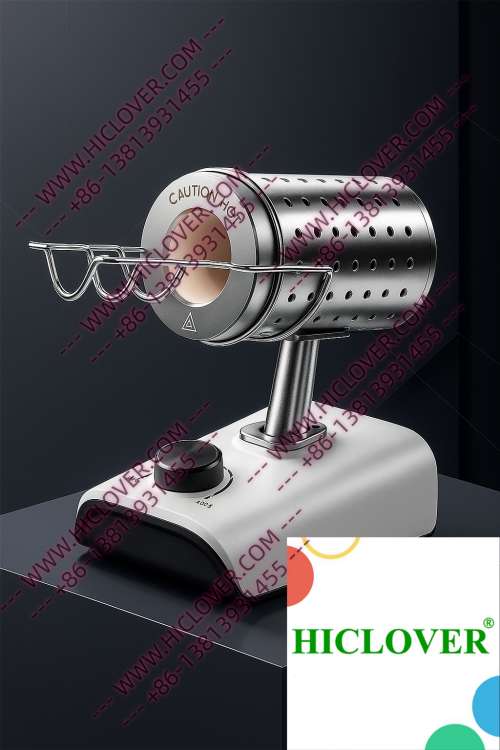
Micro incinerators leverage infrared technology to deliver rapid thermal sterilization, effectively eliminating biological hazards without the drawbacks of flame-based methods. These devices typically feature an enclosed ceramic heating chamber, where infrared heat generates high temperatures to achieve effective disinfection. Unlike open flames, this technology allows for accurate temperature control and minimizes the risk of introducing aerosols into the laboratory space.
- Rapid Thermal Sterilization: Achieves sterilization in a matter of seconds.
- Enclosed Ceramic Tube: Offers a clean and safe heating environment.
- Aerosol-free Handling: Reduces the risk of airborne pathogens.
Applications in Real Laboratories
Micro incinerators are versatile tools that find applications across various laboratory settings. Here are two compelling scenarios:
- Biosafety Cabinets: In BSL-2 and BSL-3 laboratories, where the handling of pathogenic microorganisms is routine, micro incinerators are invaluable. They can be integrated into biosafety cabinets, ensuring that all inoculating loops and tools are sterilized without risking contamination through flame exposure. Their compact size allows for easy installation within tight workspaces.
- Field Testing: Mobile testing units often face limitations due to traditional sterilization methods that require portable fuels. Micro incinerators provide a reliable solution, offering efficient sterilization right on site, especially in rural or field-testing scenarios where access to power may be limited.
Compliance and Environmental Considerations
Compliance with global biosafety standards is critical for laboratory operations, and micro incinerators align with numerous guidelines set by organizations like WHO. In the context of laboratory sterilization, the absence of flames is particularly advantageous, as it adheres to the best practices for clean rooms.
Biosafety Compliance: Micro incinerators eliminate the risk of flame- ignited contamination in sensitive environments, ensuring that laboratories meet stringent guidelines.
Furthermore, traditional flame sterilizers often contribute to hazardous emissions and impacts on the environment. In contrast, micro incineration technology presents a cleaner alternative that supports eco-friendly practices in waste management by minimizing emissions from burnt materials.
Comparative Advantages of Micro Incinerators
| Feature | Micro Incinerator | Flame Burners |
|---|---|---|
| Temperature Control | Accurate thermal regulation | Variable, often unstable |
| Contamination Risk | Aerosol-free handling | Potential for cross-contamination |
| Operational Safety | Flame-free design | Fire hazard present |
| Efficiency | Rapid sterilization time | Longer waiting periods |
Frequently Asked Questions
1. How does a micro incinerator work?
A micro incinerator utilizes infrared heating technology that quickly reaches high temperatures to sterilize tools and inoculating loops within a closed ceramic chamber.
2. Can micro incinerators be used in teaching labs?
Absolutely! They provide a safe and effective method for sterilization during practical lessons, ensuring students can work without risking contamination.
3. What safety measures should be taken when using micro incinerators?
While micro incinerators are inherently safer than traditional flame sterilizers, users should still follow manufacturer guidelines and wear appropriate personal protective equipment (PPE).
4. Are micro incinerators suitable for field testing environments?
Yes, their portability and independent operation allow for effective sterilization in a variety of settings, including remote field testing scenarios.
5. How do micro incinerators support environmental best practices?
By minimizing airborne pathogens and eliminating fire-related emissions, micro incinerators align with sustainable practices in sterilization and waste management.
Conclusion
The rise of micro incinerators marks a significant shift in the approach to sterilization in laboratories across India and beyond. Their unique abilities to provide rapid, efficient, and safe sterilization make them an essential asset in any modern lab workflow. Whether you are managing a BSL-2 microbiology lab, engaging in clinical diagnostics, or conducting university teaching practices, consider investing in micro incinerators for optimal performance in **sterilization equipment**. For more information on our range of products or to request a quote, please contact us today.
Categories:
Tags: