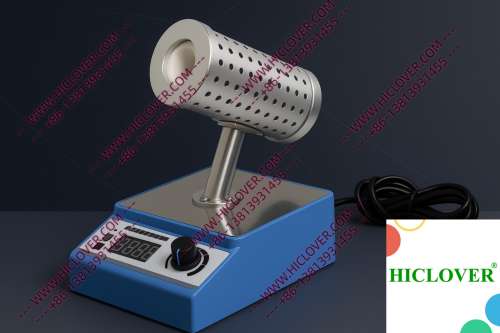
Laboratories face ever-increasing biosafety challenges, particularly in the context of contamination control and sterilization workflow demands. In countries like Mexico, where public health and scientific research are paramount, the effectiveness of sterilization equipment is essential. The adoption of advanced sterilization solutions such as the Micro Incinerator or Infrared Inoculating Loop Sterilizer has emerged as a revolutionary response to the need for rapid thermal sterilization methods that ensure maximum safety and effectiveness.
Understanding Micro Incinerators
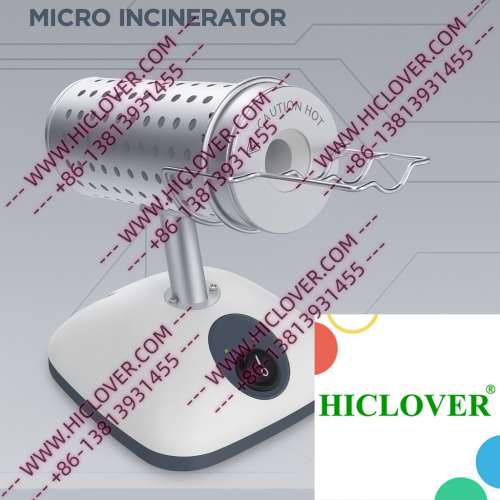
Micro incinerators operate on the principle of infrared heat, generating intense heat via a ceramic heating chamber to achieve high-temperature disinfection. This enclosed ceramic tube allows for efficient thermal sterilization without the harmful fumes associated with traditional flame methods such as Bunsen burners or alcohol lamps. The Infrared Inoculating Loop Sterilizer specifically employs infrared radiation to directly engage the inoculation loop, quickly reaching the requisite temperature to eradicate pathogens.
Comparative Advantages
| Feature | Micro Incinerator | Flame Sterilizers |
|---|---|---|
| Heat Source | Infrared | Open flame |
| Safety | No open flames; reduced risk of aerosol generation | Risk of fire; can produce harmful aerosols |
| Clean Room Compatibility | Yes | No |
| Portability | Compact and lightweight | Less portable |
Application Scenarios in Real Labs
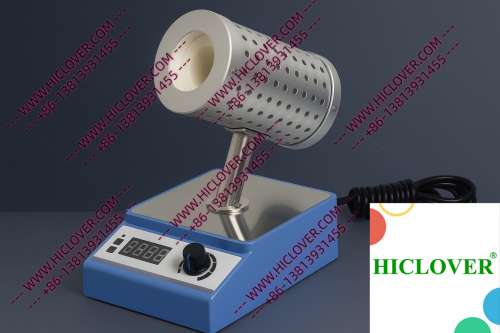
The versatility of micro incinerators is evidenced through their effective application across various laboratory environments:
- Biosafety Cabinets: Micro incinerators are an ideal tool for biosafety level 2 (BSL-2) or level 3 (BSL-3) microbiology labs. They enable technicians to sterilize loops and other instruments safely within the clean confines of biological safety cabinets, significantly enhancing contamination control.
- Teaching Labs: In education settings, these devices serve as excellent instructional tools, highlighting safe sterilization techniques, while helping students understand important biosafety protocols without the hazards associated with open flames.
- Field Testing Labs: For mobile lab environments, especially in field-testing scenarios, the micro incinerator’s portability provides researchers with an efficient sterilization method that is not only effective but also compliant with strict health standards.
Compliance and Environmental Considerations
Adhering to compliance guidelines is critical in lab operations. The World Health Organization (WHO) sets strict biosafety standards that mandate proper sterilization techniques to avoid contamination and ensure public safety. Infrared micro incinerators meet or exceed these laboratory sterilization standards, making them a perfect fit for environments with strict regulations. Moreover, in cleanrooms, where any open flame is detrimental, their flame-free operation reduces contamination risks significantly.
FAQs
1. What is a micro incinerator and how does it work?
A micro incinerator is a sterilization device that uses infrared heat within an enclosed ceramic tube to rapidly and efficiently sterilize instruments, eliminating pathogens without the use of flames.
2. Where can I use a micro incinerator?
Micro incinerators are suitable for various environments, including biosafety cabinets, teaching laboratories, and in-field testing labs where sterility is crucial.
3. What are the safety benefits of using micro incinerators over traditional flame sterilizers?
Micro incinerators reduce the risk of fire hazards, aerosol generation, and contamination, making them safer options for lab technicians and for use in clean environments.
4. Are micro incinerators compliant with lab safety regulations?
Yes, micro incinerators adhere to WHO biosafety standards and are compliant with laboratory sterilization protocols, ensuring maximum safety for users.
5. How does the cost of a micro incinerator compare to traditional sterilization methods?
While the initial investment may be higher compared to traditional flame sterilizers, micro incinerators can lead to long-term cost savings due to their efficiency, safety, and reduced maintenance needs.
Conclusion
In conclusion, the integration of micro incinerators like the Infrared Inoculating Loop Sterilizer into laboratory settings in Mexico not only addresses critical biosafety challenges but also enhances the overall sterilization workflow. Their compact design and high efficiency make them a lasting solution for institutions focused on research excellence and public health safety. For more information about purchasing these essential devices, feel free to reach out to us today and explore how our micro incinerators can fit into your laboratory’s environmental strategy.