
Laboratory biosafety presents unique challenges, especially in environments that prioritize sterilization and contamination control. As Malaysia strides towards sustainable development, leveraging innovative solutions like the Micro Incinerator / Infrared Inoculating Loop Sterilizer has become imperative. This compact yet powerful tool revolutionizes laboratory sterilization workflows, ensuring both efficiency and safety. In this article, we will explore the technical principles, real-world applications, and compliance standards related to this equipment.
Understanding Micro Incinerators
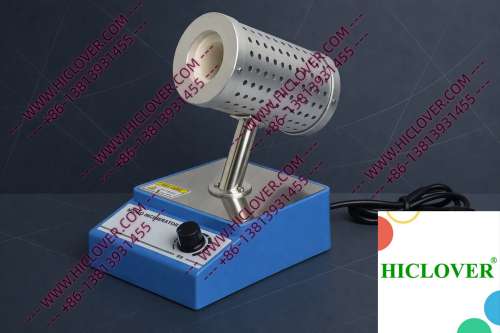
The Micro Incinerator operates based on the principle of rapid thermal sterilization, utilizing infrared heat to achieve high temperatures swiftly. Unlike traditional flame sterilizers—such as alcohol lamps or Bunsen burners—these systems deliver a more consistent and controlled heating experience. Typically configured with an enclosed ceramic tube, the Micro Incinerator minimizes the risk of aerosol generation and contamination during sterilization processes.
This enclosed environment not only offers enhanced safety but also ensures that the sterilization process is efficient and effective across various laboratory settings. By generating heat through infrared radiation, the device eliminates organic materials and microorganisms without the combustion byproducts typically associated with flame-based methods.
Applications in Laboratory Settings
Scenario 1: Teaching Laboratories
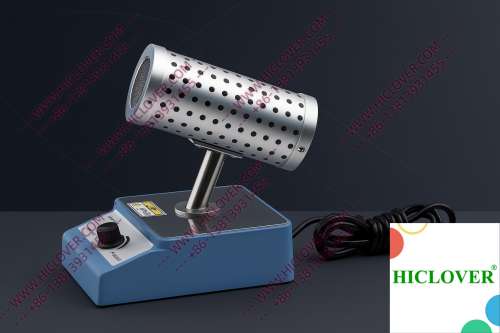
In university teaching labs, the Micro Incinerator serves as a crucial tool for educating future scientists about sterilization techniques. Students can safely practice aseptic techniques while using the device, significantly lowering the risk of cross-contamination and maintaining a safer learning environment. The quick heat-up time and ease of use make it ideal for educational purposes, allowing students to focus on mastering laboratory procedures without worrying about flame hazards.
Scenario 2: BSL-2 Microbiology Laboratories
In Biosafety Level 2 (BSL-2) environments where infectious agents may be present, the Micro Incinerator ensures reliable sterilization of inoculating loops and other microbiological tools. Its use within biosafety cabinets not only aids in reducing contamination risks but also complies with stringent lab safety standards. Utilizing this technology allows researchers to operate securely, fostering an atmosphere of safety and productivity.
Compliance with Biosafety Standards
Adhering to biosafety guidelines, such as those established by the World Health Organization (WHO), is essential for modern laboratories. The Micro Incinerator supports compliance by eliminating pathogens effectively while mitigating the risks associated with open flames. For environments that require no flame in clean rooms, this device is an ideal alternative, providing aerosol-free handling and ensuring that the air quality remains uncontaminated.
Regulatory bodies often emphasize sterilization methods that minimize contaminants. The Micro Incinerator’s design meets these criteria, offering laboratories a reliable solution while contributing to Malaysia’s sustainable development goals by promoting safe laboratory practices.
Advantages Over Traditional Flame Sterilizers
The Micro Incinerator boasts numerous advantages compared to traditional flame sterilizers:
- Controlled Heating: Unlike open flames, infrared heating provides a stable and consistent temperature, leading to effective disinfection.
- Safety: Eliminating open flames significantly reduces the risk of accidental burns and fire hazards.
- Aerosol-Free Handling: The enclosed design minimizes the generation of aerosols, reducing the risk of contamination in sensitive laboratory environments.
- Efficiency: Rapid thermal sterilization saves time, allowing for higher throughput in busy laboratories.
- Environmental Impact: By using infrared technology, energy consumption is optimized, supporting sustainable practices.
| Feature | Micro Incinerator | Flame Sterilizers |
|---|---|---|
| Heating Method | Infrared | Open Flame |
| Contamination Control | High | Moderate |
| Response Time | Rapid | Variable |
| Safety Level | High | Medium |
| Operational Costs | Low | High |
Frequently Asked Questions
1. How does the Micro Incinerator work?
The Micro Incinerator uses infrared heat to rapidly elevate temperatures, sterilizing tools without the risks linked to open flames.
2. Can this equipment be used in BSL-3 laboratories?
Yes, the Micro Incinerator is suitable for BSL-2 and BSL-3 laboratories, providing essential safety and sterilization features.
3. What are the safety advantages of using a Micro Incinerator over a flame sterilizer?
It significantly reduces the risk of burns, fire hazards, and aerosol contamination, making it safer for various lab settings.
4. Is the Micro Incinerator compliant with WHO standards?
Yes, it adheres to WHO biosafety standards by providing effective sterilization solutions without the use of flames.
5. How do I maintain a Micro Incinerator?
Regularly clean the ceramic tube and ensure all components are functioning well to maintain optimum sterilization performance.
Conclusion
The Micro Incinerator / Infrared Inoculating Loop Sterilizer represents a significant advancement in lab sterilization technology, particularly for Malaysia’s growing scientific community. As laboratories aim for higher safety standards while promoting sustainable practices, incorporating these small machines can lead to a significant impact. For more information on how to enhance your laboratory’s sterilization workflow, don’t hesitate to reach out to us today!
Categories:
Tags: