
Laboratories across fields face numerous biosafety challenges, from contamination control to ensuring rapid sterilization workflows. As laboratories evolve, traditional sterilization methods, like Bunsen burners and alcohol lamps, are steadily being replaced by innovative technologies. Among these advancements, the Micro Incinerator or Infrared Inoculating Loop Sterilizer stands out due to its efficiency, safety, and versatility.
Understanding Micro Incineration Technology
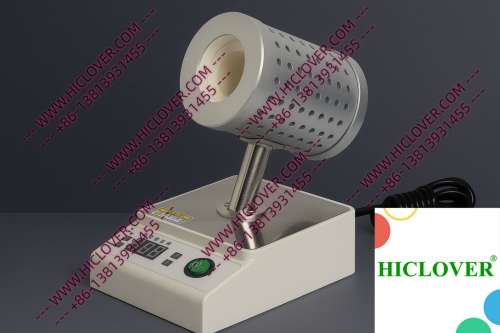
The Micro Incinerator operates on the principle of infrared heat generated within an enclosed ceramic tube. This setup provides rapid thermal sterilization, ensuring that inoculating loops and other small instruments are disinfected within seconds. Unlike traditional sterilizers that may pose contamination risks through open flames or aerosol dispersal, the Micro Incinerator enhances both safety and efficiency in the laboratory environment.
Technical Configuration
A typical Micro Incinerator is characterized by:
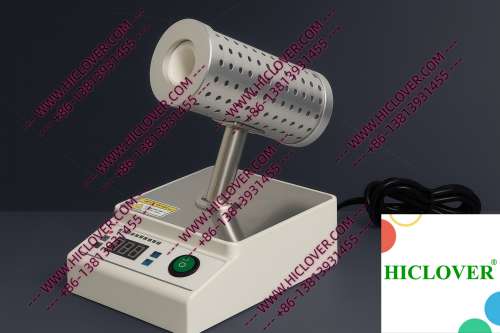
- Ceramic Heating Chamber: This ensures high-temperature disinfection in a contained space, minimizing environmental exposure.
- Infrared Technology: The ability to target specific instruments without heating the surrounding area excessively.
- Compact Design: Its small footprint is ideal for crowded laboratory benches or teaching setups.
- Compliance with laboratory sterilization standards.
- Safety for personnel by minimizing fire hazards.
- Enhanced contamination control.
- Aerosol-free Handling: Unlike Bunsen burners, these sterilizers eliminate the risks associated with aerosol generation, crucial for high-biosafety environments.
- Consistency: Infrared heating allows for reliable and uniform sterilization every time, maintaining standardized procedures.
- Ease of Use: A simple on/off switch simplifies operations, making training less complicated for temporary staff or students in teaching labs.
Application Scenarios in Modern Laboratories
Micro Incinerators find their stride in a variety of laboratory settings. Here are two notable application scenarios:
Biosafety Cabinet Usage
In BSL-2 and BSL-3 microbiology labs, strict containment measures are critical. Using the Micro Incinerator within a biosafety cabinet allows for safe and effective sterilization of inoculating loops without the risk of flame-related accidents or cross-contamination. Technicians can maintain a sterile working environment while rapidly preparing instruments for culturing use.
Field Testing and Mobile Labs
In the realm of field testing, researchers frequently encounter the challenge of maintaining sterile conditions away from traditional laboratory setups. Micro Incinerators are easily transportable, providing field scientists with a reliable method for sterilizing tools on-site. This enhances their ability to perform tests in real-time, supporting rapid response efforts during public health investigations or environmental testing.
Compliance with Biosafety Standards
A crucial aspect of laboratory operations is adhering to biosafety standards. The World Health Organization (WHO) outlines stringent guidelines for lab sterilization, especially in clinical diagnostics and research facilities. The Micro Incinerator complies with these standards by eliminating the need for open flames, which are unsuitable in clean room environments due to their potential to generate aerosols. By utilizing this technology, labs can ensure:
Navigating Market Needs and Lab Workflows
The shift toward micro incineration corresponds with a growing recognition of the need for high-efficiency laboratory equipment throughout Austria and beyond. Customers, including hospital systems, universities, research centers, NGOs, and laboratory supply distributors, are increasingly prioritizing equipment that enhances workflows while ensuring safety and compliance.
Advantages Over Traditional Flame Sterilizers
Micro Incinerators offer numerous advantages compared to traditional flame sterilizers:
| Feature | Micro Incinerator | Flame Sterilizer |
|---|---|---|
| Type of Heating | Infrared | Open Flame |
| Safety | Aerosol-free | Risk of fire |
| Time Efficiency | Seconds | Varies (slower) |
| Maintenance | Low | Medium to High |
Frequently Asked Questions
What is the Micro Incinerator primarily used for?
The Micro Incinerator is primarily used for sterilizing inoculating loops and small instruments in various laboratory settings, including biosafety cabinets and field testing labs.
How does a Micro Incinerator ensure safety in the lab?
By operating without an open flame and utilizing infrared heating, the Micro Incinerator drastically reduces fire hazards and aerosol generation, creating a safer working environment.
Are Micro Incinerators compliant with lab sterilization standards?
Yes, Micro Incinerators comply with WHO biosafety guidelines and other lab sterilization standards, making them ideal for use in clinical and research environments.
Can Micro Incinerators be used in teaching labs?
Absolutely! Their ease of use and safety features make Micro Incinerators highly suitable for university teaching labs where students are learning sterilization techniques.
What regions benefit from adopting Micro Incinerator technology?
Countries like Austria are increasingly adopting Micro Incineration technology, but labs worldwide can benefit from this advanced sterilization solution, especially in urban centers with high laboratory demands.
Conclusion
Embracing small-scale, high-impact technologies like the Micro Incinerator paves the way for safer and more efficient laboratory operations. As we witness a growing commitment to innovative sterilization methods across Austria and beyond, the potential for transforming laboratory workflows enhances. For those looking to upgrade their biosafety protocols, investing in a Micro Incinerator is a step toward a cleaner, safer, and more compliant laboratory environment. To explore more about how this technology can transform your lab, feel free to reach out to our team today!
Categories:
Tags: