
In an era where laboratory biosafety is paramount, the need for effective sterilization methods in Algeria is increasingly critical. Laboratories, whether clinical diagnostic centers, university teaching facilities, or field testing environments, face a myriad of challenges. Contamination control, rapid thermal sterilization, and the necessity for clean-bench-safe operations are some pressing workflow demands where traditional sterilization methods often fall short.
Understanding Micro Incinerators: Technical Principles
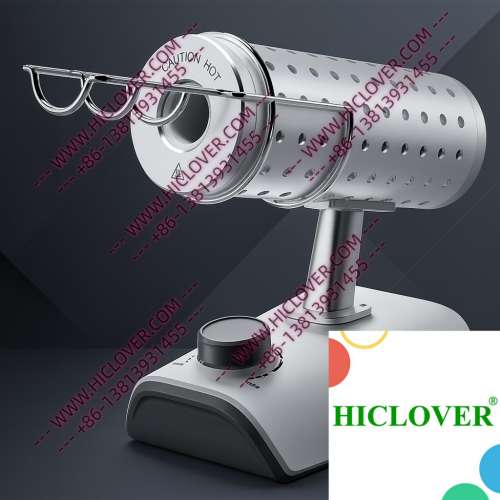
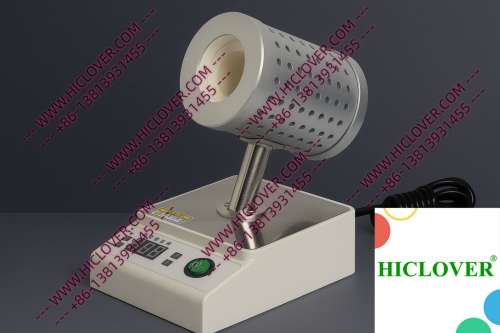
The Micro Incinerator, especially the Infrared Inoculating Loop Sterilizer, revolutionizes laboratory sterilization by applying infrared technology. Unlike conventional sterilizers that rely on open flames, these devices utilize an enclosed ceramic tube that generates infrared heat. This design not only expedites the sterilization process but also enhances safety by eliminating the risks associated with flame use in clean environments.
Key Features of Micro Incinerators
- Rapid Thermal Sterilization: Achieves high temperatures quickly, ensuring efficient displacement of microbial life.
- Aerosol-Free Handling: Minimizes the risk of aerosol generation, crucial in containing pathogenic materials.
- Clean-Bench-Safe: The closed system promotes safety in sterile environments, preventing contamination.
- Compact Design: Ideal for mobile labs or those with limited space, facilitating ease of use.
- Enhanced Safety: Removes the hazards associated with flames, reducing the likelihood of accidental burns or fires.
- Efficiency: Achieves sterilization faster while using less space and energy than bulky flame systems.
- Versatility: Suitable for various laboratory settings, ranging from educational institutions to clinical research facilities.
- What makes the Micro Incinerator different from conventional sterilizers?
The Micro Incinerator utilizes infrared technology for rapid sterilization, eliminating open flames and providing a closed-system design.
- Can Micro Incinerators be used in BSL-3 laboratories?
Yes, Micro Incinerators are designed to meet high biosafety standards, making them suitable for use in BSL-3 labs with proper protocols.
- How do Micro Incinerators improve laboratory safety?
By eliminating flames, they significantly reduce the risk of fire and contamination, promoting a safer working environment.
- Are Micro Incinerators more eco-friendly than flame sterilizers?
Yes, due to their efficient operation and reduced risk of emissions and waste associated with combustion processes.
- What types of materials can be sterilized using Micro Incinerators?
Micro Incinerators are effective for sterilizing inoculating loops, glassware, and other laboratory tools.
Applications in Laboratory Settings
Micro Incinerators find multiple applications across different laboratory settings in Algeria. Here, we explore two notable scenarios:
1. University Teaching Labs
In educational environments, efficient sterilization is critical, not just for safety but also for fostering effective learning. Micro Incinerators are utilized in university microbiology labs, allowing students to practice aseptic techniques with confidence. The rapid thermal sterilization eliminates the fears associated with flames, letting students focus on their experiments without distraction.
2. Clinical Diagnostics in a BSL-2 Environment
The need for stringent biosafety measures in clinical diagnostics cannot be overstated. In BSL-2 labs, the Micro Incinerator provides a reliable sterilization method for inoculating loops and other laboratory tools. Its ability to operate without an open flame is particularly beneficial when working with pathogens that could compromise operator safety.
Compliance and Environmental Considerations
Compliance with international biosafety standards is vital for any laboratory striving for excellence. The World Health Organization (WHO) emphasizes the importance of using safer sterilization methods to protect both laboratory personnel and the environment. Traditional methods, such as alcohol lamps or Bunsen burners, pose risks, particularly in clean rooms where open flames are prohibited. The Micro Incinerator aligns with these regulatory frameworks, helping labs remain compliant while ensuring high standards of safety and efficacy in sterilization processes.
Biosafety Compliance Reference
| Method | Biosafety Compliance | Suitability for Clean Rooms |
|---|---|---|
| Micro Incinerator | Meets WHO and ISO standards | Yes |
| Alcohol Lamps | Potential biosafety risks | No |
| Bunsen Burners | Limited compliance in clean environments | No |
Why Choose Micro Incinerators Over Traditional Flame Sterilizers
The transition from traditional flame sterilizers to Micro Incinerators offers a plethora of advantages:
FAQs on Micro Incinerators
Conclusion
Micro Incinerators represent a forward-thinking approach to sterilization in Algeria’s waste management strategies and laboratory practices. As compliance with biosafety standards becomes increasingly urgent, these devices offer reliable, efficient, and safe alternatives to traditional flame sterilizers. Whether in a BSL-2 lab or a teaching environment, the benefits of adopting Micro Incinerators are clear. Contact us today to explore the exceptional performance and reliability of our Micro Incinerator / Infrared Inoculating Loop Sterilizer. Let’s help you elevate your laboratory practices while ensuring safety and compliance.
Categories:
Tags: