
In the fast-paced world of laboratory sterilization, professionals face a multitude of biosafety challenges. Effective sterilization workflows are paramount to ensure that experiments yield accurate and reliable results, while also maintaining the health of personnel and the integrity of the environment. One innovative solution that has emerged is the Micro Incinerator, particularly the Infrared Inoculating Loop Sterilizer. This small-scale apparatus not only meets stringent sterilization standards but also offers remarkable benefits over traditional flame sterilizers.
Biosafety Challenges and Workflow Demands
Laboratories, especially those working within BSL-2 and BSL-3 microbiology settings, require stringent sterilization protocols to minimize contamination risks. Traditional methods like alcohol lamps and Bunsen burners, while widely used, pose several drawbacks, such as open flames, complex handling requirements, and the potential for aerosolization of infectious agents. These challenges necessitate the adoption of safer, more efficient alternatives that streamline sterilization workflows.
Technical Principles of Micro Incinerators
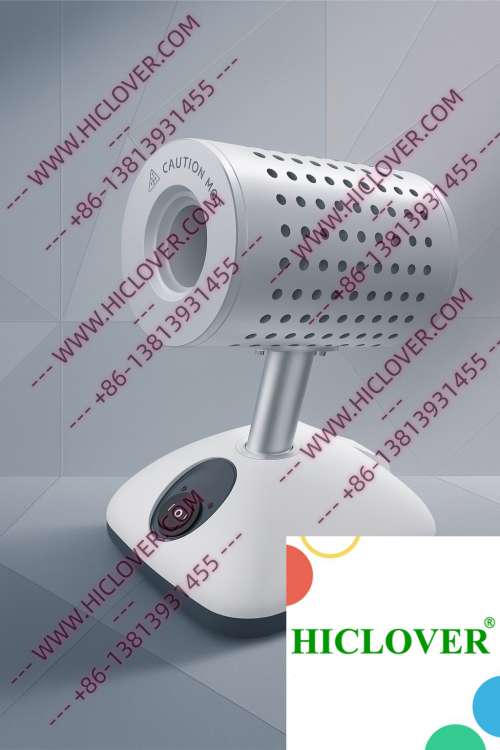
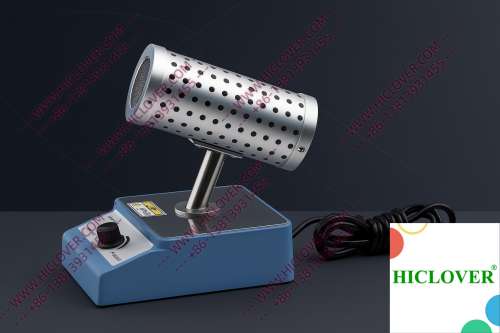
The Micro Incinerator harnesses advanced technology for effective sterilization. Utilizing infrared heat generated by a ceramic heating chamber, the device reaches high temperatures rapidly, achieving thermal sterilization in seconds. The enclosed design ensures a safe environment, free from the risks associated with flammable gases or open flames.
- Enclosed Ceramic Tube: The ceramic tube provides a consistent heat source while protecting users from accidental burns.
- Rapid Thermal Sterilization: Heats up to the sterilization temperature in a fraction of the time compared to traditional methods.
- Aerosol-Free Handling: Eliminates the risk of airborne contaminants during sterilization.
- Portable Design: Compact and lightweight, making it ideal for mobile labs and field testing.
Real-World Applications of Micro Incinerators
The versatility of the Micro Incinerator is reflected in its numerous application scenarios:
1. Biosafety Cabinets
In controlled laboratory environments, the Micro Incinerator is often integrated into biosafety cabinets. This configuration allows researchers to sterilize inoculating loops and other small tools without compromising the sterile environment. The rapid sterilization cycle ensures that workflow remains uninterrupted, allowing for efficient experiments without risk to personnel or samples.
2. University Teaching Labs
In educational settings, particularly in microbiology and biochemistry courses, the Micro Incinerator serves as a critical teaching tool. Instructors can easily demonstrate proper contamination control techniques, ensuring future scientists understand the importance of sterilization. The safety features of the device also alleviate concerns typically associated with flame-based sterilizers during practical lab sessions.
Compliance and Environmental Considerations
As laboratories worldwide strive for compliance with biosafety frameworks such as those set forth by the World Health Organization (WHO), the Micro Incinerator stands out as a compliant solution. The rigorous standards for sterilization in laboratory environments emphasize the need for devices that enhance safety and efficiency without introducing flammable materials into clean rooms. Moreover, utilizing infrared technology greatly reduces the environmental footprint, as it offers a more energy-efficient alternative to traditional flame sterilizers.
Comparative Advantages of Micro Incinerators Over Flame Sterilizers
| Feature | Micro Incinerator | Flame Sterilizers |
|---|---|---|
| Heat Source | Infrared Heat | Open Flame |
| Safety | Aerosol-Free | Risk of Fire and Contamination |
| Speed | Rapid Sterilization | Variable, Slower |
| Environment | Clean-Bench-Safe | Not Suitable for Clean Rooms |
| Portability | Lightweight & Compact | Bulkier & Requires Fuel |
Frequently Asked Questions
1. What is the main advantage of using a Micro Incinerator for sterilization?
The main advantage is the rapid thermal sterilization capability, which eliminates contamination risks without the safety concerns associated with open flames.
2. Can the Micro Incinerator be used in field testing?
Yes, its compact and portable design makes it ideal for mobile labs, ensuring quick sterilization in varied environments.
3. Is the Micro Incinerator compliant with international biosafety standards?
Absolutely, it meets WHO biosafety standards, making it a trusted choice for laboratories focused on maintaining high safety levels.
4. How long does it take to sterilize an inoculating loop?
It typically takes just a few seconds to achieve complete sterilization, ensuring efficient lab workflow.
5. What should I consider when purchasing a Micro Incinerator?
Look for factors such as ease of use, compliance with safety standards, and the specific needs of your laboratory environment.
Conclusion
The Micro Incinerator, particularly the Infrared Inoculating Loop Sterilizer, exemplifies the future of laboratory sterilization equipment. Its compact design, rapid thermal sterilization, and compliance with stringent biosafety standards position it as a crucial tool for hospitals, universities, research centers, and NGOs. If you’re ready to elevate your laboratory’s sterilization capabilities, explore our range of Micro Incinerators and experience the benefits of cutting-edge technology in your sterilization workflow.
Categories:
Tags: