
In the realm of laboratory biosafety, maintaining meticulous sterilization protocols is paramount. As laboratories face increasing demands for contamination control, traditional methods like Bunsen burners and alcohol lamps have become less favored. A shift towards innovative sterilization equipment, particularly Micro Incinerators, offers enhanced efficiency while ensuring compliance with stringent safety standards. This article delves into the technical principles and application scenarios of the Micro Incinerator / Infrared Inoculating Loop Sterilizer, illuminating its vital role in modern medical laboratories.
Understanding the Micro Incinerator: Technical Principles
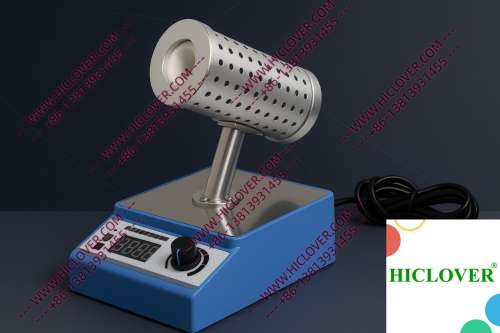
The Micro Incinerator utilizes advanced infrared heating technology to provide rapid thermal sterilization, a critical element for laboratories aiming to minimize contamination risk. Unlike traditional flame sterilizers, which can produce harmful aerosols and are inherently unsafe in clean environments, the Micro Incinerator operates within an enclosed ceramic heating chamber designed to achieve high temperatures without the need for an open flame.
Here’s how it works:
- Infrared Heat: Utilizes infrared radiation to generate consistent high temperatures quickly.
- Enclosed Ceramic Tube: Ensures effective heat retention and targeted disinfection of inoculating loops and other tools.
- Rapid Sterilization: Delivers sterilization in seconds, significantly reducing downtime during laboratory procedures.
- Meets WHO biosafety guidelines for laboratory sterilization.
- Flame-free operation minimizes contamination in clean environments.
- Tailored for use in BSL-2 and BSL-3 regulatory frameworks.
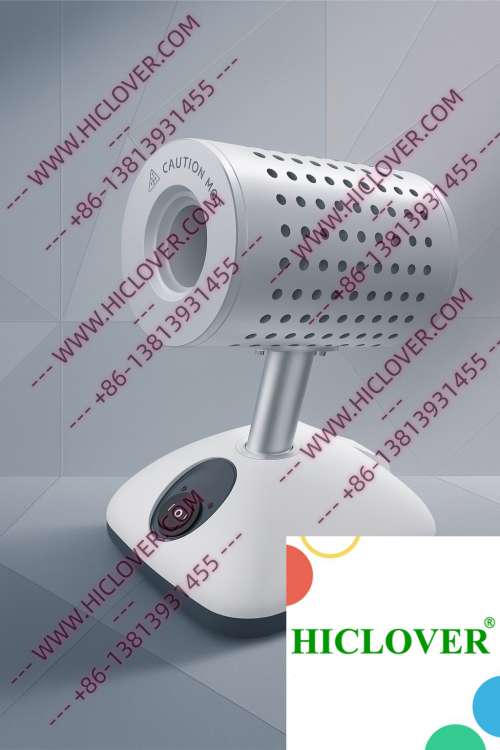
This design not only enhances the efficiency of sterilization processes but also aligns with modern laboratory requirements for clean-bench-safe handling, making it ideal for diverse environments.
Application Scenarios: Real-World Use Cases
1. Biosafety Cabinets in BSL-2 / BSL-3 Labs
In highly controlled environments such as BSL-2 and BSL-3 microbiology labs, avoiding contamination is crucial. The Micro Incinerator’s compact design allows it to be conveniently integrated into biosafety cabinets. Here, it serves as an essential tool for sterilizing apparatus rapidly, ensuring that no aerosols escape during handling. This ensures strict adherence to laboratory safety protocols, protecting both researchers and the integrity of their experiments.
2. Teaching Labs and University Settings
Educational institutions often grapple with the challenge of equipping teaching laboratories while maintaining safety standards. The Micro Incinerator stands out as an ideal piece of equipment for university teaching labs, where students learn sterile techniques. Its easy-to-use nature permits students to manage sterilization protocols effectively, without the risks associated with flames. This aids in creating safer learning environments while adhering to necessary regulatory guidelines.
Compliance and Environmental Impact
Regulatory compliance is a critical consideration for laboratories. The World Health Organization (WHO) and other regulatory bodies outline stringent biosafety and sterilization standards that facilities must comply with. For instance, the use of flame in clean rooms can compromise air quality and increase contamination risks, making the Micro Incinerator a safer alternative.
Key Compliance Features
As laboratories strive to adhere to compliance standards, the Micro Incinerator presents an environmentally friendly solution without the risks associated with traditional flame-based systems.
Advantages Over Traditional Flame Sterilizers
When choosing sterilization equipment, understanding the advantages of the Micro Incinerator compared to traditional flame sterilizers is key:
| Feature | Micro Incinerator | Flame Sterilizers |
|---|---|---|
| Heating Method | Infrared heat | Open Flame |
| Contamination Control | Efficient and secure | Aerosol production risk |
| Speed | Seconds | Varies |
| Usability in Cleanrooms | Highly suitable | Not suitable |
FAQs: Micro Incinerators in Medical Laboratories
What is a Micro Incinerator?
A Micro Incinerator is a compact laboratory sterilization device that uses infrared technology to achieve high-temperature disinfection rapidly, ideal for sterilizing inoculating loops and other tools without an open flame.
How does it ensure safety in sterile environments?
Micro Incinerators are designed for enclosed operation, minimizing aerosol risks and providing clean-bench-safe sterilization, making them suitable for BSL-2 and BSL-3 labs.
Can it be used in teaching laboratories?
Yes, its ease of use and safety features make it particularly well-suited for educational institutions teaching sterile techniques.
Is it compliant with WHO standards?
Yes, the Micro Incinerator adheres to various biosafety and sterilization standards, including those established by the WHO.
How does the Micro Incinerator improve workflow in labs?
By providing rapid sterilization without the need for an open flame, the Micro Incinerator significantly reduces downtime, allowing researchers and technicians to maintain productivity.
Conclusion
In an age where laboratory sterilization demands are rising, the Micro Incinerator / Infrared Inoculating Loop Sterilizer stands out as a small yet impactful solution. It provides an advanced, efficient sterilization method that heightens safety and compliance in various laboratory settings.
Contact us today to learn more about procuring innovative sterilization equipment tailored to your laboratory’s needs. Experience a new standard of safety and efficiency in laboratory sterilization with the Micro Incinerator.
Categories:
Tags: