
In today’s laboratory settings, especially within the healthcare sector, operational biosafety is no longer just a consideration—it’s an imperative. From microbiology labs to clinical diagnostics, the demand for effective sterilization processes has intensified. Traditional flame sterilizers, such as alcohol lamps and Bunsen burners, have long been standard, but they come with significant drawbacks, including safety issues, inconsistent heat application, and contamination risks. In this evolving landscape, micro incinerators, particularly the Micro Incinerator / Infrared Inoculating Loop Sterilizer, have emerged as a transformative solution for effective waste management and sterilization.
The Technical Principle Behind Micro Incinerators
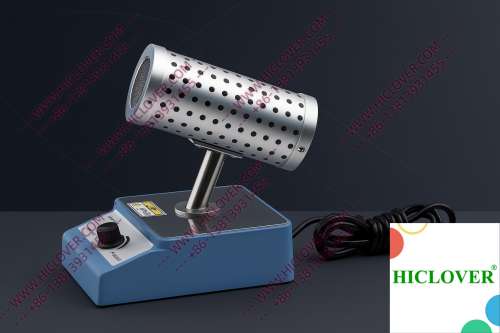
Micro incinerators utilize advanced technology to achieve rapid thermal sterilization of inoculating loops, needles, and other laboratory tools. These devices generate high temperatures via an enclosed ceramic tube that radiates infrared heat. This method allows for precise thermal control, leading to efficient sterilization without the risks associated with open flames. Unlike traditional sterilization methods, the enclosed design minimizes aerosol formation and contamination, making it a clean-bench-safe option for delicate environments like BSL-2 and BSL-3 microbiology labs.
Why Choose Micro Incinerators Over Traditional Flame Sterilizers?
| Feature | Micro Incinerator | Flame Sterilizer |
|---|---|---|
| Temperature Control | Automated, rapid thermal sterilization | Manual flame adjustment |
| Safety | Enclosed design, aerosol-free | Open flame, higher risk of fire |
| Usability | Easy to operate, portable | Requires additional training and supervision |
| Compliance | Meets WHO biosafety guidelines | Potentially non-compliant in clean rooms |
Application Scenarios for Micro Incinerators in the Laboratory
1. Biosafety Cabinets
Within a biosafety cabinet, precision and sterility are paramount. Using a Micro Incinerator allows scientists to quickly sterilize equipment without the need for an open flame. In a recent study in Vienna, a prominent research laboratory utilized micro incinerators within their biosafety cabinets to enhance operational efficiency. Researchers reported a decrease in sterilization time by up to 50%, allowing for more timely analysis and better sample integrity.
2. Field Testing and Mobile Laboratories
Mobile laboratories often face significant challenges, ranging from limited space to managing hazardous waste effectively. Micro incinerators are compact, portable, and provide fast sterilization, making them ideal for fieldwork in remote locations. Environmental NGOs operating in Vienna have implemented these devices during their outreach programs, resulting in effective contamination control while adhering to international waste disposal standards.
Compliance and Environmental Concerns
With increasing global awareness of laboratory safety and environmental impact, compliance with biosafety standards set by organizations like the WHO is crucial. Micro incinerators not only meet these rigorous standards but also promote cleaner practices by eliminating the need for chemicals and minimizing smoke emissions typically associated with traditional flame sterilizers. Their design ensures they are suitable for clean environments, making them a preferred choice in many teaching labs and clinical settings.
Regional Considerations
Vienna has emerged as a leader in laboratory innovation. The city’s commitment to sustainable practices is reflected in the increasing adoption of micro incinerators by local hospitals and universities. By integrating advanced sterilization technology, these institutions are not only improving their waste management systems but also setting benchmarks for environmental safety.
Frequently Asked Questions (FAQs)
- What is a Micro Incinerator? A Micro Incinerator is a high-temperature sterilization device that utilizes infrared technology to rapidly disinfect laboratory tools and prevent contamination.
- How does a Micro Incinerator work? It generates infrared heat within an enclosed ceramic chamber, providing a clean, flame-free method for sterilizing inoculating loops and needles.
- Where can Micro Incinerators be used? They are ideal for use in biosafety cabinets, teaching labs, and field-testing environments.
- Are Micro Incinerators safe? Yes, they are designed with safety features to minimize hazards, including an enclosed design that prevents flame exposure and aerosol generation.
- What makes Micro Incinerators compliant with biosafety standards? Their closed-system design and effective waste management capabilities meet the biosafety regulations set by organizations like the WHO.
Conclusion
The strategic adoption of Micro Incinerators in laboratory environments, particularly in Vienna, exemplifies how small technological solutions can lead to significant impacts in waste management and sterilization processes. As laboratories continuously strive for improved safety and efficiency, investing in infrared inoculating loop sterilizers is a prudent decision for ensuring compliance, enhancing workflows, and maintaining environmental sustainability. For more information on how Micro Incinerators can transform your lab’s waste management practices, contact us today or explore our product range for high-quality Micro Incinerators suitable for your needs.