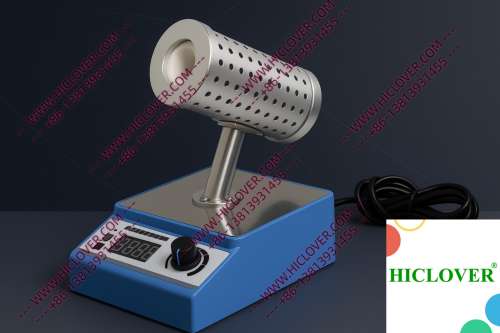
In laboratory environments, maintaining biosafety is paramount. With the rising complexity of biological samples and the evolving landscape of laboratory operations, the demand for rapid and effective sterilization solutions has never been greater. Traditional methods, while effective, often present significant challenges in terms of safety, efficiency, and environmental compliance. This is where micro incinerators like the Infrared Inoculating Loop Sterilizer come into play, offering small yet powerful solutions for big problems in waste disposal and sterilization.
Understanding the Micro Incinerator: Technical Principles
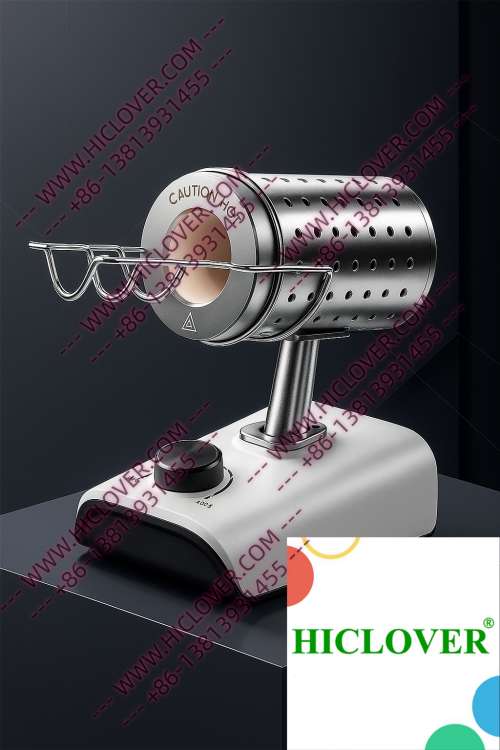
The Micro Incinerator utilizes advanced infrared heat technology to achieve rapid thermal sterilization. Unlike traditional flame sterilizers, which can produce aerosols and introduce contamination risks, the micro incinerator operates within an enclosed ceramic tube. This configuration ensures high-temperature disinfection without the hazards associated with open flames.
This cutting-edge device achieves target temperatures swiftly, allowing for efficient sterilization of inoculating loops, needles, and other lab tools, making it ideal for various laboratory settings, including BSL-2 and BSL-3 microbiology labs.
Why Choose Micro Incinerators Over Traditional Flame Sterilizers?
- Safety: No open flame means reduced risk of fire and contamination.
- Efficiency: Rapid heating allows for quicker turnaround times.
- Control: Infrared heat provides precise thermal control and uniform heating.
- Environmentally Friendly: Minimal impact due to reduced emissions and cleaner operation.
- What are the key benefits of using a Micro Incinerator for lab sterilization?
The Micro Incinerator provides rapid sterilization, minimizes contamination risks, and promotes a cleaner working environment, making it an excellent choice over traditional methods. - Can a Micro Incinerator be used in field testing scenarios?
Yes, its portability and battery-operated options make it an ideal solution for mobile labs conducting field tests. - What regulations govern laboratory sterilization methods?
International guidelines, such as those set by the WHO, provide compliance benchmarks for sterilization practices in laboratories. - How does the Micro Incinerator ensure safety compared to traditional flame sterilizers?
By using enclosed ceramic tubes and infrared heat, it eliminates risks associated with open flames, reducing contamination and fire hazards. - Where can I find Micro Incinerators for purchase in China?
Laboratory equipment distributors and online medical supply stores in major cities such as Beijing, Shanghai, and Guangzhou offer a variety of micro incinerator options.
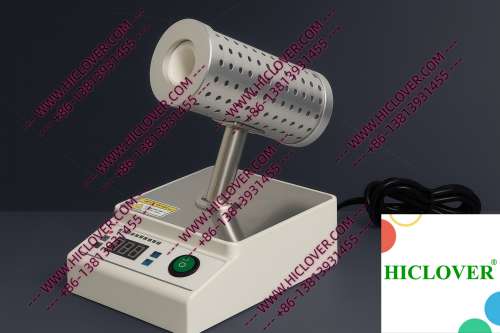
Real Lab Applications of Micro Incinerators
Application Scenario 1: Biosafety Cabinets
In many modern labs, biosafety cabinets provide essential protection when handling pathogenic microorganisms. The incorporation of micro incinerators within these cabinets enhances the safety protocols by allowing for rapid sterilization of tools without disrupting the sterile environment. As lab technicians transfer samples or conduct experiments, they can easily sterilize their instruments on-the-fly, which minimizes the risk of contamination and ensures the integrity of results.
Application Scenario 2: Field Testing Labs
For mobile or field testing labs, where resources may be limited, a micro incinerator serves as a crucial piece of equipment. Its portability, coupled with its battery-operated versions, allows researchers to carry out essential sterilization procedures on-site without the need for bulky, complicated systems. This mobility is particularly beneficial in remote areas where biosafety might be compromised.
Compliance and Environmental Considerations
Adhering to international health standards, such as the WHO biosafety guidelines, is critical in laboratory environments. Micro incinerators align with these standards, providing an effective sterilization method compliant with lab sterilization protocols. Additionally, with the push for cleaner operations in clean rooms, the absence of flames significantly reduces the risk of particle contamination, contributing to the overall quality of laboratory work.
Moreover, laboratories face increasing scrutiny regarding their environmental footprint. By utilizing micro incinerators for sterilization, labs can demonstrate commitment to sustainability and effective waste management without compromising safety or operational efficiency.
Comparison of Micro Incinerators and Traditional Flame Burners
| Feature | Micro Incinerator | Traditional Flame Burner |
|---|---|---|
| Safety | No open flame | Open flame hazard |
| Efficiency | Rapid sterilization | Longer time to heat |
| Environment | Minimal emissions | Potential for contamination |
| Portability | Highly portable | Bulky and heavy |
Frequently Asked Questions (FAQs)
Conclusion: A Shift to Safer Sterilization Solutions
As laboratory environments across China and the globe evolve, embracing innovative technologies like micro incinerators is essential for advancing biosafety and operational efficiency. The Infrared Inoculating Loop Sterilizer not only meets the demands of modern labs but also addresses environmental concerns with its clean and effective operation. If you’re ready to take the next step towards improving your laboratory’s sterilization workflow, contact us today to explore our range of Micro Incinerators. Transform your sterilization practices for a safer, more efficient future!
Categories:
Tags: