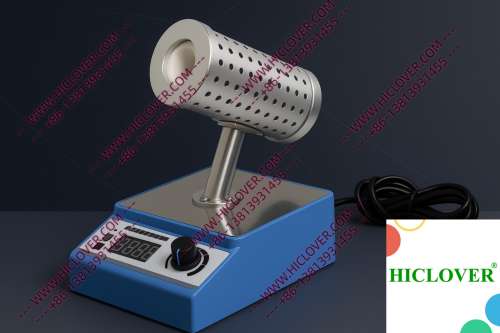
In today’s rapidly evolving laboratory environments, effective biosafety and sterilization are paramount. Challenges in contamination control can lead to disastrous outcomes, particularly in sensitive settings such as BSL-2 and BSL-3 microbiology labs, clinical diagnostics, and even in educational institutions. The need for efficient sterilization processes has paved the way for innovative solutions, one of which is the Micro Incinerator, an indispensable tool that facilitates fast and effective laboratory sterilization.
Understanding the Micro Incinerator Technology
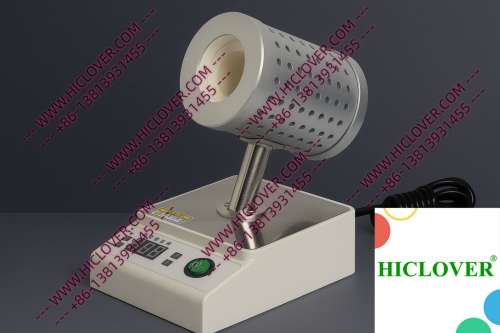
The Micro Incinerator, also known as an Infrared Inoculating Loop Sterilizer, operates on the principle of rapid thermal sterilization through infrared heat. This device is designed with a ceramic heating chamber that generates high temperatures with minimal wait time, ensuring that tools such as inoculating loops are sterilized efficiently. Unlike traditional flame sterilizers such as alcohol lamps and Bunsen burners, the Micro Incinerator offers a clean-bench-safe solution that significantly reduces the risk of aerosol generation during sterilization.
Technical Configuration
What sets the Micro Incinerator apart from conventional sterilization methods? The enclosed ceramic tube is a key feature, allowing for even heat distribution while maintaining a controlled environment. This configuration not only enhances safety by eliminating open flames, but also makes it possible to maintain a sterile workspace free from contamination. With its compact design, this device is easy to integrate into various laboratory setups, from mobile or field testing labs to stationary university teaching labs.
Application Scenarios
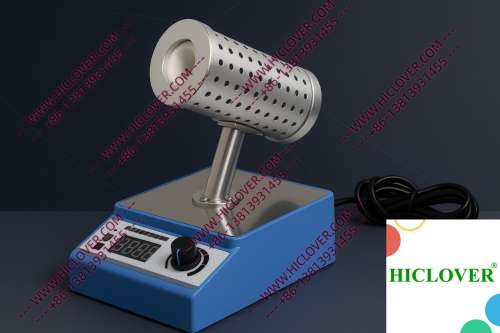
- Biosafety Cabinets: The Micro Incinerator excels in biosafety cabinets, providing a sterile environment for sensitive microbiological work. It allows laboratory personnel to sterilize inoculating loops quickly without the need for open flames, thereby minimizing the risk of contamination.
- Field Testing Labs: In settings where immediate sterilization is crucial, such as in mobile testing labs for infectious diseases, the Micro Incinerator can be vital. Its portability and rapid heating capabilities ensure that samples are handled safely and efficiently, even in resource-limited environments.
Benefits Over Traditional Flame Sterilizers
While traditional methods like alcohol lamps and Bunsen burners have been widely used, they come with several drawbacks. Below is a comparison table highlighting the advantages of Micro Incinerators over flame sterilizers:
| Feature | Micro Incinerator | Flame Sterilizers |
|---|---|---|
| Safety | No open flames, reducing fire hazards | Open flames create fire risks |
| Efficiency | Rapid thermal sterilization | Slower heating time |
| Contamination Control | Aerosol-free handling | Higher risk of aerosol generation |
| Portability | Compact and lightweight | Bulky with limited mobility |
Compliance and Environmental Considerations
In compliance with WHO biosafety standards, laboratories are mandated to uphold stringent sterilization practices to prevent contamination and the spread of pathogens. The Micro Incinerator meets these rigorous lab sterilization standards, offering a flame-free method that is particularly effective in clean rooms where open flames are prohibited. This device not only aids in maintaining biosafety but also aligns with environmentally sustainable practices by eliminating the need for flammable substances.
Regional Implications: Sri Lanka as a Case Study
In Sri Lanka, the need for advanced laboratory sterilization equipment is growing due to increasing health concerns and the push towards modernizing healthcare facilities. Hospitals, universities, and research centers are turning to Micro Incinerators to meet compliance requirements and improve workflow efficiency. As these institutions adapt to higher standards of safety, the integration of innovative sterilization solutions plays an essential role in enhancing public health outcomes.
FAQs
- What is a Micro Incinerator?
The Micro Incinerator is a device used for rapid thermal sterilization of laboratory tools, utilizing infrared heat for effective contamination control. - How does the Micro Incinerator compare to traditional flame sterilizers?
It offers several advantages including improved safety due to the absence of open flames, faster sterilization times, and enhanced contamination control. - In what laboratory settings can Micro Incinerators be used?
They are ideal for biosafety cabinets, field testing labs, and university teaching labs, among others. - What compliance standards do Micro Incinerators meet?
They adhere to WHO biosafety guidelines and lab sterilization standards, particularly suitable for clean room environments. - Are Micro Incinerators environmentally friendly?
Yes, they eliminate the need for flammable liquids, contributing to safer and more sustainable lab practices.
Conclusion
As laboratories in Sri Lanka and worldwide strive to meet stringent biosafety and sterilization standards, Micro Incinerators are emerging as essential tools for modern laboratory practices. Their advantages over traditional sterilizers make them a preferred choice for a variety of applications. If you are considering upgrading your laboratory equipment or enhancing your sterilization workflow, contact us today to learn more about our high-quality Micro Incinerator and how it can serve your specific needs.
Categories:
Tags: