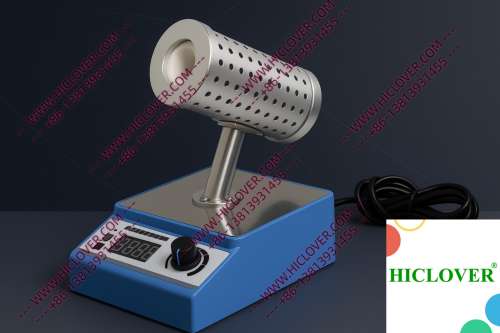
In a world increasingly focused on biosafety protocols, laboratory sterilization has become a top priority for research facilities, medical institutions, and teaching labs across Cape Town. As the demand for effective and efficient sterilization methods grows, traditional solutions often fall short of meeting contemporary lab needs, leading to a heightened interest in advanced technologies such as micro incinerators, specifically the Micro Incinerator / Infrared Inoculating Loop Sterilizer.
Addressing Laboratory Biosafety Challenges
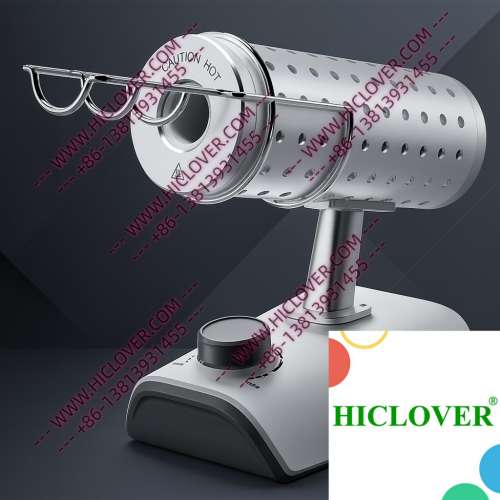
Pathogen contamination control is a fundamental necessity within any biosafety cabinet or laboratory setting. Traditional flame sterilization methods, such as alcohol lamps and Bunsen burners, are not only inefficient but also pose risks for fire hazards and fume inhalation. Furthermore, the increasing complexity of laboratory workflows requires more reliable and compact sterilization solutions that maintain a sterile environment across various types of laboratories.
Understanding the Technical Principles
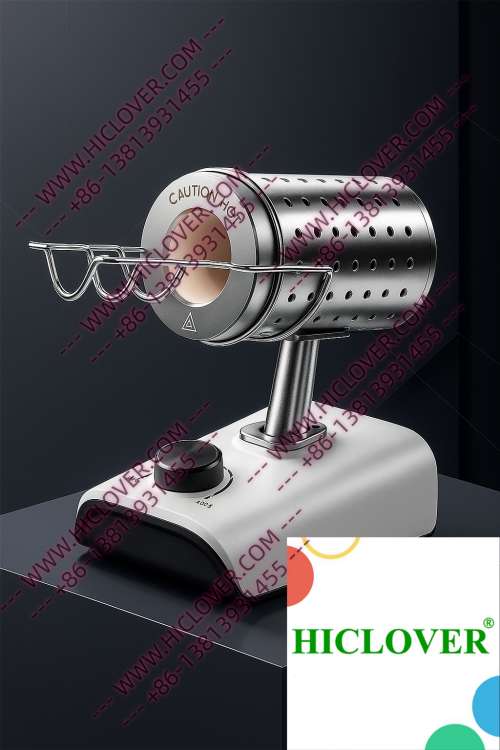
The Micro Incinerator takes advantage of infrared heat technology to achieve rapid thermal sterilization. The enclosed ceramic tube provides a secure environment that allows for high-temperature disinfection without the risk associated with open flames. This innovative sterilization approach minimizes aerosol emissions, making it a preferred choice in clean-room applications and other sensitive environments.
- Infrared Heating: Offers quick heating and cooling cycles, allowing for efficient sterilization.
- Ceramic Heating Chamber: Provides stable heat retention and promotes even temperature distribution.
- Compact Design: Facilitates seamless integration into laboratory spaces with limited room for equipment.
Application Scenarios in Real Labs
Micro incinerators demonstrate remarkable versatility across various lab environments. Here are two application scenarios illustrating their impact:
Biosafety Cabinets
In BSL-2 and BSL-3 microbiology labs, micro incinerators play a critical role in maintaining a sterile workspace. The compact design allows for direct integration into existing biosafety cabinets where sterilizing inoculating loops and tools is essential. Researchers can safely handle potentially infectious materials without causing contamination or compromising the sterile workspace.
University Teaching Labs
Teaching labs in universities always seek to instill fundamental biosafety principles in students. Micro incinerators serve as an ideal instructional tool, illustrating modern sterilization techniques. By using these units, students learn the importance of rapid disinfection methods while understanding how to operate equipment that maintains a safe educational environment.
Compliance and Environmental Considerations
Organizations like the World Health Organization (WHO) guide biosafety practices globally, mandating compliance with appropriate sterilization standards. For laboratories engaged in clinical diagnostics and research, adhering to these guidelines is non-negotiable. The Micro Incinerator not only aligns with WHO biosafety guidelines but also eliminates the need for open flames in clean rooms, thus reducing the potential for fire hazards and environmental impact.
Advantages of Micro Incinerators vs. Traditional Flame Sterilizers
When comparing micro incinerators to conventional flame sterilizers, several key advantages stand out:
| Feature | Micro Incinerator | Flame Burners |
|---|---|---|
| Safety | No open flames, reduced fire risk | High risk of burns and fires |
| Efficiency | Rapid thermal sterilization | Slower heating and cooling times |
| Cleanliness | Aerosol-free handling | Potential for smoky residue |
| Versatility | Suitable for various lab environments | Limited application contexts |
FAQs About Micro Incinerators
What types of labs can benefit from using a Micro Incinerator?
Laboratories across various sectors, including clinical diagnostics, university teaching labs, and field testing laboratories, can enhance their sterilization processes with a Micro Incinerator.
How long does it take to complete sterilization with a Micro Incinerator?
The rapid thermal sterilization capabilities enable effective disinfection within seconds, significantly faster than traditional methods.
Are there any training requirements for using the Micro Incinerator?
Minimal training is needed due to the unit’s straightforward operation; however, it’s advisable to educate users on biosafety principles and proper handling techniques.
Can the Micro Incinerator be used in sensitive environments like clean rooms?
Yes, it is explicitly designed for use in clean environments, adhering to strict biosafety standards and minimizing contamination risks.
Is the Micro Incinerator environmentally friendly?
Absolutely! With no flames and reduced aerosol emissions, it is a clean, safe option for modern labs focused on sustainability.
Conclusion
As Cape Town continues to innovate in its approach to waste management and laboratory practices, adopting cutting-edge sterilization equipment such as the Micro Incinerator / Infrared Inoculating Loop Sterilizer can drastically improve biosafety protocols while adhering to global standards. Investing in micro incinerators not only enhances laboratory workflows but also ensures a commitment to sustainability and safety. Contact us today to learn more about how our advanced sterilization solutions can elevate your lab’s capabilities.
Categories:
Tags: