
In the quest for a cleaner, safer laboratory environment, the demand for effective sterilization methods has never been more pressing. Biosafety challenges in laboratories, especially in BSL-2 and BSL-3 settings, call for innovative solutions that preserve both human health and environmental integrity. Traditional flame sterilizers, such as alcohol lamps and Bunsen burners, while widely used, pose risks of contamination, hazardous aerosols, and flames that can compromise laboratory safety. Enter the Gold standard of sterilization equipment—the Micro Incinerator, also known as an Infrared Inoculating Loop Sterilizer.
What is a Micro Incinerator?
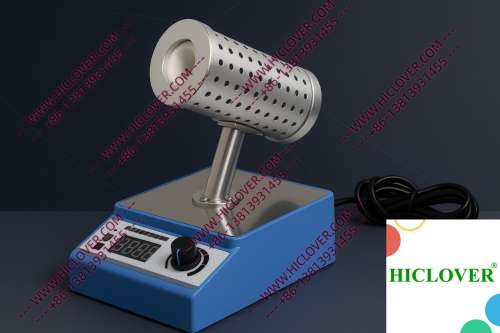
A Micro Incinerator is a sophisticated sterilization tool that uses infrared technology to generate rapid thermal sterilization. Unlike traditional flame methods, this equipment operates with an enclosed ceramic tube that radiates high temperatures, allowing for effective disinfection without the safety hazards associated with open flames. This clean and efficient technology is not just about convenience; it’s about a fundamental shift toward safer laboratory practices.
The technical mechanics of a Micro Incinerator include:
- Infrared Heat: The device utilizes infrared radiation, ensuring even heat distribution for thorough sterilization.
- Enclosed Ceramic Tube: This design prevents aerosol production, making it a clean-bench-safe option.
- Rapid Cycle Time: The brief heating duration allows for quick sterilizations, ideal for busy laboratory environments.
- What is the heating time for the Micro Incinerator? The heating time typically ranges between 5 to 10 seconds, making it efficient for quick sterilization.
- Can it be used in BSL-3 labs? Yes, the Micro Incinerator meets the necessary safety requirements for BSL-2 and BSL-3 laboratories.
- Is it safe to use in a biosafety cabinet? Absolutely! Its design prevents aerosols and flames, making it very safe for use in biosafety cabinets.
- How does it compare cost-wise to traditional sterilizers? While the upfront cost may be higher, the long-term savings on safety and efficiency make it cost-effective over time.
- Does it require special maintenance? Micro Incinerators require minimal maintenance, mainly ensuring the ceramic components are clean and free of residues.
Applications in Laboratory Settings
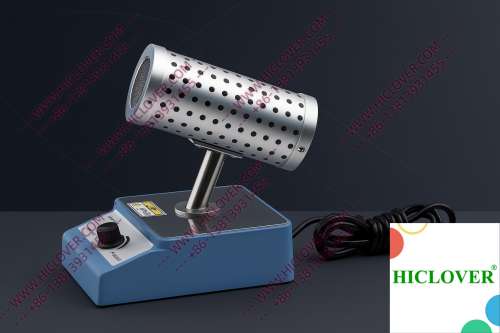
Micro Incinerators play a critical role in various laboratory scenarios, with applications that enhance both safety and efficiency.
1. Biosafety Cabinets
In a biosafety cabinet, contamination control is paramount. The use of a Micro Incinerator ensures that inoculating loops and other reusable tools are sterilized without introducing flames or aerosols, which could disturb the sterile environment. This feature is particularly beneficial for microbiology labs where the risk of pathogen exposure is high. The residual heat is contained, preventing thermal damage to sensitive equipment and materials located nearby.
2. Teaching Laboratories
University teaching labs often face the challenge of balancing hands-on learning with safety protocols. The Micro Incinerator allows students to practice sterile techniques without the high-risk environment of flame-based methods. Educators can confidently instruct students in principles of microbiology and sterilization, knowing that they are using a device that minimizes risks associated with contamination and fire hazards.
Compliance with Safety Standards
Laboratory safety is governed by standards set forth by organizations like the WHO and various national health agencies. Adhering to stringent sterilization protocols is crucial for maintaining biosafety levels, particularly in research focused on clinical diagnostics.
A Micro Incinerator meets these compliance standards by eliminating open flames in cleanroom environments, thus reducing the chances of fire-related incidents. Moreover, it adheres to lab sterilization standards, reflecting a commitment to maintaining safe and sterile conditions compliant with both local and international safety regulations.
“Micro Incinerators redefine sterilization in the laboratory. They comply with stringent biosafety standards, providing a safer environment for scientific research.”
Advantages Over Traditional Flame Sterilizers
When compared to traditional flame sterilizers like alcohol lamps and Bunsen burners, Micro Incinerators offer several distinct advantages:
| Feature | Micro Incinerator | Flame Sterilizers |
|---|---|---|
| Safety | No open flames, aerosol-free | Open flames, potential for aerosol production |
| Speed | Rapid thermal sterilization | Longer heat-up time, risk of residual contamination |
| Chemical Use | No need for flammable alcohol | Requires flammable liquids, increasing risk |
| Maintenance | Low, self-contained design | Higher possibility of malfunction due to exposure |
Field Testing and Mobile Laboratory Operations
Field laboratories, often operating in remote locations, require compact and reliable sterilization solutions. The portability of Micro Incinerators makes them ideal for mobile testing environments, ensuring proper sterilization without the need for bulky equipment. In these scenarios, maintaining contamination control is critical, and the Micro Incinerator excels, making it a preferred choice among researchers involved in fieldwork.
FAQs About Micro Incinerators
Conclusion
The transition to Micro Incinerators offers laboratories a cleaner, safer alternative to conventional flame sterilizers, particularly in high-stakes environments like BSL-2/BSL-3 labs, teaching facilities, and field-testing scenarios. Investing in this technology not only enhances safety and compliance but also promotes best practices in sterilization workflows.
If you’re looking to upgrade your laboratory’s sterilization practices, contact us today for more information on our range of Micro Incinerators. The future of laboratory safety is in your hands—embrace it with our advanced sterilization solutions.
Categories:
Tags: