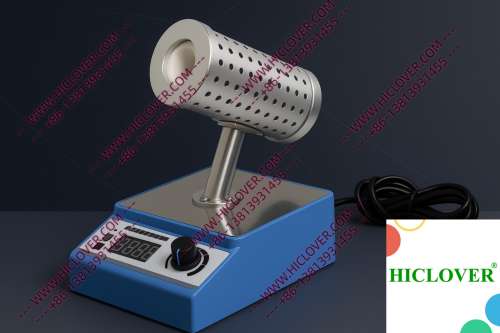
Laboratories today face a myriad of biosafety challenges that demand innovative solutions, particularly in sterilization workflows. The question of how to effectively and safely sterilize inoculating loops, especially in BSL-2 and BSL-3 microbiology labs, is paramount. Traditional flame sterilizers like alcohol lamps and Bunsen burners pose inherent risks, including the potential for open flames and aerosols that can compromise clean environments. In this landscape, portable micro incinerators like the Infrared Inoculating Loop Sterilizer have emerged as groundbreaking tools for achieving efficient contamination control and rapid thermal sterilization.
Understanding the Micro Incinerator
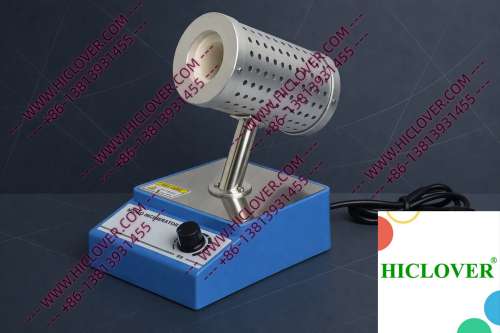
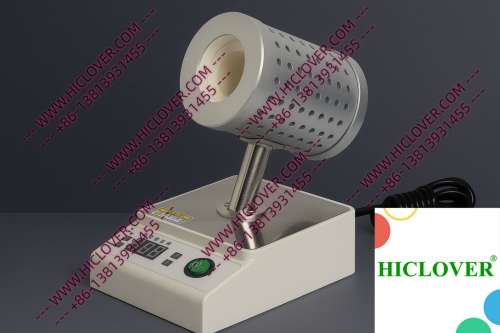
At the core of the micro incinerator’s functionality is its use of infrared heat, generated by an enclosed ceramic tube. This technology allows for exceptionally high-temperature disinfection, ensuring that contamination is quickly neutralized. Unlike traditional flame sterilizers, the micro incinerator offers aerosol-free handling, making it safe for use even in clean benches. The compact design of these units means they are portable, fitting seamlessly into field testing scenarios or teaching labs.
- Rapid thermal sterilization reduces time spent on preparation.
- Enclosed ceramic heating chamber minimizes contamination risks.
- Compact and portable design suitable for various lab environments.
Applications in Real Laboratory Scenarios
Micro incinerators have proven their versatility in various laboratory settings. Here are two application scenarios that illustrate their potential:
1. Biosafety Cabinet Use
In a BSL-2 microbiology lab, researchers often utilize biosafety cabinets to ensure a sterile working environment. Traditional flame sterilizers can introduce combustion byproducts that may compromise experiments. By integrating a micro incinerator into their sterilization workflow, researchers can swiftly sanitize inoculating loops without the risk of fire hazards or harmful emissions. This not only optimizes their sterilization process but also enhances laboratory safety.
2. Field Testing in Remote Locations
Field testing involves unique challenges, particularly regarding the availability of reliable sterilization methods. Micro incinerators shine in these scenarios. Lightweight and easy to operate, these devices allow researchers to effectively sterilize samples on-site without needing electrical power sources, thereby ensuring that contamination is minimized during sample collection in remote environments. This capability exemplifies Spain’s commitment to innovative, portable solutions that support zero-waste initiatives.
Compliance and Environmental Standards
Adhering to biosafety and sterilization standards is crucial in today’s laboratory environments. Organizations like the WHO emphasize the importance of using sterilization methods that promote safety and efficiency. Micro incinerators meet stringent laboratory sterilization standards, including those that prohibit open flames in clean rooms where the risk of contamination from flame-generated particles is unacceptable.
Moreover, as laboratories become increasingly committed to environmental sustainability, the shift from traditional flame sterilizers to micro incinerators represents a significant step towards achieving zero waste. The infrared technology ensures a more efficient energy use, contributing to reduced ecological footprints.
Comparison: Micro Incinerator vs. Traditional Flame Sterilizers
| Feature | Micro Incinerator | Flame Sterilizers |
|---|---|---|
| Operational Safety | No open flame; safe for cleanroom use | Open flames pose fire risks |
| Contamination Control | Aerosol-free handling | Risk of aerosol spread |
| Portability | Lightweight and portable | Heavier, less adaptable to fieldwork |
| Energy Efficiency | Utilizes infrared technology for rapid sterilization | Energy-intensive; slower heating |
Frequently Asked Questions
- What is a micro incinerator? A micro incinerator is a portable device that uses infrared heat for rapid thermal sterilization, making it ideal for labs seeking effective contamination control.
- How does it improve laboratory safety? Unlike open flame sterilizers, micro incinerators eliminate fire hazards and aerosol risks, making them safer for use in sensitive environments like BSL-2 labs.
- What are the environmental benefits? The transition to micro incinerators aligns with zero-waste goals by promoting energy efficiency and generating no hazardous emissions.
- Can it be used in teaching labs? Yes, the micro incinerator is suitable for university teaching labs where safety and swift sterilization are essential.
- How does compliance with lab standards work? The micro incinerator complies with global lab sterilization standards, allowing for safe and effective use without open flames.
Conclusion
Spain’s innovative approach to portable micro incinerators illustrates a significant movement towards achieving zero-waste laboratory practices. By adopting tools like the Infrared Inoculating Loop Sterilizer, laboratories enhance safety, efficiency, and compliance with stringent biosafety regulations. As you explore options for laboratory sterilization equipment, consider the advantages that micro incinerators offer over traditional flame sterilizers. Reach out today to learn more about how you can enhance your sterilization protocols and elevate your laboratory’s standard of safety and environmental responsibility.
Categories:
Tags: