
In today’s laboratory environment, biosafety and sterilization efficiency are paramount. Rapid thermal sterilization methods are becoming increasingly essential for laboratory workflows, particularly in settings where time is a critical factor. Traditional means of sterilization, such as alcohol lamps and Bunsen burners, often introduce risks of contamination, unreliable sterilization, and time inefficiencies. As research and diagnostic demands rise, laboratories need to adopt innovative sterilization solutions like the Micro Incinerator / Infrared Inoculating Loop Sterilizer.
Technical Principles of Infrared Heating
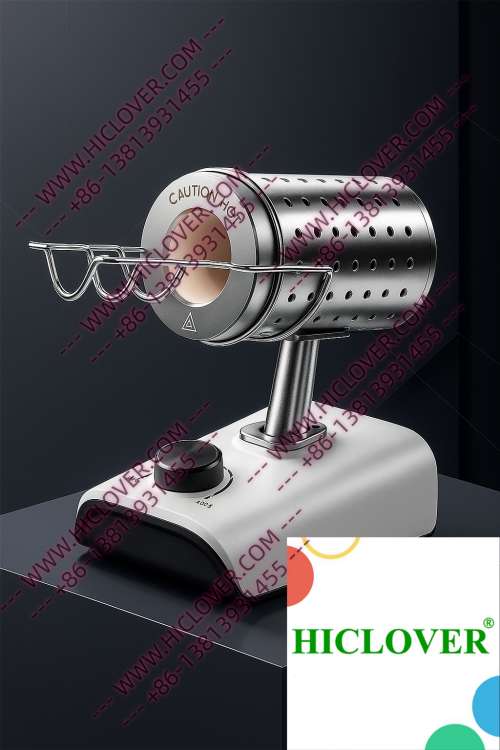
The Micro Incinerator employs advanced infrared heating technology to achieve high-temperature disinfection within seconds. Unlike flame sterilizers that generate a hot air plume, the infrared heating element radiates focused heat through an enclosed ceramic tube. This design ensures that inoculating loops and other tools are sterilized rapidly while minimizing aerosol production. The enclosed chamber also helps concentrate heat and avoid exposure to ambient contaminants, making it well-suited for biosafety levels 2 and 3 (BSL-2 and BSL-3) laboratories.
Product Configuration and Advantages
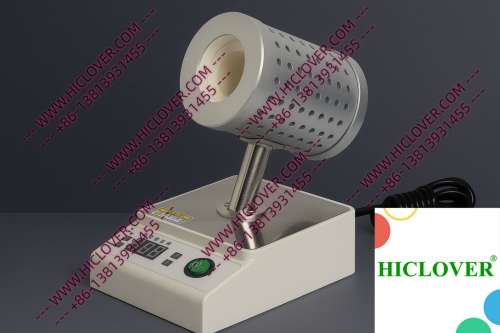
With its simple design, the Micro Incinerator boasts a lightweight, compact form factor that easily fits within various laboratory setups. The key components include:
- Infrared heating element
- Ceramic heating chamber
- Temperature control mechanism
- Power switch and indicator lights
- Rapid Sterilization: Sterilization is achieved in mere seconds.
- Enhanced Safety: No open flames reduce the risk of fire hazards.
- Contamination Control: Aerosol-free handling prevents contamination.
- Efficiency: Minimal wait times boost laboratory productivity.
This advanced configuration provides several advantages over traditional flame sterilizers:
Application Scenarios in Real Labs
1. Biosafety Cabinets: High-Risk Microbiology Labs
In BSL-2 and BSL-3 microbiology laboratories, the Micro Incinerator is an invaluable tool for effectively managing pathogens. These labs often utilize biosafety cabinets (BSC) to contain potentially hazardous biological agents. Using the Micro Incinerator within a BSC allows researchers to sterilize their inoculating loops rapidly, significantly improving workflow while ensuring the safety of both personnel and samples.
2. Field Testing: Mobile Labs
In field testing environments, where access to traditional sterilization equipment may be limited, the Micro Incinerator stands out as an ideal choice. Its portability allows researchers to conduct experiments in remote locations without compromising sterilization quality. For example, environmental scientists evaluating microbial water quality can easily sterilize sampling tools in situ, reducing the risk of cross-contamination.
Compliance and Environmental Standards
Laboratories are increasingly subject to stringent biosafety and sterilization standards set by organizations such as the World Health Organization (WHO) and the Centers for Disease Control and Prevention (CDC). The Micro Incinerator adheres to these guidelines, making it suitable for usage in cleanrooms. Flame sterilizers, on the other hand, are often frowned upon in such environments due to their open flames posing a risk to air quality and operator safety. Furthermore, the reliance on flame-based sterilization can generate aerosols, which is a significant concern in high-containment laboratories.
Table: Comparison of Micro Incinerator vs. Flame Burners
| Feature | Micro Incinerator | Flame Burners |
|---|---|---|
| Sterilization Time | Seconds | Minutes |
| Aerosol Production | None | High |
| Safety | High (no flame) | Low (flammable) |
| Portability | High | Medium |
| Energy Efficiency | Low energy use | High energy use |
Frequently Asked Questions (FAQs)
1. What are the main advantages of using a Micro Incinerator over a traditional flame sterilizer?
The Micro Incinerator offers rapid sterilization, enhanced safety with no open flames, and reduced contamination risks, making it especially valuable in sensitive laboratory environments.
2. Can the Micro Incinerator be used in field applications?
Yes, its compact and lightweight design makes it ideal for mobile and field testing labs, where traditional sterilization methods may not be feasible.
3. How does the Micro Incinerator comply with WHO biosafety standards?
The device replaces open flames with infrared heating, reducing aerosol risks and maintaining a sterile environment aligned with global biosafety protocols.
4. What types of labs benefit most from using a Micro Incinerator?
Clinical diagnostics, university teaching labs, and research centers working with pathogens benefit immensely from the efficiency and safety of the Micro Incinerator.
5. Is the Micro Incinerator safe for use in cleanrooms?
Absolutely, the Micro Incinerator is designed specifically for environments like cleanrooms, where open flames pose unacceptable risks.
Conclusion
The landscape of laboratory sterilization is evolving towards more efficient, safe, and compliant technologies. The Micro Incinerator / Infrared Inoculating Loop Sterilizer stands at the forefront, addressing rapid thermal sterilization needs without compromising safety or efficacy. If you’d like to learn more or are interested in incorporating this innovative product into your laboratory, please contact us for further information or to discuss your purchasing options.
Categories:
Tags: