
In the realm of laboratory biosafety, the necessity for effective <strong>sterilization equipment</strong> cannot be overstated. With the ever-present threat of contamination in microbiology labs, educational institutions, and research centers, the demand for reliable sterilization solutions is paramount. Traditional flame sterilizers, like Bunsen burners and alcohol lamps, are gradually being replaced by more advanced technologies that offer superior safety and efficacy. One such innovation is the Micro Incinerator / Infrared Inoculating Loop Sterilizer, which has emerged as a frontrunner in the market.
The Science Behind Infrared Sterilization
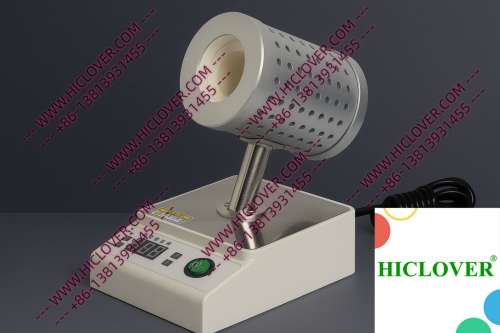
At the heart of a micro incinerator lies the principle of rapid thermal sterilization. It utilizes infrared heat emitted from a ceramic heating chamber; this technology ensures that the inoculating loop or other laboratory tool is elevated to high temperatures within seconds, effectively eliminating microbial life. The enclosed design of the ceramic tube minimizes the risk of exposure to aerosols, making it an ideal choice for maintaining a clean and safe laboratory environment.
Features of Micro Incinerators
- Fast Heating Time: Typically reaches sterilization temperature in under 10 seconds.
- Easy Operation: Simple on/off switches make it user-friendly.
- Environmentally Safe: No flames or harmful emissions.
- Portability: Small size enables usage in diverse settings.
- Durability: Robust construction ensures long-lasting performance.
Application Scenarios in Real Labs
1. Teaching Laboratories
In university teaching labs, the Micro Incinerator is invaluable for instructing students on microbial culture techniques. The swift sterilization process allows students to focus on their experiments without the delays associated with traditional flame sterilizers. The clean-bench-safe operation also enhances safety, reducing the risks related to fire hazards, especially in densely populated lab spaces.
2. BSL-2 / BSL-3 Microbiology Labs
In high-containment facilities, such as BSL-2 and BSL-3 microbiology labs, contamination control is critical. The infrared inoculating loop sterilizer allows researchers to work efficiently while adhering to stringent biosafety standards. Its quick sterilization process ensures that tools are ready for immediate use, thus enabling a streamlined workflow—essential in scenarios dealing with sensitive pathogens.
Compliance and Standards
When selecting laboratory sterilization equipment, compliance with recognized biosafety standards is crucial. Organizations like the WHO and guidelines established for laboratory safety emphasize the importance of effective sterilization practices. Traditional flame sterilizers are often discouraged in cleanroom environments due to potential air contamination and fire hazards. In contrast, the Micro Incinerator complies with global laboratory sterilization standards, making it suitable for facilities aiming for the highest safety protocols.
Comparison: Micro Incinerator vs. Traditional Flame Sterilizers
| Feature | Micro Incinerator | Traditional Flame Sterilizers |
|---|---|---|
| Heating Time | 10 seconds | Variable |
| Safety | No flames, aerosol-free handling | Flame risks, potential for airborne contamination |
| Portability | Very portable | Often bulky |
| Environmental Impact | Eco-friendly | Potential emissions |
| Ease of Use | Simple operation | Requires skill to handle safely |
Frequently Asked Questions
What is the lifespan of a Micro Incinerator?
The lifespan of a Micro Incinerator can exceed several years, depending on usage and maintenance practices. Regular cleaning and proper care significantly extend its operational life.
Can I use it in a BSL-3 laboratory?
Yes, Micro Incinerators are designed for high-containment laboratories and meet the necessary sterilization standards. Always ensure compliance with specific institutional protocols.
How does it ensure aerosol-free handling?
The enclosed ceramic tube design prevents the release of aerosols during the sterilization process, creating a safer working environment for laboratory personnel.
Is training required to operate a Micro Incinerator?
Minimal training is needed, given its user-friendly design. However, understanding biosafety protocols remains essential for all laboratory operators.
How does it compare to other sterilization methods?
Compared to autoclaves and traditional flame sterilizers, Micro Incinerators offer quicker sterilization times and reduced risk of contamination, without requiring additional equipment like water supply.
Conclusion
In summary, the Micro Incinerator / Infrared Inoculating Loop Sterilizer represents a significant advancement in laboratory sterilization technology. Its rapid thermal sterilization capabilities, safety features, and compliance with global biosafety standards make it an ideal choice for various applications in both teaching and research settings. By upgrading to state-of-the-art sterilization technology, laboratories can improve workflow efficiency while ensuring the highest levels of biosafety. For more information on purchasing or inquiries related to Micro Incinerators, we invite you to contact us today.
Categories:
Tags: