
In today’s rapidly evolving laboratory environments, biosafety challenges and stringent sterilization workflows present significant demands. Ensuring effective sterilization to eliminate contaminants while maintaining safety standards is crucial, especially in BSL-2 and BSL-3 microbiology labs. Traditional flame sterilizers, such as alcohol lamps and Bunsen burners, while common, introduce risks such as flame hazards and the release of aerosols, making micro incinerators a compelling alternative.
Revolutionizing Sterilization with Micro Incinerators
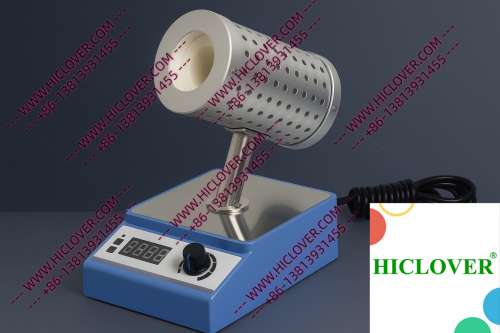
Micro incinerators, or infrared inoculating loop sterilizers, utilize advanced thermal sterilization technology. The core of their functionality lies in an enclosed ceramic heating chamber that generates rapid thermal sterilization through infrared heat. This high-temperature disinfection method allows for contamination control without the risk associated with open flames, achieving temperatures that can easily exceed 800°C.
For laboratories that prioritize safety and efficiency, the design of a micro incinerator is particularly advantageous. Its compact size enables easy integration into various lab settings, be it a biosafety cabinet, field-testing setup, or university teaching laboratory. Moreover, the device provides almost instantaneous sterilization without requiring prolonged exposure times, streamlining laboratory workflows considerably.
Application Scenarios in Real Labs
Let’s explore how micro incinerators can enhance sterilization processes in diverse laboratory environments.
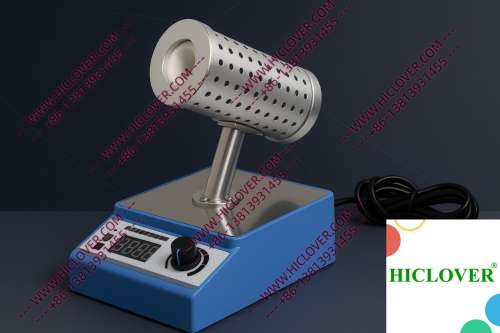
1. Biosafety Cabinet Operation
Inside biosafety cabinets, maintaining a sterile workspace is vital to prevent contamination during experiments. Micro incinerators provide an ideal solution by fitting seamlessly into these enclosed environments. The absence of an open flame ensures that the air quality remains uncompromised, protecting sensitive biological cultures and preventing microbial spread. Technicians can rapidly sterilize loops and other tools without fearing contamination via aerosol dispersion, enhancing workflow and efficiency.
2. Field Testing Laboratories
In mobile or field testing labs, the challenge of sterilizing equipment in variable conditions can significantly hinder operations. Micro incinerators offer a portable solution that can be deployed in remote locations. Their lightweight design coupled with battery-powered options enables researchers to conduct microbial sampling and testing without compromising sterilization integrity. This makes them indispensable tools for environmental monitoring and health diagnostics in challenging settings.
Compliance and Environmental Considerations
Incorporating micro incinerators also aligns laboratories with compliance and environmental standards established by WHO and relevant health authorities. Sterilizing with infrared technology eliminates the hazards associated with flame sterilizers, enhancing cleanliness especially in cleanroom environments. Additionally, using micro incinerators minimizes the risk of contamination—a crucial requirement aligned with lab sterilization standards.
Moreover, the introduction of such devices helps laboratories become more environmentally sustainable. Unlike traditional burners that rely on gas or alcohol, micro incinerators typically utilize electric power, reducing volatile emissions and contributing to a cleaner laboratory atmosphere.
Comparative Advantages of Micro Incinerators Over Traditional Flame Sterilizers
| Feature | Micro Incinerators | Flame Burners |
|---|---|---|
| Heat Generation | Infrared technology for rapid sterilization | Open flame, requiring longer exposure times |
| Safety | Enclosed heating chamber minimizes fire risks | Open flame poses significant fire hazards |
| Contamination Control | Aerosol-free handling, ideal for sensitive cultures | Potential for aerosol contamination during use |
| Energy Efficiency | Electric-powered, usually consumes less energy | Gas dependency can lead to higher emissions |
Frequently Asked Questions (FAQs)
- What is the main principle behind micro incinerators? The primary operation relies on rapid thermal sterilization through infrared heating, providing high-temperature disinfection.
- How do micro incinerators improve laboratory safety? They eliminate open flames, reducing fire hazards and preventing aerosol contamination during sterilization processes.
- Can micro incinerators be used in field testing? Yes, their portable design makes them ideal for mobile laboratories requiring on-site sterilization.
- Are micro incinerators compliant with lab safety standards? Yes, they align with WHO biosafety regulations and laboratory sterilization standards, ensuring a safer working environment.
- What are some common applications for micro incinerators? They are widely used in biosafety cabinets, clinical diagnostics, and university teaching labs for efficient sterilization.
Conclusion
As laboratories increasingly face stringent sterilization demands, micro incinerators provide a viable, efficient, and safe alternative to traditional flame sterilizers. By integrating this innovative equipment into your laboratory processes, you not only improve safety but also enhance workflow efficiency. For available models, pricing, or personalized queries, feel free to reach out and discover how micro incinerators can transform your sterilization approach!
Categories:
Tags: