
In today’s increasingly health-conscious environment, laboratories face significant biosafety challenges in managing and treating biological waste. With stringent regulations and the rise of infectious diseases, the demand for effective sterilization methods has never been more critical. Among the numerous solutions available, sterile loop incinerators, particularly the Micro Incinerator / Infrared Inoculating Loop Sterilizer, stand out as a prime choice for laboratories seeking to enhance their sterilization workflow while maintaining laboratory safety.
Understanding the Sterilization Principle of Micro Incinerators
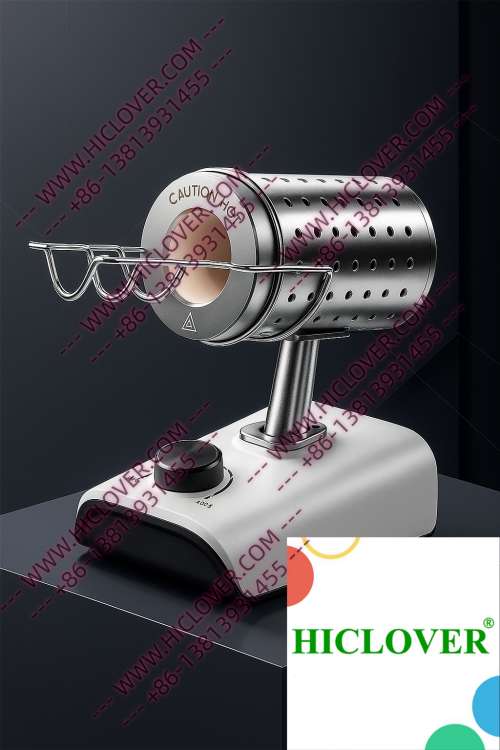
The Micro Incinerator is designed to deliver rapid thermal sterilization through advanced infrared technology. It operates by generating high-temperature infrared heat within an enclosed ceramic heating chamber, producing a clean heat flow that efficiently destroys microorganisms. This system is advantageous in preventing the contamination associated with traditional flame sterilizers like alcohol lamps or Bunsen burners, which may produce aerosols or leave residuals that could compromise the sterility of the working environment.
Unlike open flames, the infrared Micro Incinerator provides a confined and controlled sterilization process, promoting safety and efficiency. Additionally, its compact design makes it easy to integrate into various laboratory settings while ensuring compliance with clean room standards.
Applications of Micro Incinerators in Laboratory Settings
Micro Incinerators are versatile tools applicable in numerous laboratory scenarios. Here are two prominent application contexts:
1. Clinical Diagnostics in BSL-2 Labs
In clinical diagnostics, BSL-2 laboratories often handle potentially infectious agents. The use of infrared inoculating loop sterilizers allows laboratory personnel to safely sterilize inoculating loops and needles without the risk of flame-related accidents. Micro Incinerators are particularly invaluable for maintaining a clean-bench-safe environment, enabling rapid sterilization between samples and reducing the likelihood of cross-contamination. This ensures accurate test results while keeping lab workers safe from potential hazards.
2. University Teaching Labs
In academic settings, specifically in microbiology courses, the Micro Incinerator serves as an essential educational tool. Students learn proper aseptic techniques and the importance of contamination control in a safe manner. The infrared sterilizer allows them to engage in hands-on experiments without the threat of exposed flames, providing a practical learning experience while prioritizing safety. Furthermore, the ability to easily transport the device makes it suitable for mobile or field testing labs, facilitating sterilization in various educational or research contexts.
Compliance and Environmental Considerations
Adhering to WHO biosafety guidelines and lab sterilization standards is crucial for laboratories. Micro Incinerators meet these stringent requirements by employing no flame technology, making them suitable for clean rooms where even the smallest contaminants can jeopardize results. The enclosed design prevents exposure to airborne particles and aerosols, aligning with laboratory compliance protocols established for BSL-2 and BSL-3 facilities. Additionally, these devices help minimize environmental impact by reducing the necessity for flammable liquids and promoting a safer waste treatment pathway.
In cities like San Francisco or Boston, where labs are increasingly required to meet the highest safety standards, integrating Micro Incinerators into existing workflows addresses both compliance needs and practical sterilization challenges.
Comparison: Micro Incinerator vs. Traditional Flame Sterilizers
| Features | Micro Incinerator | Traditional Flame Sterilizers |
|---|---|---|
| Heat Source | Infrared | Open Flame |
| Safety | Reduced risk of fire | Potential hazards |
| Ease of Use | Quick setup | Requires fuel management |
| Contamination Control | Closed system | Aerosols produced |
| Portability | Lightweight, compact | Less portable |
Frequently Asked Questions (FAQs)
- What are the main benefits of using a Micro Incinerator in laboratory settings?
The Micro Incinerator offers enhanced safety, rapid sterilization, and effective contamination control without the risks associated with open flames. - Are Micro Incinerators compliant with biohazard safety standards?
Yes, they meet WHO biosafety standards and can be used in BSL-2 and BSL-3 labs, ensuring a safe operational environment. - How does the infrared sterilization process work?
Infrared sterilizers generate heat that rapidly incinerates microorganisms within a contained heating chamber, reducing the likelihood of airborne contaminants. - Can Micro Incinerators be used in field testing labs?
Yes, their lightweight and portable design make them ideal for mobile laboratory settings and field applications. - What is the typical lifespan of a Micro Incinerator?
With proper maintenance, Micro Incinerators can provide reliable performance for many years, ensuring consistent sterilization capability.
Conclusion
As laboratories strive to enhance their sterilization capabilities and maintain high safety standards, the Micro Incinerator / Infrared Inoculating Loop Sterilizer emerges as the quintessential tool for modern laboratory needs. Balancing efficiency, compliance, and safety, this remarkable device is ideally suited for various applications—from clinical diagnostics to teaching labs. We invite you to explore the benefits of adopting this innovative sterilization solution for your laboratory needs. Contact us today to learn more or to make a purchase tailored to your facility’s requirements!
Categories:
Tags: