
As laboratories continually face stringent biosafety regulations and the need for efficient sterilization processes, the challenge of safe and sustainable medical waste disposal has become increasingly important. In a landscape where laboratory biosafety and time-efficient sterilization workflows are paramount, sterile loop incinerators, particularly the Micro Incinerator or Infrared Inoculating Loop Sterilizer, have emerged as vital solutions. This article delves into the features, applications, compliance standards, and advantages of these innovative devices.
Understanding the Technical Principles of Sterile Loop Incinerators
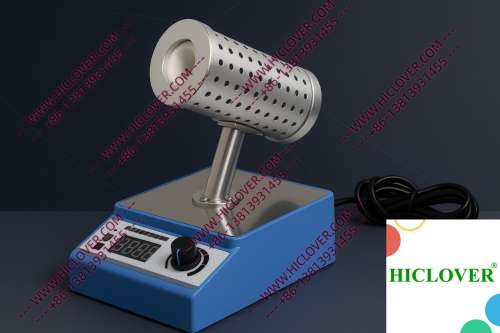
The Micro Incinerator operates on the principle of rapid thermal sterilization utilizing infrared heat. This equipment is designed with an enclosed ceramic heating chamber that generates high temperatures for effective disinfection. Unlike traditional flame sterilizers such as alcohol lamps and Bunsen burners that rely on open flames, this device provides a clean and controlled method of sterilization, making it ideal for use in biosafety cabinets and cleanrooms.
This enclosed chamber not only ensures contamination control but also minimizes the risk of aerosol generation, which can be hazardous in sensitive environments. The use of infrared high-temperature disinfection allows for thorough sterilization of inoculating loops, needles, and other laboratory equipment in mere seconds, thus streamlining laboratory workflows.
Applications in Real Laboratories
Biosafety Cabinet Operations
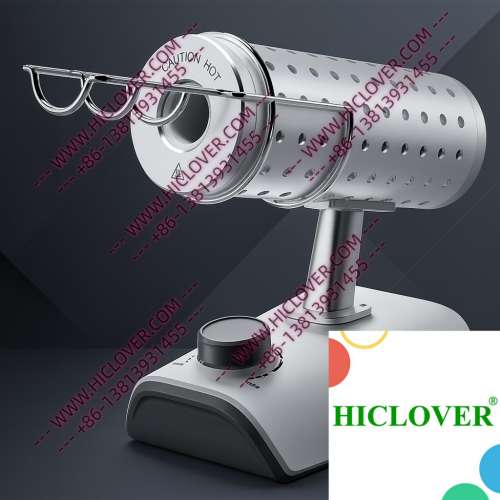
In a BSL-2 or BSL-3 microbiology lab, maintaining stringent sterilization protocols is crucial. The Micro Incinerator is particularly beneficial here since it allows for clean-bench-safe operation. Lab personnel can quickly sterilize inoculating loops between cultures without having to expose their work to the contamination risks associated with open flames. This not only improves safety but also enhances efficiency, allowing researchers to focus more on their experiments rather than on sterilization uncertainties.
Field Testing and Mobile Labs
In field testing environments, where mobility is essential, the compact design of the Micro Incinerator offers a significant advantage. Research teams carrying out clinical diagnostics or environmental sampling in remote areas can rely on this portable sterilizer to ensure that all instruments remain uncontaminated. The absence of flames also prevents fire hazards, making it safer to use in various outdoor settings.
Compliance with Biosafety Standards
The need for compliance with biosafety standards is non-negotiable in laboratory environments. According to the World Health Organization (WHO) and other regulatory bodies, laboratories must adhere to strict sterilization protocols to mitigate biohazard risks. The Micro Incinerator aligns with these standards by eliminating the necessity for open flames in cleanrooms, thereby enhancing safety and compliance across diverse laboratory settings.
This compliance is critical not only for laboratory safety but also for environmental considerations. As laboratories aim to reduce their carbon footprint, utilizing an energy-efficient sterilizer like the Micro Incinerator helps adhere to sustainable practices, making it a preferred choice among modern scientific facilities.
Advantages Over Traditional Flame Sterilizers
| Feature | Micro Incinerator | Traditional Flame Sterilizers |
|---|---|---|
| Heat Source | Infrared | Open Flame |
| Safety | Minimal risk of burns and aerosols | High risk of burns and fire hazards |
| Efficiency | Rapid sterilization in seconds | Varied, generally longer |
| Ease of Use | Simpler, no need for external fuel | Requires constant monitoring and refueling |
Frequently Asked Questions (FAQs)
- What is the main purpose of a Micro Incinerator?
The primary function is to provide rapid sterilization of laboratory instruments, ensuring no risk of contamination between samples. - Can the Micro Incinerator be used in BSL-3 labs?
Yes, it is designed to meet biosafety standards necessary for use in BSL-3 laboratories. - How does infrared heat compare to flame sterilization?
Infrared heat provides a consistent temperature quickly and without the hazards associated with open flames. - Is it safe to use under a biosafety cabinet?
Absolutely, its design supports safe and efficient operation within a biosafety cabinet. - What materials can be sterilized using the Micro Incinerator?
It’s suitable for a variety of laboratory equipment including inoculating loops, needles, and small utensils.
Conclusion
In conclusion, sterile loop incinerators represent a significant advancement in laboratory sterilization technology, providing a safe, efficient, and environmentally compliant solution for medical waste disposal. Their application in environments from research laboratories to field testing sites proves their versatility and reliability. For laboratories aiming to enhance their sterilization protocols while adhering to stringent safety standards, the Micro Incinerator or Infrared Inoculating Loop Sterilizer is an innovative choice. If you are interested in implementing this advanced technology in your facility, consider contacting us for more information or to schedule a demo today.
Categories:
Tags: