
In the realm of microbial research, maintaining sterility is not just a guideline; it is a fundamental requirement that can significantly influence the outcomes of experiments. From clinical diagnostics to academic labs, biosafety challenges are ever-present. Traditional methods of sterilization, such as alcohol lamps or Bunsen burners, come with their own set of disadvantages, including the generation of aerosols, potential for flame-related accidents, and contamination risks. Enter the Micro Incinerator, also known as the Infrared Inoculating Loop Sterilizer, a revolutionary tool that is transforming the way laboratories approach sterilization.
Technical Principles of Micro Incinerators
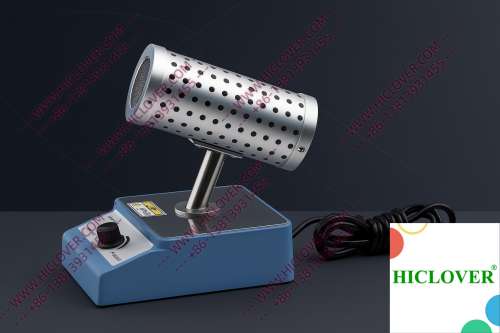
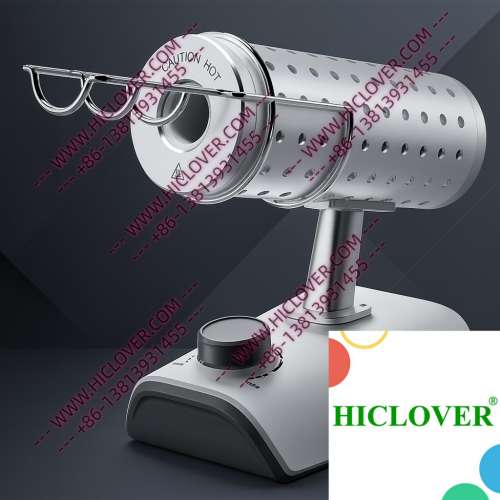
The Micro Incinerator operates on a sophisticated principle utilizing infrared heat to achieve rapid thermal sterilization within an enclosed ceramic heating chamber. Unlike traditional flame sterilizers, which can be hazardous and less efficient, this advanced sterilization tool minimizes risks, delivering an aerosol-free and clean-bench-safe solution. The ceramic tube generates high temperatures that are capable of immediate disinfection of inoculating loops, needles, and other small instruments, ensuring that microbial cultures remain uncontaminated.
Design Configuration and Benefits
- Compact and Portable: The Micro Incinerator’s design allows for easy placement in various lab settings, including BSL-2 and BSL-3 microbiology labs as well as university teaching laboratories.
- Efficiency: Rapid thermal cycles drastically reduce wait times compared to traditional methods, enhancing workflow efficiency and enabling researchers to focus more on their analysis.
- Eco-Friendly: With no flames involved, there is a significant reduction in the use of flammable materials, aligning with environmental standards and fostering a safer laboratory atmosphere.
Application Scenarios in Real Labs
1. Application in Biosafety Cabinets
Biosafety cabinets are critical for research involving pathogenic microorganisms. Using a Micro Incinerator within these cabinets ensures that all tools are sterile before use without the risk of flame damage to sensitive lab materials. This safe handling method protects both the operator and the environment while ensuring that the research environment maintains its integrity.
2. Field Testing Environments
In mobile or field testing labs, where traditional sterilization methods may not be practical, the lightweight and portable nature of the Micro Incinerator makes it an invaluable asset. Researchers can maintain sterility in situ while sampling in diverse environments, enhancing the reliability of field data collection without compromising biosafety.
Compliance and Environmental Considerations
According to the World Health Organization (WHO) biosafety directives, laboratories must implement stringent sterilization protocols to prevent contamination. Utilizing advanced sterilization tools such as the Micro Incinerator not only complies with WHO standards but also adheres to laboratory sterilization standards required in clinical diagnostics and research settings.
Moreover, in clean rooms or other controlled environments, the absence of flame significantly decreases the risk of ignition and related hazards. This feature makes Micro Incinerators highly preferable when conducting sensitive experiments that demand strict adherence to safety protocols.
Advantages Over Traditional Flame Sterilizers
| Feature | Micro Incinerator | Flame Burners |
|---|---|---|
| Operation Type | Infrared heat | Open flame |
| Safety | Aerosol-free handling | Risk of contamination & accidents |
| Speed | Rapid thermal sterilization | Variable flame control |
| Environment | Clean-bench-safe | Not recommended for cleanrooms |
Frequently Asked Questions
What types of tools can be sterilized with a Micro Incinerator?
The Micro Incinerator is ideal for sterilizing inoculating loops, needles, and other small instruments used in microbial research.
Is the Micro Incinerator suitable for teaching laboratories?
Yes, its compact design and safety features make it highly suitable for university teaching labs where students handle microbial cultures.
How does the Micro Incinerator ensure compliance with biosafety standards?
By utilizing high-temperature infrared sterilization, the tool minimizes contamination risks and aligns with WHO and local laboratory safety standards.
Can the Micro Incinerator be used outdoors or in field tests?
Absolutely! Its portable design allows for effective use in various field-testing environments, maintaining sterility away from traditional lab settings.
What are the cost advantages of using a Micro Incinerator over traditional methods?
In addition to enhancing efficiency and safety, the Micro Incinerator reduces the need for flammable materials and minimizes risks associated with open flames, leading to overall cost-effectiveness.
Conclusion
In today’s rapidly evolving research landscape, the Micro Incinerator represents a significant leap forward in laboratory sterilization technology. By enhancing microbial research through rapid, efficient, and safe sterilization methods, this innovative tool addresses pressing laboratory biosafety challenges with ease. It’s time to rethink conventional sterilization practices—consider integrating the Micro Incinerator into your lab workflow. For inquiries about purchasing or learning more about elevating your lab’s sterilization standards, please contact us!
Categories:
Tags: