
As the demand for laboratory biosafety grows, so does the need for effective sterilization solutions. Hospitals and microbiology labs face the critical challenge of ensuring that all instruments and surfaces are free from contamination. Proper sterilization is not merely a matter of compliance but is foundational to preventing hospital-acquired infections (HAIs) and ensuring the integrity of research findings. The Micro Incinerator or Infrared Inoculating Loop Sterilizer is emerging as a preferred choice among sterilization equipment in modern labs, providing innovative solutions to meet these challenges.
Technical Principles of Micro Incinerator Sterilization
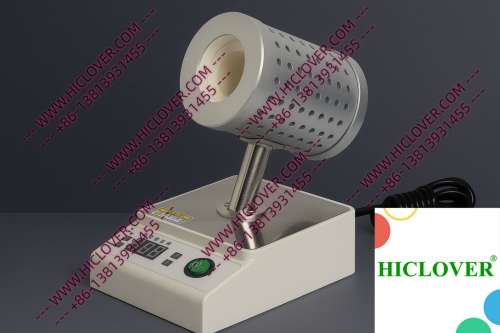
The Micro Incinerator operates on the principle of rapid thermal sterilization using infrared technology. Unlike traditional flame sterilizers like alcohol lamps and Bunsen burners, the Micro Incinerator features an enclosed ceramic tube that provides consistent high-temperature disinfection without the risks associated with open flames. The infrared heat generated within the ceramic chamber achieves temperatures sufficient to eliminate bacteria, viruses, and other pathogens almost instantaneously, offering a clean-bench-safe operation.
This advanced mechanism not only improves safety by minimizing the risk of aerosol production but also enhances workflow efficiency, allowing laboratory personnel to focus more on critical tasks than on managing bulky, traditional sterilization methods.
Application Scenarios in Real Labs
1. Use in Biosafety Cabinets
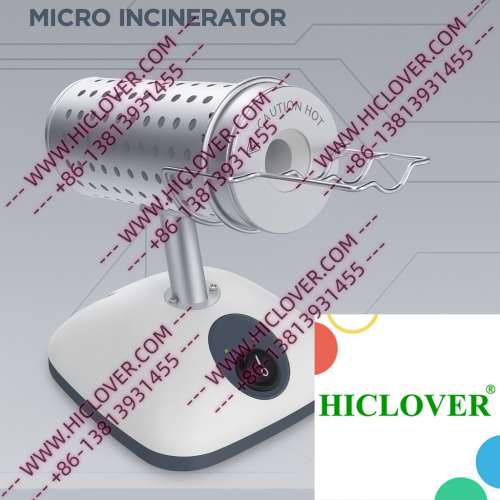
In BSL-2 or BSL-3 microbiology labs, the Micro Incinerator proves invaluable. When working within a biosafety cabinet, researchers often require a means of sterilizing inoculating loops between applications. The high-temperature capabilities of the Micro Incinerator ensure that all handled samples are never exposed to anything less than optimal sterilization conditions. The rapid sterilization also reduces the downtime typically associated with traditional methods, promoting asset efficiency.
2. Teaching Laboratories
Micro Incinerators are popular in university teaching labs where students learn microbiological techniques. The user-friendly design of the device enables novice users to operate it with minimal training while providing the safety required for an active learning environment. With bright, exposed infrared indicators, students can gauge the temperature visually and ensure procedures are executed with precision, driving home the importance of correct sterilization practices in laboratory work.
Compliance and Environmental Considerations
Compliance with established biosafety and sterilization standards is not just about operational efficiency; it’s about adherence to international guidelines such as those set forth by the WHO. According to lab sterilization standards, environments such as clean rooms prohibit the use of open flames to prevent contamination risks. The Micro Incinerator meets these compliance requirements, allowing labs to maintain sterile environments without compromising safety. Furthermore, the absence of flames during sterilization contributes to a lower carbon footprint, making it an environmentally-friendly option.
Comparison: Micro Incinerator vs. Traditional Flame Burners
| Feature | Micro Incinerator | Flame Burners |
|---|---|---|
| Sterilization Method | Infrared heat in a closed chamber | Open flame |
| Contamination Control | High | Moderate |
| Risk of Aerosol Production | Low | High |
| Operational Efficiency | Rapid (<1 min) | Varies (usually longer) |
| Cleanroom Compatibility | Yes | No |
Frequently Asked Questions
- What is the average sterilization time for a Micro Incinerator? The average sterilization time is usually under one minute, making it one of the most efficient methods available.
- Can the Micro Incinerator be used in field testing labs? Yes, its portable design makes it ideal for field testing without the risk of open flames.
- How does the Micro Incinerator ensure user safety? The enclosed design and rapid heat generation minimize the risk of burns and contamination.
- What types of samples can be sterilized with it? It is suitable for a variety of microbiological tools, including inoculating loops, spatulas, and needles.
- Is training required to use the device? While minimal training is needed, operators should understand basic sterilization principles and device function for optimal efficacy.
Conclusion
In an era where the integrity and safety of laboratory procedures are non-negotiable, the Micro Incinerator/Infrared Inoculating Loop Sterilizer stands out as a cornerstone of lab sterilization protocols. Its innovative design not only enhances operational efficiencies but also ensures compliance with rigorous safety standards. Embracing this technology can help hospitals and research facilities achieve their sterility standards while navigating the complexities of microbiology sterilization. For more information on how you can enhance your laboratory sterilization processes, do not hesitate to reach out to us.
Categories:
Tags: