
In the modern laboratory environment, biosafety challenges and sterilization workflow demands are growing significantly. As laboratories expand their capabilities and engage in diverse research activities, they are compelled to adopt sterilization methods that guarantee both effectiveness and rapid response. Traditional methods, such as alcohol lamps and Bunsen burners, often pose hazards, especially in clean rooms or sensitive environments. This is where field portable loop sterilizers like the Micro Incinerator or Infrared Inoculating Loop Sterilizer come into play.
Understanding the Technical Principles
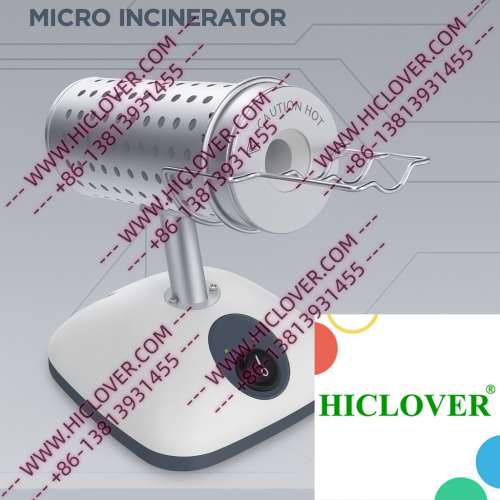
The core technology behind the Micro Incinerator utilizes infrared heat and a specially designed enclosed ceramic tube to achieve rapid thermal sterilization. Unlike open flame sterilizers, which can generate aerosolized contaminants and risk cross-contamination, the infrared loop sterilizer operates in a clean-bench-safe manner. The ceramic heating chamber reaches high temperatures quickly, providing high-efficiency disinfection while eliminating the flame hazard commonplace in traditional methods.
Applications in Real Laboratories
1. Field Testing Labs
In field testing environments, especially in remote locations or mobile research units, rapid sterilization methods are crucial. For example, environmental biologists collecting samples of flora and fauna often need to process their samples in situ to avoid contamination. The Micro Incinerator can be powered via portable generators, ensuring immediate sterilization of inoculating loops and ensuring the integrity of the samples collected.
2. University Teaching Labs
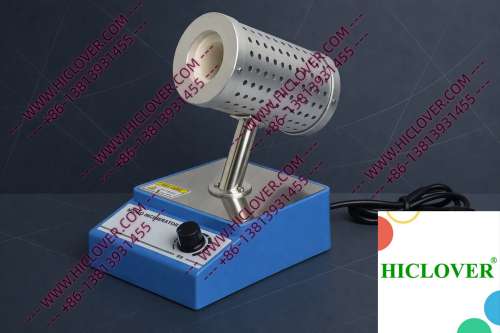
In educational settings, particularly in university microbiology laboratories, teaching future scientists to prioritize biosafety and clean handling practices is paramount. Many instructors are now integrating infrared inoculating loop sterilizers into their curriculum to demonstrate effective sterilization techniques without the risks associated with open flames. This not only maximizes student safety but also establishes better control over contamination, mirroring practices in BSL-2 and BSL-3 environments.
Compliance and Environmental Standards
The sterilization methods employed in laboratories must adhere to stringent biosafety standards set forth by organizations such as the WHO. In clean environments, the use of open flames is often prohibited due to the risk of aerosolization and flame hazards. Utilizing infrared sterilizers aligns seamlessly with regulatory compliance, ensuring a sterile work environment while facilitating safe practices in sensitive lab operations. Moreover, these devices support environmental safety; they generate less chemical waste compared to traditional alcohol lamps.
Micro Incinerator vs. Traditional Flame Burners
| Feature | Micro Incinerator | Flame Burners |
|---|---|---|
| Safety | High: No open flame, reduced risk of fire | Moderate: Risk of burns and fire hazards |
| Efficiency | Rapid: Instant heating with less energy | Slower: Requires time to establish flame |
| Contamination Control | Excellent: Aerosol-free handling | Limited: Potential for aerosolized contaminants |
| Portability | High: Suitable for field use | Low: Not advisable for remote applications |
FAQs About Micro Incinerators
- What is the primary benefit of using a Micro Incinerator over traditional flame sterilizers? The Micro Incinerator provides greater safety, efficiency, and contamination control.
- Can it be used in BSL-2 and BSL-3 laboratories? Yes, the Micro Incinerator is compliant with biosafety standards and is well-suited for use in these laboratories.
- How does it achieve rapid thermal sterilization? It uses infrared heat generated within an enclosed ceramic tube for high-temperature disinfection.
- Is the device portable enough for field research? Absolutely! Its compact design allows easy transportation for field testing applications.
- What environmental considerations are there for using this sterilizer? It reduces chemical waste and eliminates flame hazards, aligning with global environmental safety standards.
Conclusion
In an era of heightened biosafety concerns and increasing demand for efficient sterilization methods, the Micro Incinerator / Infrared Inoculating Loop Sterilizer stands out as a vital tool for laboratories. Whether you are operating in a clinical setting, a teaching laboratory, or engaging in mobile fieldwork, the advantages of using these advanced sterilizers are undeniable. Their alignment with compliance standards, combined with their ability to ensure high-level sterilization without the risks associated with traditional flame burners, makes them an essential addition to any laboratory toolkit.
For more information about acquiring a Micro Incinerator or to discuss specific needs for your laboratory, please feel free to contact us today!
Categories:
Tags: