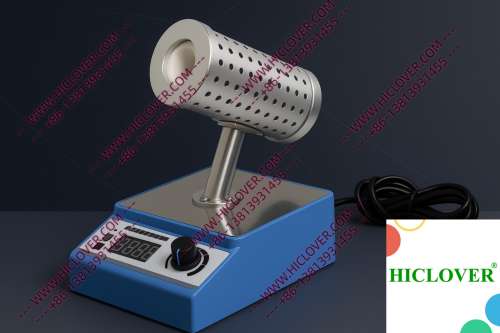
In the bustling environment of UK laboratories, maintaining strict biosafety and robust sterilization protocols is more critical than ever. Whether in a BSL-2 microbiology lab or a clinical diagnostics facility, the challenges of contamination control are paramount. Traditional flame sterilizers, like alcohol lamps and Bunsen burners, while widely used, present several safety risks, including open flames that can compromise clean-room integrity. This paper explores the innovative solutions offered by the Micro Incinerator / Infrared Inoculating Loop Sterilizer and its advantages over conventional methods.
Fundamental Technical Principles of Infrared Sterilization
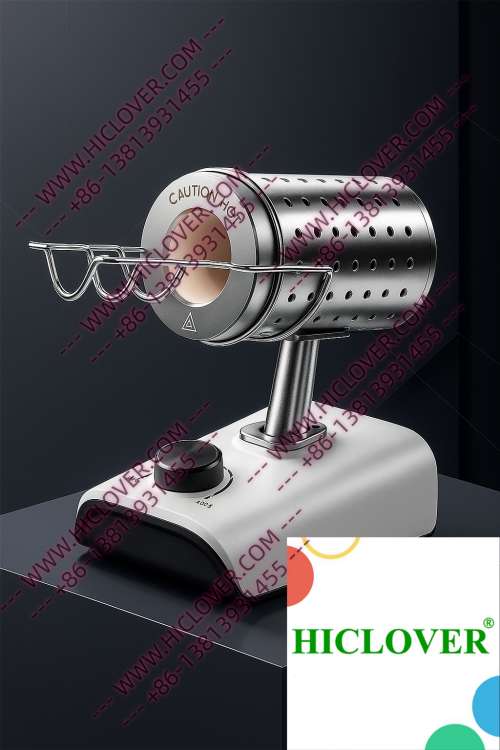
The micro incinerator leverages rapid thermal sterilization through infrared heat, a method that significantly minimizes contamination risks while enhancing efficiency. Utilizing an enclosed ceramic heating chamber, these devices achieve temperatures ranging from 600 to 800°C, allowing for high-temperature disinfection in mere seconds. The enclosed design provides a clean and safe environment, ideal for sterile handling, particularly in biosafety cabinets where aerosol-free methodologies are essential.
Advantages of Infrared Loop Sterilizers Over Traditional Methods
- Rapid Cycle Time: Infrared sterilizers can heat loops more quickly than flame methods, reducing downtime and improving laboratory workflows.
- Clean-Bench Safe: The lack of open flame means less risk of contamination in sensitive environments.
- Aerosol-Free Handling: Minimizes the chances of airborne pathogens affecting lab personnel or experiment outcomes.
- Energy Efficiency: Infrared heating targets only the inoculating loops, conserving energy.
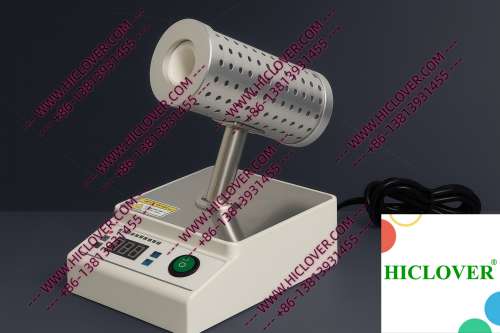
Application Scenarios in Real Labs
1. University Teaching Laboratories
In university settings, where students are learning critical microbiology techniques, the Micro Incinerator is a game-changer. Imagine a classroom filled with students practicing aseptic techniques under the guidance of an instructor. Each student can efficiently sterilize their inoculating loop, instantly preparing for the next step without the laborious process involved with flame methods. This accelerates the learning process, maintains safety protocols, and instills best practices in upcoming scientists.
2. Biosafety Cabinets in Clinical Labs
Clinical diagnostics labs often operate under strict biosafety guidelines. The presence of pathogenic organisms requires that any form of sterilization minimizes contamination risks. The Micro Incinerator fits seamlessly into biosafety cabinets, allowing for safe sterilization practices without introducing flames into the sterile workspace. Laboratories focus on compliance with WHO biosafety standards, and this device aids significantly in achieving that, ensuring that the critical work remains uninterrupted and sterile.
Compliance and Environmental Considerations
Adhering to global standards of laboratory sterilization is crucial for research accuracy and workplace safety. WHO biosafety guidelines emphasize the importance of using sterilization methods that reduce aerosol generation and ensure safe handling techniques. With increasing regulations in the UK regarding laboratory safety, the shift away from open flames has become a necessary evolution.
Moreover, compliance with UK laboratory sterilization standards calls for methods that do not compromise cleanroom environments. Infrared sterilizers help meet these stringent requirements, reducing risk while enhancing operational workflows.
Comparison of Micro Incinerator vs. Flame Burners
| Feature | Micro Incinerator | Flame Burners |
|---|---|---|
| Rapid Thermal Sterilization | Yes | No |
| Open Flame | No | Yes |
| Aerosol-Free Handling | Yes | No |
| Energy Efficiency | High | Variable |
| Cleanup and Maintenance | Minimal | Moderate |
FAQs
What is a Micro Incinerator / Infrared Inoculating Loop Sterilizer?
A Micro Incinerator is a laboratory device designed to sterilize inoculating loops and needles using infrared heat, providing a rapid and efficient alternative to flame sterilizers.
How does infrared sterilization work?
The device generates high temperatures through infrared radiation, effectively killing bacteria and other pathogens on the surface of metallurgical instruments within seconds.
Are Micro Incinerators safe to use in teaching labs?
Yes, they are designed to be safe for educational environments, eliminating the risks associated with open flames and enabling students to learn proper aseptic techniques.
What are the energy requirements for operating a Micro Incinerator?
Micro Incinerators are energy-efficient, using lower levels of energy compared to traditional flame sources, making them cost-effective for laboratory operations.
Do Micro Incinerators meet WHO biosafety standards?
Yes, these devices are compliant with WHO guidelines aiming to minimize contamination in laboratory settings, making them an excellent choice for high-standard laboratories.
Conclusion
In conclusion, the adoption of Micro Incinerator / Infrared Inoculating Loop Sterilizers in UK laboratories marks a pivotal shift in laboratory sterilization practices. These devices not only enhance safety and efficiency but also elevate compliance with rigorous biosafety standards. If you’re a laboratory supply distributor, a hospital, or a university looking to modernize your sterilization processes, consider investing in these innovative solutions to stay ahead in safety and operational excellence.
For further inquiries or to discuss purchase options, please contact us today!
Categories:
Tags: