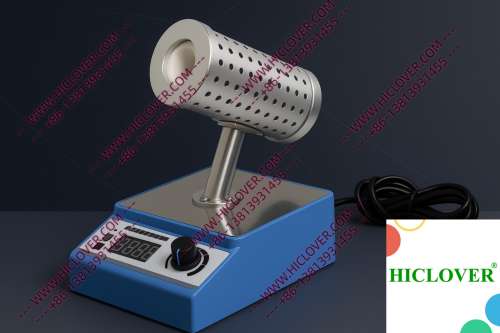
In the rapidly evolving landscape of laboratory biosafety, the demand for efficient and effective sterilization solutions has never been greater. Laboratories face practical challenges in ensuring cleanliness, preventing contamination, and complying with stringent safety regulations. These challenges have ignited interest in advanced sterilization technologies, notably the Micro Incinerator / Infrared Inoculating Loop Sterilizer. This article delves into its innovative features, applications, and compliance aspects, shedding light on its significance within modern laboratory environments, particularly in Abu Dhabi’s state-of-the-art labs.
The Science Behind Advanced Sterilization
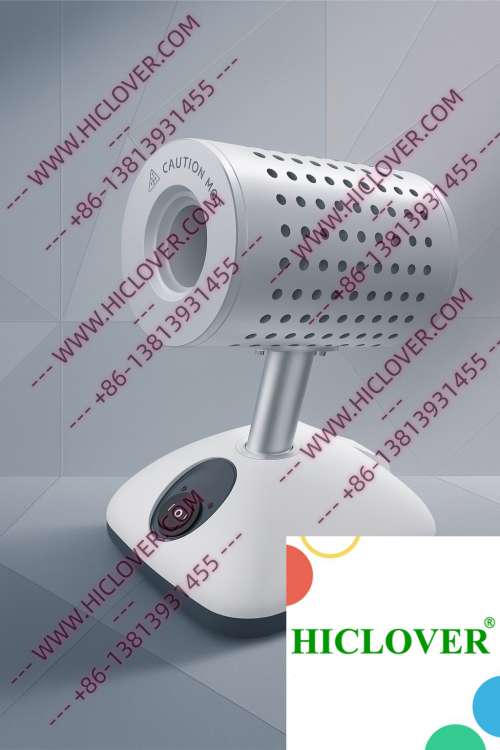
At the heart of the Micro Incinerator technology lies the principle of rapid thermal sterilization. Utilizing infrared heat, this technology ensures instant and thorough disinfection. The device typically comprises an enclosed ceramic tube that generates high temperatures, reaching up to 850°C, allowing for efficient sterilization of inoculating loops and similar instruments.
The enclosed design not only enhances safety but also minimizes the risk of aerosol generation, a crucial factor when working in sensitive environments such as BSL-2 and BSL-3 microbiology labs. Unlike traditional flame sterilizers like alcohol lamps and Bunsen burners, which can introduce risk factors like soot deposits and accidental fires, infrared sterilizers provide a clean, controlled, and quick solution for disinfection.
Applications in Diverse Laboratory Settings
1. Practical Applications in Biosafety Cabinets
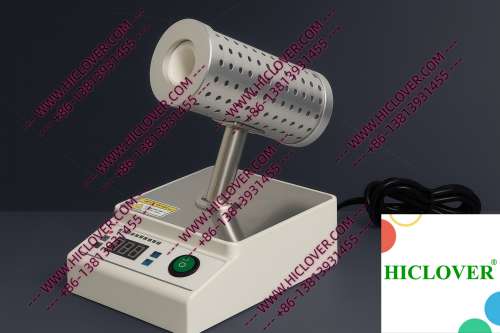
In many clinical and research laboratories situated in Abu Dhabi, the Micro Incinerator is commonly employed within biosafety cabinets. This application scenario is particularly beneficial in fields requiring high levels of contamination control. For instance, during microbiological assays involving pathogenic strains, researchers utilize the Micro Incinerator to sterilize loops and needles quickly, preventing cross-contamination without exposing themselves to an open flame.
2. Field Testing and Mobile Lab Scenarios
Another significant application can be found in mobile or field testing labs. In situations where access to electricity is limited, portable versions of the Micro Incinerator are utilized for quick sterilization directly in the field. This is critical for agencies conducting environmental sampling or rapid diagnostics in remote locations, where the assurance of instrument sterility can greatly impact the reliability of test results.
Compliance with Global Safety Standards
Compliance with safety regulations is of paramount importance in laboratory operations. The World Health Organization (WHO) establishes biosafety guidelines that laboratories must adhere to, emphasizing the need for stringent sterilization protocols. The Micro Incinerator aligns well with these requirements, providing an effective alternative to traditional flame-based sterilization methods.
Moreover, many laboratories are shifting towards flame-free methods, especially in clean-room environments where the presence of open flames could jeopardize integrity. Utilizing infrared technology, the Micro Incinerator offers:
- Minimized Risk: No open flames reduce the potential of accidental fires.
- Aerosol-Free Handling: The closed system prevents the release of aerosols, protecting both lab personnel and the environment.
- Efficient Workflow: With rapid heating and disinfection capabilities, workflows are enhanced, reducing downtime between experiments.
Comparison of Sterilization Technologies
| Feature | Micro Incinerator | Flame Burners |
|---|---|---|
| Heating Method | Infrared | Open Flame |
| Temperature Control | Precise | Variable |
| Safety | Higher (enclosed design) | Lower (risk of burns/fire) |
| Contamination Risk | Minimal | Higher (soot, aerosols) |
| Portability | Available | Limited |
FAQs on Micro Incinerator Technology
What are the key benefits of using a Micro Incinerator over traditional flame sterilizers?
The Micro Incinerator offers multiple advantages, including higher safety, reduced contamination risk, and precise temperature control. Unlike flame sterilizers that produce soot and can lead to variable heating, the Micro Incinerator ensures instant and effective sterilization without the associated hazards of fire.
How does the Micro Incinerator operate in a BSL-3 laboratory?
In BSL-3 labs, the Micro Incinerator is employed within biosafety cabinets for sterilizing disposable and reusable instruments. Its closed-system design makes it ideal for maintaining sterility and preventing contamination within a controlled environment.
Can the Micro Incinerator be used for field testing?
Yes, many portable variations exist for the Micro Incinerator, making them ideal for field testing where quick and effective sterilization is crucial, particularly amidst limited resources.
Is there a risk of aerosols when using the Micro Incinerator?
There is minimal risk of aerosol generation with the Micro Incinerator due to its enclosed design, making it safer for laboratory environments.
What compliance standards does the Micro Incinerator meet?
The Micro Incinerator complies with WHO biosafety guidelines and various laboratory sterilization standards, ensuring reliable and safe sterilization processes in diverse laboratory settings.
Conclusion
The Micro Incinerator / Infrared Inoculating Loop Sterilizer represents a significant advancement in sterilization technology, particularly vital for modern laboratory operations in Abu Dhabi and beyond. Its rapid thermal sterilization, enhanced safety features, and practical applications in both controlled labs and field settings make it a superior alternative to traditional flame sterilizers.
For laboratories striving to enhance their biosafety protocols and improve their sterilization workflows, investing in a Micro Incinerator is a strategic decision. Contact us today to learn more about how this technology can transform your laboratory practices!
Categories:
Tags: