
Laboratories around the world face increasing challenges related to biosafety, workflow efficiency, and effective sterilization protocols, especially in the context of handling microbial cultures and specimens. The requirement for rapid thermal sterilization is now paramount, making the transition from traditional flame-based sterilizers to innovative solutions like the Micro Incinerator or Infrared Inoculating Loop Sterilizer essential. With sensor technology integrated into sterilization equipment, the landscape of laboratory sterilization is evolving, ensuring that researchers can maintain high levels of safety while streamlining their procedures.
Understanding the Technical Principles of Infrared Loop Sterilizers
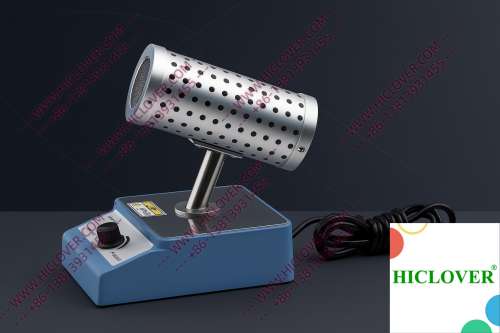
The Micro Incinerator utilizes cutting-edge infrared heating technology to achieve a level of contamination control that surpasses conventional methods, such as alcohol lamps and Bunsen burners. At the heart of this device is an enclosed ceramic heating chamber that provides rapid and uniform heating, reaching high temperatures necessary for effective sterilization. The sensor technology incorporated into these units enhances monitoring and control, allowing for precise temperature regulation and reducing the risk of overheating or under sterilization.
This configuration allows lab technicians to maintain a clean-bench-safe environment, devoid of the aerosols generated by flame sterilizers. The Micro Incinerator offers a highly efficient, portable solution that merges safety with efficacy, ensuring that your laboratory meets stringent standards for microbial contamination control.
Application Scenarios in Real Laboratory Environments
1. Working within Biosafety Cabinets
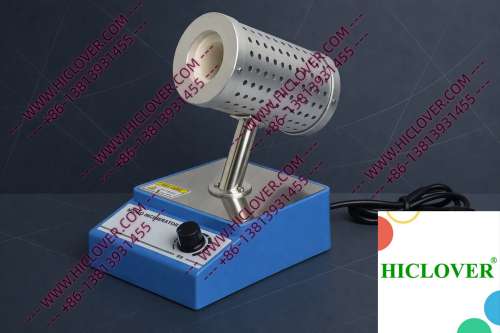
In BSL-2 and BSL-3 microbiology laboratories, the use of a Micro Incinerator is particularly advantageous. Researchers can perform sterilization of inoculating loops directly inside biosafety cabinets, minimizing the risk of contamination due to aerosols while handling infectious agents. The rapid thermal sterilization capability ensures that the inoculating loops are up to a sterilized state in a matter of seconds, allowing for quick turnaround times in experiments without compromising safety.
2. Field Testing and Mobile Labs
Field testing often presents unique challenges, particularly concerning the sterilization of tools and instruments in less controlled environments. The lightweight design and battery-operated functionalities of modern infrared inoculating loop sterilizers make them ideal for mobile lab settings. These devices can be effortlessly transported to various geographical locations, ensuring effective sterilization of loops even when access to traditional sterilization sources is limited.
Regulatory Compliance and Environmental Considerations
Adhering to the World Health Organization (WHO) guidelines and regional laboratory safety standards is crucial for laboratory operations. The shift towards using flame-based sterilizers can pose risks within clean rooms, where open flames may lead to contamination and hazardous conditions. Infrared sterilizers, including the Micro Incinerator, eliminate open flames, addressing the need for compliance with stringent lab sterilization standards.
By incorporating sensor technology into their design, these sterilizers not only achieve effective disinfection but also support laboratories in demonstrating adherence to safety protocols. The non-aerosol nature of these sterilizers makes them safe for both user handling and the environment, aligning with contemporary practices in laboratory sterilization.
Comparison of Micro Incinerator vs. Traditional Flame Sterilizers
| Feature | Micro Incinerator | Flame Sterilizers |
|---|---|---|
| Heating Method | Infrared Heating | Open Flame |
| Control | Precise Temperature & Time Control | Manual Control |
| Safety | Enclosed Design, Aerosol-Free | Risk of Fire & Contamination |
| Portability | Lightweight, Battery-Operated | Generally Stationary |
| Speed | Rapid Thermal Sterilization | Varied Time |
Frequently Asked Questions
- What is the primary benefit of using an infrared loop sterilizer over a traditional flame sterilizer? The primary benefit lies in safety and efficiency, providing a rapid, controlled, and non-aerosol method for sterilization.
- How does the sensor technology enhance the performance of a Micro Incinerator? Sensor technology enables precise temperature control and real-time feedback, ensuring consistent sterilization results.
- Can the Micro Incinerator be used in field testing environments? Yes, its portable design and battery-operated capabilities make it suitable for use in various field test scenarios.
- What are the compliance implications associated with using traditional flame sterilizers in clean environments? Traditional flame sterilizers can introduce contamination risk and do not align with several biosafety and cleanliness guidelines applied to clean rooms.
- Are there any maintenance requirements for the Infrared Inoculating Loop Sterilizer? Minimal maintenance is required, primarily involving routine cleaning of the ceramic chamber to ensure optimal performance.
Conclusion
The Micro Incinerator / Infrared Inoculating Loop Sterilizer represents a breakthrough in laboratory sterilization technology. As laboratory supply distributors, hospitals, universities, and research centers increasingly prioritize safety, compliance, and workflow efficiency, adopting such innovative solutions becomes critical. If you’re looking to enhance your laboratory’s sterilization protocols, consider upgrading to a Micro Incinerator—it’s not just about sterilization; it’s about setting new standards in biosafety and operational excellence.
For assistance with purchasing or further inquiries about the Micro Incinerator, feel free to contact us. Your laboratory safety and efficiency are our top priorities.
Categories:
Tags: