
In the realm of microbiology, the challenges of laboratory biosafety are paramount. From contamination control to ensuring that cultures remain uncontaminated, the methods of sterilization play a crucial role in the laboratory workflow. With the increasing demand for standards compliance and safety, microbiologists are often faced with the question: what is the most effective sterilization equipment for their specific needs? One solution that stands out is the Micro Incinerator, or Infrared Inoculating Loop Sterilizer. This article explores its advantages over traditional sterilization methods and outlines the key considerations for modern laboratories.
Understanding Infrared Sterilization
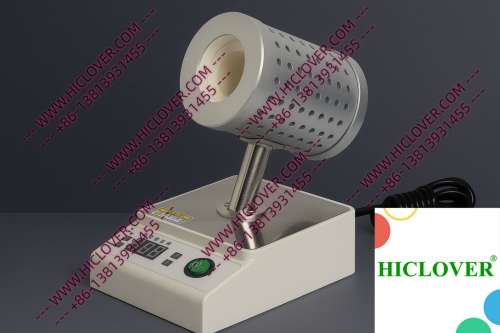
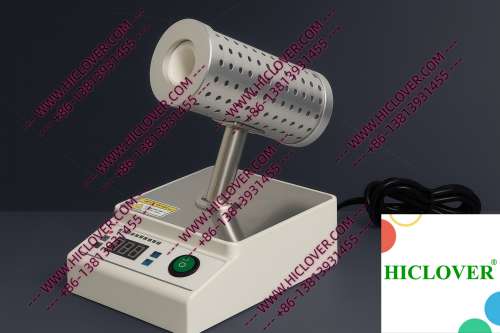
The principle behind the Micro Incinerator is rapid thermal sterilization through infrared heat. Unlike traditional flame sterilizers such as alcohol lamps and Bunsen burners, which produce an open flame, the Micro Incinerator employs an enclosed ceramic heating chamber that ensures high-temperature disinfection without the risk of fire hazards. The device utilizes infrared technology to heat the inoculating loop quickly, providing efficient sterilization within seconds.
Benefits Over Traditional Flame Sterilizers
- Aerosol-free handling: The enclosed design prevents the release of aerosols that could contaminate the working environment.
- Clean-bench-safe: Ideal for use within biosafety cabinets without compromising the integrity of airflow.
- Compact and portable: Designed for ease of use in various laboratory settings and field applications.
- Consistent sterilization: Guarantees uniform heating, thus reducing the risk of thermal damage to sensitive samples.
- What is the heating time for a Micro Incinerator?
The heating time typically ranges from 5 to 10 seconds, ensuring rapid sterilization. - Is the Micro Incinerator safe to use in clean rooms?
Yes, it is designed specifically for clean rooms, eliminating open flames and reducing contamination risk. - Can it be used for different sizes of inoculating loops?
Most Micro Incinerators come with adaptors for various loop sizes. - How does it compare to traditional sterilizers?
It offers faster sterilization, no risk of fire, and is more compact, making it an excellent choice for modern laboratories. - What maintenance does a Micro Incinerator require?
Regular cleaning of the ceramic tube and ensuring the heating element is functioning are usually sufficient.
Real-World Applications in Microbiology Labs
The versatility of the Micro Incinerator lends itself to various laboratory settings, ranging from BSL-2 and BSL-3 microbiology labs to teaching labs in universities.
Application Scenario 1: Biosafety Cabinets
In biosafety cabinets, where maintaining a sterile environment is crucial, the Micro Incinerator serves as an excellent tool for rapid sterilization. During microbe handling, microbiologists can quickly sterilize their inoculating loops without disrupting the airflows that protect sensitive cultures. This not only saves time but also promotes a higher standard of biosafety by minimizing potential contamination risks.
Application Scenario 2: Field Testing Labs
Mobile laboratories or field testing labs often face unique challenges due to limited power sources and the necessity for portability. The Micro Incinerator is battery-operated, allowing microbiologists to conduct safe and efficient sterilization in the field. This is particularly valuable for environmental testing or outbreak investigations, where rapid results are critical.
Compliance and Environmental Standards
Adhering to regulatory standards is vital in laboratory operations. Organizations such as the World Health Organization (WHO) have developed guidelines for biosafety that emphasize the importance of sterilization. The Micro Incinerator aligns well with these standards, as it provides a flame-free solution that eliminates the risks associated with traditional flame sterilization methods, particularly in clean rooms where flammable materials may be present.
Additionally, compliance with laboratory sterilization standards mandates that all sterilization processes minimize the risk of contamination. The use of a Micro Incinerator ensures that microbiologists keep in line with these regulations while enhancing safety protocols within the lab environment.
FAQs About Micro Incinerators
Comparison Table: Micro Incinerator vs. Traditional Flame Burners
| Feature | Micro Incinerator | Traditional Flame Burners |
|---|---|---|
| Heating Method | Infrared thermal | Open flame |
| Risk of Fire | No | Yes |
| Portability | High | Medium |
| Time to Sterilize | 5-10 seconds | Variable |
| Aerosol Production | None | Generally present |
| Cleansing Requirements | Low | Medium to high |
Conclusion
The evolution of microbial sterilization devices has led to innovations such as the Micro Incinerator, which enhances workflow efficiency and biosafety compliance in laboratories. Whether working in a BSL-2 lab, engaged in clinical diagnostics, or teaching students in a university setting, the advantages of using this state-of-the-art technology are clear. For more information and to explore purchasing options tailored to your laboratory’s needs, we encourage you to reach out to our team today.
Categories:
Tags: