
In today’s fast-paced laboratory environment, ensuring efficient sterilization while maintaining biosafety is a constant challenge. Field researchers, educators in university teaching labs, and clinical diagnosticians require reliable methods to minimize contamination risks without compromising workflow. Traditional sterilization methods, like flame-based systems, have limitations, particularly in terms of safety and effectiveness. Enter the Micro Incinerator or Infrared Inoculating Loop Sterilizer – a game-changer designed for modern laboratory sterilization needs.
Understanding the Micro Incinerator: Technical Principles
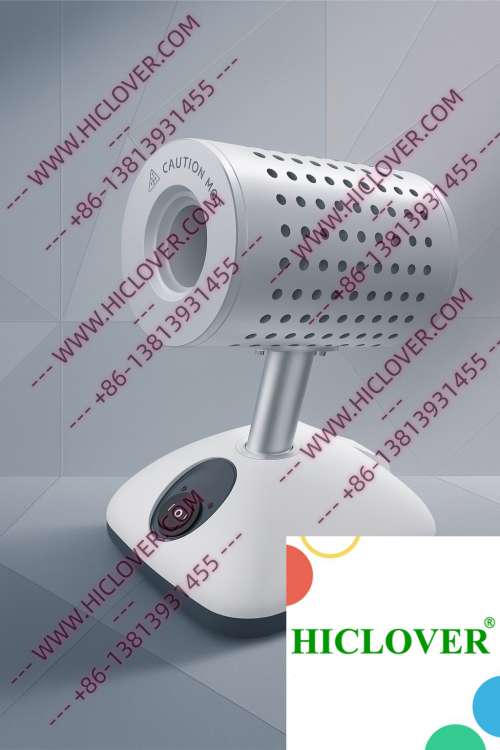
The Micro Incinerator operates using advanced infrared heating technology. Unlike traditional flame sterilizers that produce soot and require careful handling, this innovative device utilizes an enclosed ceramic tube heated by infrared radiation. This method provides rapid thermal sterilization, ensuring high-temperature disinfection without the risk of open flames or aerosols.
The advantages of the ceramic heating chamber include:
- Environmentally Friendly: No flames mean no heat-based damage to surroundings.
- Portability: Lightweight and battery-operated options make it ideal for fieldwork.
- Time Efficiency: Quickly sterilizes inoculating loops and instruments, enabling swift lab work.
Application Scenarios for Portable Sterilization Devices
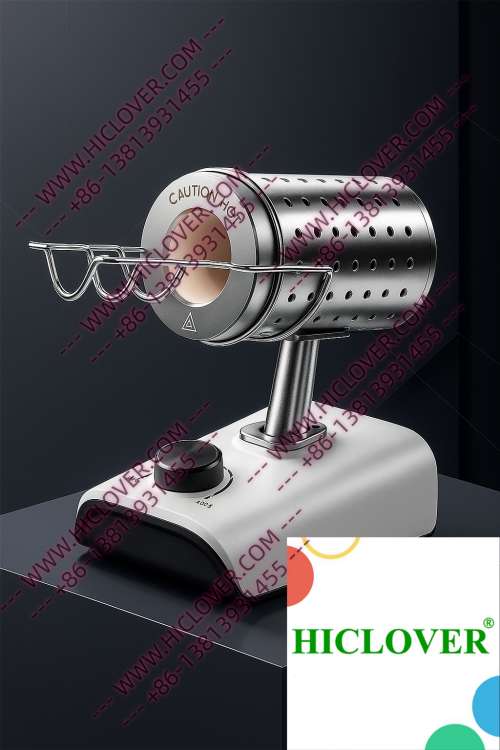
Biosafety Cabinet Operations: Micro Incinerators are increasingly being integrated into BSL-2 and BSL-3 microbiology labs. The enclosed design allows researchers to operate seamlessly within a biosafety cabinet, providing an effective way to sterilize instruments without contamination risks. Their rapid sterilization capability replaces traditional alcohol lamps or Bunsen burners, enhancing airflow safety and maintaining sterile conditions.
Field Testing in Remote Locations: Field researchers working in challenging geographic conditions will find the Micro Incinerator invaluable. For example, biologists conducting tests in tropical climates often struggle with conventional sterilization equipment due to accessibility and resource limitations. The compact nature and battery-powered options allow them to carry out necessary sterilization procedures on-site, ensuring reliable results and maintaining environmental compliance.
Compliance and Environmental Consideration
Adhering to biosafety standards is crucial for laboratory operations, particularly in sensitive environments. The World Health Organization (WHO) and other regulatory bodies mandate strict sterilization practices to prevent contamination and ensure public health safety.
Traditional open-flame sterilizers can pose hazards in cleanrooms where flammable materials are present. Moreover, the absence of flames significantly diminishes the risk associated with aerosol generation, a critical factor in laboratories performing infectious work. With the Micro Incinerator, laboratories can meet stringent standards while promoting a safe working environment.
Comparison: Micro Incinerator vs. Traditional Flame Burners
| Feature | Micro Incinerator | Traditional Flame Burners |
|---|---|---|
| Heat Source | Infrared Heating | Open Flame |
| Portability | Highly Portable | Less Portable |
| Safety | No Flames | Fire Hazard |
| Time Efficiency | Rapid Sterilization | Longer Heating Time |
| Application | Biosafety & Field Testing | Traditional Laboratory Settings |
FAQs: Inoculating Loop Sterilizers Explained
1. What are the main benefits of using a Micro Incinerator in a laboratory?
The Micro Incinerator offers rapid, safe sterilization without the hazards associated with flames. Its portability makes it ideal for both field research and traditional lab settings.
2. Can a Micro Incinerator replace traditional sterilization methods entirely?
Yes, the Micro Incinerator can replace traditional alcohol lamps and Bunsen burners, providing more effective and safe sterilization in various applications.
3. How do I maintain a Micro Incinerator?
Routine maintenance involves cleaning the ceramic tube and ensuring the device is charged or has fresh batteries. Regular checks can ensure effective performance.
4. Is the Micro Incinerator compliant with laboratory safety standards?
Absolutely. The Micro Incinerator meets and exceeds various well-known biosafety standards set forth by organizations like the WHO, promoting safe practices in laboratory environments.
5. What types of laboratories benefit most from using a Micro Incinerator?
Micro Incinerators are particularly beneficial in BSL-2 and BSL-3 labs, university teaching facilities, and field-testing labs due to their safety and efficiency.
Conclusion
As laboratory demands evolve, so too must our methods of sterilization. The Micro Incinerator / Infrared Inoculating Loop Sterilizer is at the forefront of this revolution, providing researchers and educators with essential tools for effective contamination control in diverse environments. Elevate your sterilization practices today by reaching out to us for your Micro Incinerator needs.
Categories:
Tags: