
In the rapidly evolving landscape of laboratory environments, the need for effective and efficient sterilization solutions is paramount. Researchers, healthcare professionals, and educators face numerous biosafety challenges daily, including containment of pathogens, cross-contamination, and maintaining sterile workspaces. Traditional flame sterilization methods, while functional, often produce soot, require careful handling of flammable materials, and can pose fire hazards in clean rooms. Enter the Micro Incinerator, also known as the Infrared Inoculating Loop Sterilizer, which revolutionizes the approach to rapid thermal sterilization.
Advantages of Infrared Heating Technology
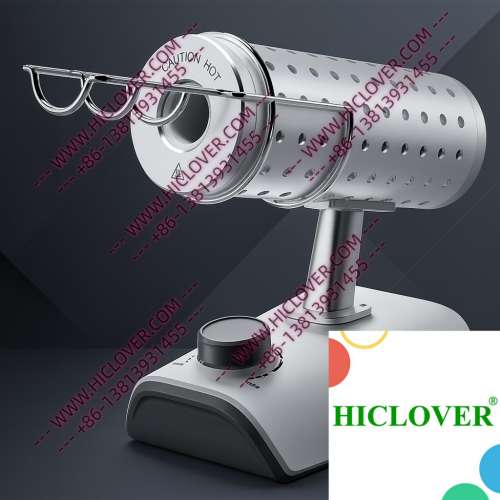
The Micro Incinerator utilizes infrared heating technology to deliver high-temperature disinfection. Unlike traditional Bunsen burners or alcohol lamps, which can introduce contaminants through combustion byproducts, these portable loop sterilizers offer a clean and controlled environment for sterilization. The enclosed ceramic tube houses the heating element, ensuring minimal aerosol generation during the sterilization process, making it safe for use in a biosafety cabinet.
The micro incinerator heats up swiftly, allowing lab personnel to achieve temperatures exceeding 800°C in mere seconds, resulting in effective sterilization of inoculating loops and other small lab tools. This rapid thermal heating minimizes downtime, enhancing workflow efficiency in busy research and clinical settings.
Applications in Real Lab Scenarios
1. Biosafety Cabinets
In BSL-2 and BSL-3 microbiology labs, maintaining strict contamination control is vital. Researchers can use portable loop sterilizers within biosafety cabinets to quickly and effectively sterilize loops between inoculations. The Micro Incinerator ensures that no hazardous aerosols are generated during the sterilization process, allowing scientists to prioritize biosafety without sacrificing efficiency.
2. Field Testing
Field testing poses unique challenges, particularly in remote locations where traditional lab setups aren’t feasible. The Micro Incinerator’s portability allows technicians to perform sterilization on-site, ensuring that samples collected from the environment are not contaminated during processing. This capability is essential for maintaining the integrity of materials when conducting environmental studies or conducting clinical diagnostics in non-traditional settings.
Regulatory Compliance and Environmental Considerations
In a world where biosafety standards are constantly evolving, compliance with regulations set forth by organizations like the World Health Organization (WHO) and the Centers for Disease Control and Prevention (CDC) becomes paramount. The Micro Incinerator aligns with regulatory guidelines regarding sterilization methods, particularly in environments where open flames are deemed hazardous.
Clean rooms, especially those utilizing CO₂ incubators or anaerobic chambers, benefit from the non-flammable nature of the Micro Incinerator. With no open flame, the risk of fire hazards is eliminated, making it safer for use in high-stakes laboratory environments while still providing effective contamination control.
Biosafety Compliance Reference
“The WHO recommends using sterilization methods that do not produce aerosols or contaminants, especially in settings requiring high biosafety containment.”
Comparison: Micro Incinerator vs. Traditional Flame Burners
| Features | Micro Incinerator | Flame Burners |
|---|---|---|
| Heating Method | Infrared heat | Combustion |
| Portability | Highly portable | Less portable |
| Contamination Risk | Minimal (no soot) | High (soot and aerosols) |
| Startup Time | Instant | Requires ignition time |
| Safety in Clean Areas | Safe, flame-free | Hazardous, open flame |
FAQs About Micro Incinerators
- What are the primary uses of a Micro Incinerator?
Micro Incinerators are primarily used for sterilizing inoculating loops, needles, and other small laboratory implements. - How is the Micro Incinerator more effective than traditional methods?
This device offers instant sterilization without the risks associated with open flames, making it incredibly effective in various lab environments. - Is it safe to use in a biosafety cabinet?
Yes, the Micro Incinerator is designed to eliminate aerosol generation, making it perfect for use in biosafety cabinets. - How portable is the Micro Incinerator?
This device is lightweight and compact, ideal for field testing or mobile lab setups. - How do I maintain the Micro Incinerator?
Regular cleaning of the ceramic tube and ensuring the unit is stored properly will extend its lifespan and performance.
Conclusion
As the laboratory sector continues to evolve, the need for efficient, effective sterilization methods becomes clearer. The Micro Incinerator not only addresses contemporary biosafety challenges but also enhances operational workflows. By investing in this advanced sterilization technology, laboratories can ensure compliance with global health standards while embracing a safer, flame-free operating environment. For more information or to place an order, feel free to reach out to us—your gateway to modern sterilization solutions awaits!
Categories:
Tags: