
In modern laboratory environments, the increasing need for stringent biosafety measures and effective contamination control has brought about significant challenges. Whether operating in a BSL-2 or BSL-3 microbiology lab, conducting field tests, or teaching in university labs, maintaining an efficient sterilization workflow is paramount. Traditional flame sterilizers, such as alcohol lamps and Bunsen burners, pose inherent risks, from the emission of aerosols to the potential for flame-related accidents. This is where advanced sterilization equipment, such as the Micro Incinerator / Infrared Inoculating Loop Sterilizer, steps in to revolutionize laboratory hygiene solutions.
Technical Principles of Infrared Sterilization
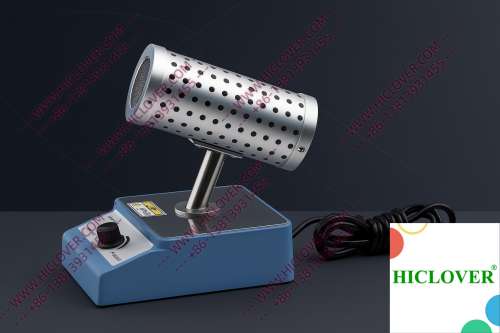
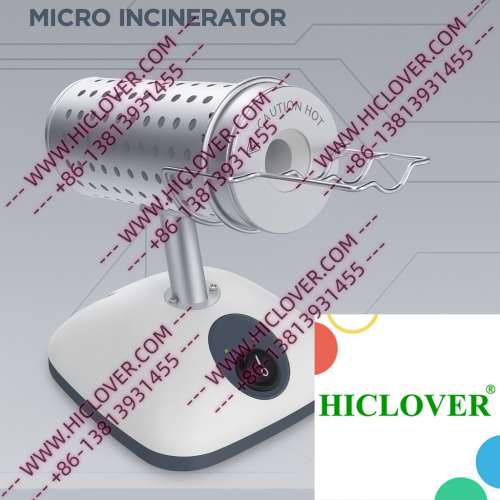
The Micro Incinerator operates on the principle of rapid thermal sterilization through infrared heat. Unlike conventional flame-based systems, it utilizes an enclosed ceramic heating chamber that generates high temperatures quickly and consistently without exposing the workspace to open flames. The infrared technology ensures that sterilization occurs effectively and uniformly across the inoculating loop or other instruments placed within its reach.
Key components of the Micro Incinerator include:
- Ceramic Heating Chamber: This unique feature enhances the durability and efficiency of the sterilization process. The ceramic surface is resistant to thermal shocks, ensuring longevity.
- Temperature Control: The device allows precise temperature management, crucial for optimal sterilization without damaging sensitive materials.
- Compact Design: The device’s mobility makes it ideal for lab environments where space is limited or for field testing laboratories.
Application Scenarios in Real Laboratories
1. Biosafety Cabinets in BSL-2 Labs
In BSL-2 laboratories, which work with pathogens that pose moderate risks to personnel and the environment, compliance with safety regulations is non-negotiable. The Micro Incinerator is an essential tool for sterilizing loops and tools inside biosafety cabinets. Its aerosol-free handling feature minimizes any risk of cross-contamination while ensuring rapid sterilization between bacterial cultures.
2. Field Testing and Mobile Labs
When it comes to field testing, laboratories often face restrictions on equipment and resources. The lightweight and portable design of the Micro Incinerator allows researchers to perform effective sterilization on-site without the need for bulky, flameless systems. Whether it is assessing new environmental samples or proximity testing in rural areas, the sterilizer enhances the safety protocols and prevents contamination in sensitive field environments.
Compliance with Global Biosafety Standards
Globally, organizations such as the World Health Organization (WHO) dictate stringent biosafety standards that laboratories must follow to ensure staff and environmental protection. Compliance mandates clean and safe sterilization practices, especially in clinical diagnostics and microbiological research. The Micro Incinerator meets these biosafety criteria, prioritizing both safety and efficacy in sterilization workflows.
Furthermore, its design eliminates open flames, making it a clean-bench-safe equipment in environments where flame use is strictly prohibited, such as in CO₂ incubators or anaerobic chambers. This shift not only enhances safety but also promotes a cleaner working environment, reducing the overall contamination risk.
Comparative Overview: Micro Incinerator vs. Traditional Flame Sterilizers
| Feature | Micro Incinerator | Flame Sterilizers |
|---|---|---|
| Heating Mechanism | Infrared Heat | Open Flame |
| Contamination Risk | Aerosol-Free | High – Aerosols Common |
| Power Source | Electric | Gas/Alcohol |
| Mobility | Portable | Bulky |
| Compliance with Clean Room Standards | Yes | No |
Frequently Asked Questions (FAQs)
1. What is the primary advantage of using a Micro Incinerator over traditional methods?
The Micro Incinerator provides rapid thermal sterilization without the risks associated with open flames, ensuring that there is no aerosol generation, making it much safer for use in sensitive environments.
2. Can the Micro Incinerator be used in laboratories with strict cleanliness requirements?
Yes, the Micro Incinerator complies with cleanroom standards, making it suitable for environments that prohibit the use of open flames.
3. How long does it take to sterilize an inoculating loop?
The sterilization process is almost instantaneous, typically taking just a few seconds to achieve the necessary temperature for effective disinfection.
4. Is the Micro Incinerator suitable for field testing labs?
Absolutely! Its compact and portable design makes it ideal for field testing, providing users easy access to sterilization in remote locations.
5. What types of samples can the Micro Incinerator sterilize?
The Micro Incinerator is primarily designed to sterilize inoculating loops and similar lab equipment used in microbiological studies.
Conclusion: Elevate Your Laboratory Operations
Incorporating advanced sterilization technology, such as the Micro Incinerator, into mobile labs not only enhances biosafety measures but also allows for seamless operational workflows. With its rapid and efficient sterilization capabilities, laboratories can comply with stringent hygiene standards while minimizing contamination risks. For healthcare institutions, research centers, and educational organizations, investing in such cutting-edge solutions is essential for maintaining safety and efficacy in laboratory operations. Contact us today to learn more about how the Micro Incinerator can augment your laboratory sterilization processes.
Categories:
Tags: