
In today’s microbiological laboratories, maintaining a sterile environment is a fundamental challenge. Issues such as contamination control and biosafety protocol adherence demand innovative solutions. Traditional flame sterilizers, such as alcohol lamps and Bunsen burners, often struggle to meet the rigorous standards required in BSL-2 and BSL-3 lab settings. The advent of advanced sterilization technologies, particularly the Micro Incinerator or Infrared Inoculating Loop Sterilizer, is transforming the laboratory sterilization workflow, enhancing safety and efficiency.
Understanding the Micro Incinerator
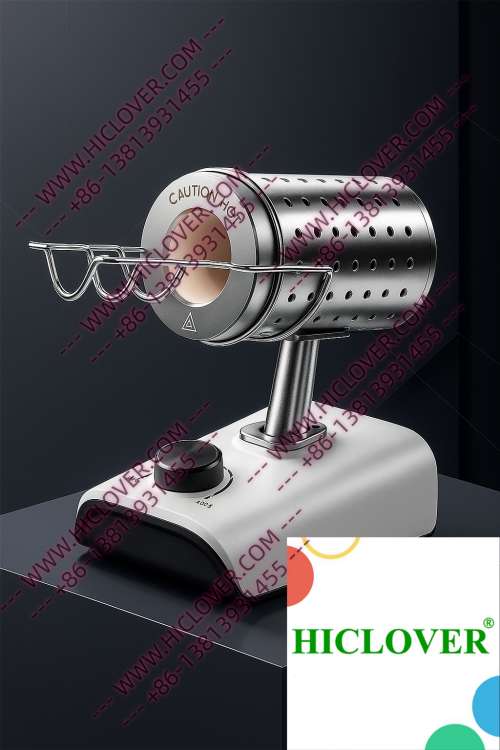
The Micro Incinerator operates on the principle of rapid thermal sterilization, utilizing infrared heat for effective inoculating loop sterilization. The device features an enclosed ceramic heating chamber that allows for high-temperature disinfection without the open flame associated with traditional methods. This design not only reduces aerosol formation but also minimizes the risks associated with combustible materials found in flame-based sterilization methods.
Advantages Over Traditional Flame Sterilizers
- Safety: Eliminates open flames, mitigating the risk of fire hazards in laminar flow and cleanroom environments.
- Efficacy: Achieves rapid sterilization at higher temperatures, reducing the time required for effective sterilization.
- Convenience: Operates with minimal maintenance and provides easy temperature regulation.
- Contamination Control: Enclosed design prevents aerosol generation, improving lab safety.
- Portability: Ideal for field testing and mobile lab environments.
- What sets the Micro Incinerator apart from traditional flame sterilizers?
Its enclosed design offers enhanced safety and effective sterilization without the hazards associated with open flames. - Can the Micro Incinerator be used in field testing labs?
Yes, its portability and efficiency make it an excellent choice for mobile lab environments. - What biosafety standards does the Micro Incinerator comply with?
It adheres to WHO guidelines and is suitable for use in BSL-2 and BSL-3 laboratory environments. - Is the Micro Incinerator suitable for university teaching labs?
Absolutely; it provides a safe and effective way for students to learn essential sterilization techniques. - How does infrared heat sterilization work?
The device’s ceramic heating element generates infrared energy, achieving rapid heating that destroys microbial life effectively.

Application Scenarios in Laboratory Settings
1. University Teaching Labs
In educational settings, especially in university microbiology labs, the Micro Incinerator proves invaluable. Students learn critical aseptic techniques while using a device that emphasizes safety. The sterile environment contributes to accurate experimental results and enhances student understanding of contamination control.
2. BSL-2/BSL-3 Clinical Diagnostics
In clinical diagnostic labs, particularly those operating under BSL-2 or BSL-3 regulations, the Micro Incinerator plays a crucial role in ensuring protocol compliance. The rapid thermal sterilization capabilities allow microbiologists to efficiently process samples, minimizing wait times and enhancing throughput while adhering to strict biosafety standards.
Biosafety Compliance and Environmental Considerations
The World Health Organization (WHO) has established stringent guidelines for biosafety in laboratories. Compliance with biosafety standards is critical for laboratories handling infectious pathogens. The Micro Incinerator aligns with these regulations, providing an effective solution that meets sterilization requirements while supporting laboratory safety protocols.
Compliance against Traditional Methods
| Feature | Micro Incinerator | Flame Sterilizers |
|---|---|---|
| Open Flame | No | Yes |
| Heating Element | Ceramic Tube | Alcohol/Bunsen |
| Contamination Control | High | Medium |
| Safety Features | High | Moderate |
| Temperature Control | Precise | Variable |
Frequently Asked Questions
Conclusion
The evolution of sterilization technologies, characterized by devices like the Micro Incinerator or Infrared Inoculating Loop Sterilizer, addresses the pressing biosafety challenges faced by microbiology labs today. By embracing advanced sterilization methods, laboratories can improve their contamination control practices while adhering to stringent compliance regulations. For those interested in enhancing their laboratory capabilities, we invite you to explore the benefits of adopting modern sterilization solutions. Reach out to us for more details on how the Micro Incinerator can meet your lab’s needs.
Categories:
Tags: