
As cities embrace the complexities of modern health care, Beirut’s hospitals are spearheading a sterilization revolution that addresses chronic biosafety challenges. In particular, the advent of advanced sterilization equipment—like the Micro Incinerator or Infrared Inoculating Loop Sterilizer—has transformed infection control protocols in clinical environments.
Laboratory Biosafety Challenges and the Need for Advanced Solutions
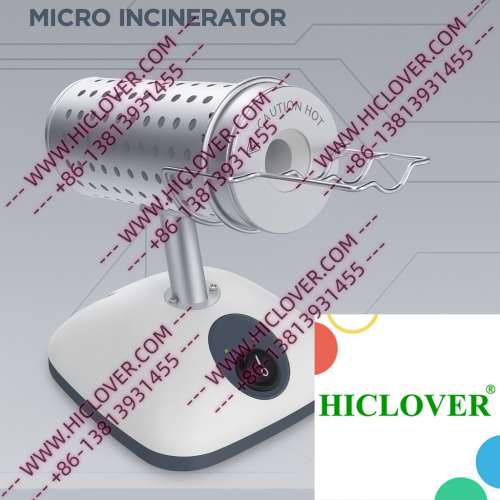
Laboratories, particularly those classified as BSL-2 or BSL-3, face numerous biosafety challenges. These can include contamination risks from pathogens, unreliable sterilization methods, and the requirement for efficient workflow integration. Traditional flame sterilizers, such as alcohol lamps and Bunsen burners, may introduce additional hazards, including open flames and potential bioaerosol production, which can compromise both safety and regulatory compliance.
The Technical Principle Behind Micro Incinerators
At the heart of the Micro Incinerator is a cutting-edge thermal sterilization mechanism. This device employs infrared heat within an enclosed ceramic tube, allowing rapid thermal sterilization without the need for open flames. The enclosed design not only enhances safety but also curtails the potential for cross-contamination. With high-temperature disinfection capabilities, the Micro Incinerator delivers a level of reliability that far surpasses traditional flame sterilizers.
Key Features of the Micro Incinerator
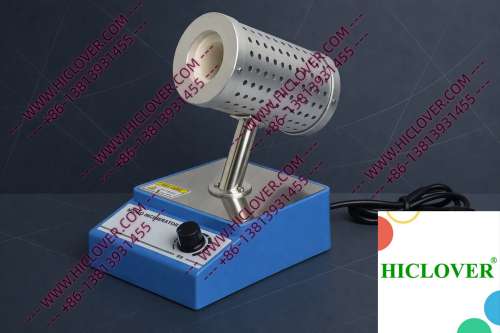
- Rapid Thermal Response: Heats quickly to optimal sterilization temperatures.
- Clean-Bench-Safe Design: Eliminates the risk of aerosols that traditional flame sterilizers can introduce.
- Ceramic Heating Chamber: Provides a consistent heat source while minimizing the risk of external fires.
- Portability: Ideal for mobile or field testing labs where accessibility may be limited.
Application Scenarios in Real Labs
Scenario 1: Biosafety Cabinets
In BSL-2 laboratories, where strict contamination control policies are in place, the Micro Incinerator provides a game-changer. When integrated into biosafety cabinets, it allows for uninterrupted workflows in the preparation of microbial cultures while ensuring complete sterilization of inoculating loops and other instruments. By using infrared sterilization, researchers minimize the risk of flames igniting hazardous materials, keeping the environment cleaner and safer for sensitive experiments.
Scenario 2: Teaching Laboratories
In university teaching labs, the Micro Incinerator has made a significant impact as well. Students can have hands-on experiences with sterilization techniques without the risks associated with handling flames. Providing a controlled educational environment enables future microbiologists and researchers to learn proper genus handling and infection control protocols.
Compliance with Global Standards
Adhering to international biosafety standards is crucial in the medical and research fields. The World Health Organization (WHO) emphasizes the need for effective sterilization methods to prevent microorganism spread and outbreaks. As traditional methods like Bunsen burners pose challenges—especially in clean rooms—the Micro Incinerator stands out due to its efficacy and compliance with lab sterilization standards.
Its design excludes open flames, making it an ideal solution for environments where clean and sterile operations are paramount. Compliance ensures that hospitals and research facilities can focus on advancing health care without compromising on safety.
Comparison of Sterilization Methods
| Feature | Micro Incinerator | Flame Burners |
|---|---|---|
| Flame-Related Hazards | No | Yes |
| Contamination Control | High | Moderate |
| Temperature Stability | Consistent | Variable |
| Ease of Use | User-Friendly | Requires Training |
| Compliance with Clean Room Standards | Yes | No |
FAQs about the Micro Incinerator
What is the primary function of a Micro Incinerator?
The Micro Incinerator is designed for rapid thermal sterilization of inoculating loops and other lab tools using infrared heat, significantly improving efficiency and safety in labs.
How does the Micro Incinerator enhance biosafety in teaching labs?
By eliminating open flames, the Micro Incinerator provides a safer environment for students learning about sterilization techniques, reducing the risk of accidents.
Is the Micro Incinerator compliant with international sterilization standards?
Yes, it meets the sterilization standards set by WHO and other global health authorities, ensuring optimal safety and efficiency in laboratory settings.
Can the Micro Incinerator be used in field testing?
Absolutely! Its portable design makes it ideal for field testing labs where reliable sterilization methods are necessary under varied conditions.
How does infrared sterilization compare to traditional flame methods?
Infrared sterilization allows for controlled and rapid heating, reducing contamination risks inherent to flame methods, which can introduce aerosols and affect sterile environments.
Conclusion: Join the Sterilization Revolution
Beirut’s hospitals, through the adoption of advanced sterilization techniques like the Micro Incinerator, are at the forefront of improving public health safety standards. By transitioning from traditional flame sterilizers to this innovative technology, medical facilities are enhancing biosafety and infection control. If you wish to learn more about elevating your sterilization protocols, contact us today to explore purchasing options for the Micro Incinerator—because there’s no time to waste in the fight against infection.
Categories:
Tags: