
In laboratories worldwide, maintaining stringent biosafety standards is a critical challenge that directly affects research outcomes. The demand for effective sterilization solutions has led to an evolution in laboratory sterilization equipment. One of the leading innovations addressing these challenges is the Micro Incinerator, also known as the Infrared Inoculating Loop Sterilizer. This article will delve into the operational principles, application scenarios, compliance issues, and benefits of using heated ceramic sterilizers, specifically in microbiology labs.
The Importance of Effective Laboratory Sterilization
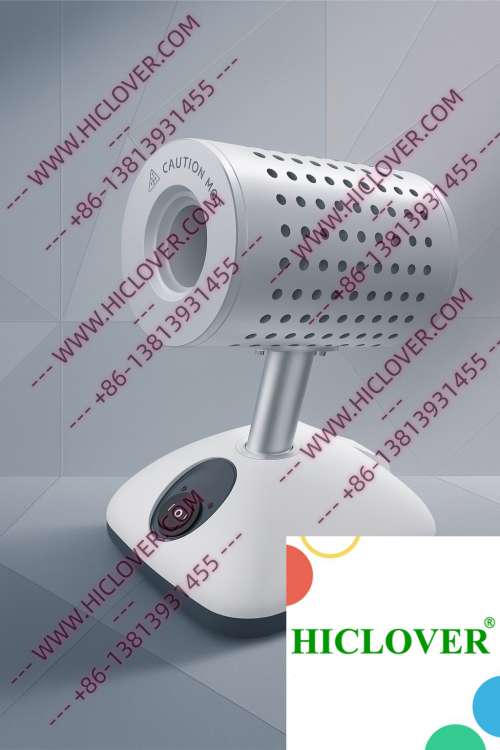
Research laboratories, especially those operating under Biosafety Levels 2 (BSL-2) and 3 (BSL-3), face numerous challenges regarding contamination control. Traditional sterilization methods, such as alcohol lamps and Bunsen burners, pose multiple risks, including aerosol generation and incomplete sterilization. Furthermore, the combustion process can lead to hazardous fumes, making these methods unsuitable for clean-room environments where molecular contamination must be strictly controlled. As such, there is a pressing need for systems that ensure rapid thermal sterilization without compromising laboratory safety.
Understanding the Micro Incinerator: Operating Principles
The Micro Incinerator utilizes infrared heat technology, leveraging an enclosed ceramic heating chamber to achieve high-temperature disinfection effectively. This device provides a flame-free sterilization option tailored for sterile environments, significantly reducing the risk of contamination compared to traditional burners. With a heating rate that can reach up to 800°C (1472°F) within seconds, the Micro Incinerator allows for immediate sterilization of inoculating loops and other laboratory tools.
- Infrared Heating: Provides rapid thermal sterilization without the risks associated with open flames.
- Enclosed Design: Prevents aerosol generation and minimizes exposure to harmful combustion byproducts.
- Energy Efficient: Consumes less energy compared to traditional flame sterilizers.
- Reduction of fire hazards in laboratories.
- Compliance with cleanroom protocols.
- Lower carbon footprint due to efficient energy use.
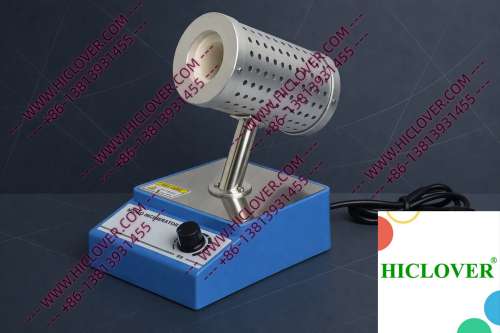
Application Scenarios in Real Laboratories
1. BSL-2 Laboratories
In BSL-2 microbiology labs, researchers handle potential pathogens that may pose a moderate health risk. The Micro Incinerator is particularly advantageous here, as it allows for quick and effective sterilization of instruments without generating aerosols that could compromise the sterility of the environment. The high-temperature sterilization eliminates microbial contaminants, enhancing worker safety and ensuring compliance with regulatory standards.
2. University Teaching Labs
Teaching labs at universities often involve inexperienced users who may not be well-versed in traditional flame handling techniques. The Micro Incinerator presents a safer alternative for sterilization during microbiology practicals. The predictable and instant heating capability allows students to focus on their experiments without the fear of accidents related to flame use, thereby improving the overall learning experience.
Compliance and Environmental Considerations
Compliance with laboratory sterilization standards set by bodies such as the World Health Organization (WHO) is crucial. These standards recommend sterilization methods that minimize risk while effectively eliminating pathogens. Traditional flame sterilizers are often prohibited in clean rooms due to their combustion processes, which can release particulate matter and fumes that contaminate the sterile environment.
The Micro Incinerator’s design ensures that it meets these biosafety standards. By utilizing a flame-free sterilization process, it aligns with lab safety requirements and offers additional benefits such as:
Comparison: Micro Incinerator vs. Traditional Flame Burners
| Feature | Micro Incinerator | Flame Burners |
|---|---|---|
| Operational Safety | Flame-free, low-risk | Open flame, higher risk |
| Contamination Control | Minimal aerosol generation | Potential for aerosol contamination |
| Heating Speed | Instant heating up to 800°C | Variable heating based on fuel |
| Energy Efficiency | Highly efficient | Less efficient, fuel-dependent |
FAQs: Addressing Common Concerns
What is a Micro Incinerator used for?
A Micro Incinerator is primarily used for the sterilization of inoculating loops and other laboratory tools without the risks associated with flames.
Is the Micro Incinerator suitable for use in field testing?
Yes, the portable nature and quick operation of the Micro Incinerator make it ideal for mobile or field testing labs where consistent sterilization is vital.
How does the Micro Incinerator contribute to biosafety compliance?
The design minimizes aerosol generation and enhances sterility assurance, aligning with biosafety protocols required in research laboratories.
Can I use the Micro Incinerator in cleanroom environments?
Yes, its flame-free operation makes it safe and compliant for use in cleanrooms, as it reduces contamination risks significantly.
What makes the Micro Incinerator better than traditional flame sterilizers?
It offers enhanced safety, instant sterilization without combustion byproducts, and better energy efficiency, making it an essential tool in modern laboratories.
Conclusion
The Micro Incinerator is revolutionizing the approach to sterilization in laboratories by providing a safe, efficient, and environmentally-friendly solution. Its advanced technology addresses the core challenges faced by researchers in BSL-2 and BSL-3 labs and is shaping the future of contamination control practices. For laboratories aiming to enhance their sterilization workflow and comply with international biosafety standards, investing in a Micro Incinerator may prove to be a game-changer. Contact us today to explore how this innovative device can meet your laboratory needs and elevate your sterilization practices.
Categories:
Tags: