
In an epoch where biosafety in laboratories is more critical than ever, the quest for effective sterilization methods has taken center stage. Singaporean hospitals and laboratories face unique challenges regarding contamination control and sterilization workflows, especially in environments demanding stringent safety protocols. The rise of loop sterilizers, particularly the Micro Incinerator / Infrared Inoculating Loop Sterilizer, is addressing these challenges while enhancing the efficiency of sterilization processes.
Addressing Laboratory Biosafety Challenges
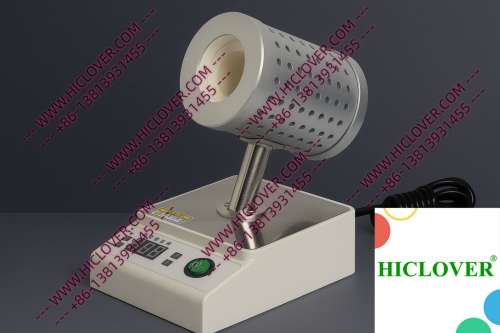
Laboratories must maintain a sterile environment to avoid contamination and ensure the integrity of experiments. Traditional methods like alcohol lamps and Bunsen burners pose risks such as flame hazards, aerosol generation, and uneven sterilization. Moreover, in sensitive work environments such as Biosafety Level 2 (BSL-2) and Level 3 (BSL-3) labs, the introduction of any open flame can increase the risk of fire and compromise safety protocols.
The Technical Principle of Infrared Technology
The Micro Incinerator operates on the principle of rapid thermal sterilization through an enclosed ceramic tube that generates infrared heat. This ceramic heating chamber allows for precise temperature control, ensuring high-temperature disinfection without the risk of open flames. The technology ensures that inoculating loops can be sterilized quickly and effectively, allowing for efficient handling of biological samples.
Comparing Micro Incinerators to Traditional Flame Sterilizers
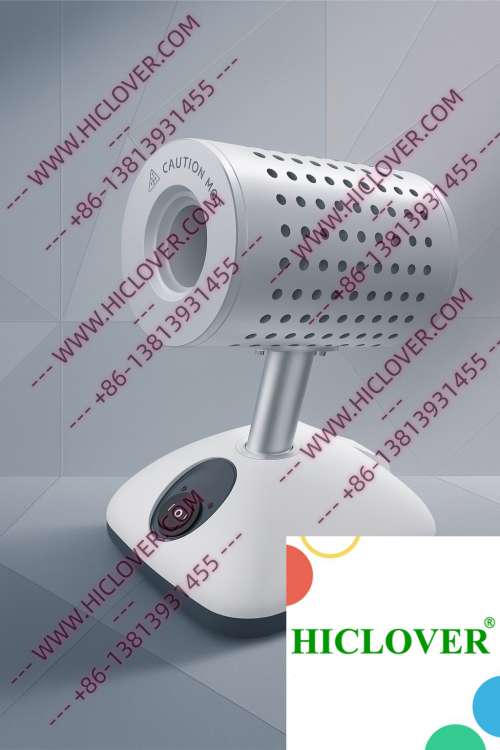
| Feature | Micro Incinerator | Flame Sterilizers |
|---|---|---|
| Heat Generation | Infrared Heating | Open Flame |
| Safety | Flame-Free | Fire Hazard |
| Contamination Control | Aerosol-Free Handling | Potential Aerosol Generation |
| Efficiency | Rapid Sterilization | Variable Results |
Real Lab Applications
Loop sterilizers find application across various laboratory scenarios. Below are two primary use cases:
- Biosafety Cabinets: In clinical diagnostics laboratories, the use of Micro Incinerators within biosafety cabinets offers a clean-bench-safe method of sterilization, ensuring that the workspace remains free from contamination.
- Teaching Labs: University laboratories utilize these sterilizers for educational purposes, allowing students to practice sterile techniques without the risks associated with flame-based sterilizers, enhancing their learning experience safely.
Compliance with Sterilization Standards
As a nation with stringent health regulations, Singapore mandates compliance with WHO biosafety norms and local laboratory sterilization standards. The adoption of the Micro Incinerator ensures adherence to these regulations by mitigating the risks associated with flame-based sterilization methods, which are not suitable for clean room environments. Regulatory compliance not only ensures safety but also enhances the lab’s reputation for quality and reliability.
Environmentally Friendly Considerations
The Micro Incinerator represents a step towards greener laboratory practices. It eliminates the need for fuel sources associated with flame sterilization, reducing the carbon footprint of laboratory operations. This is particularly relevant in Singapore, where environmental regulations are increasingly influencing laboratory practices.
Frequently Asked Questions
- What is the advantage of using a Micro Incinerator over a flame sterilizer?
The Micro Incinerator performs rapid thermal sterilization without the risks associated with open flames, providing a safer and more efficient solution for laboratories. - Can Micro Incinerators be used in field testing environments?
Yes, their portable design and lack of open flame make them ideal for mobile or field testing labs while ensuring effective sterilization of inoculating loops. - Are Micro Incinerators compliant with international safety standards?
Absolutely. They meet WHO and local lab sterilization standards, ensuring that your laboratory practices are safe and compliant. - How does the infrared heating technique work?
The Micro Incinerator uses infrared heat generated within a ceramic tube to achieve rapid sterilization, allowing for consistent and effective results.
Conclusion: Elevate Your Sterilization Standards
In conclusion, the rising popularity of Micro Incinerators in Singaporean hospitals reflects the ongoing evolution of laboratory sterilization practices. With their focus on safety, compliance, and efficiency, these devices support laboratory professionals in navigating the complexities of contamination control and biosafety. To enhance your laboratory’s sterilization workflow and ensure compliance with safety standards, consider investing in the innovative Micro Incinerator / Infrared Inoculating Loop Sterilizer today. Contact us for more information or to make a purchase.
Categories:
Tags: