
In the realm of laboratory safety and efficiency, the need for effective sterilization solutions cannot be overstated. Pathology labs face unique biosafety challenges, including the necessity for rapid decontamination methods amid stringent regulatory demands. This has led to the rising popularity of laboratory sterilization equipment such as the Micro Incinerator or Infrared Inoculating Loop Sterilizer. This guide aims to explore these sterilizers, focusing on their technical principles, applications, and compliance with safety standards.
Understanding the Micro Incinerator
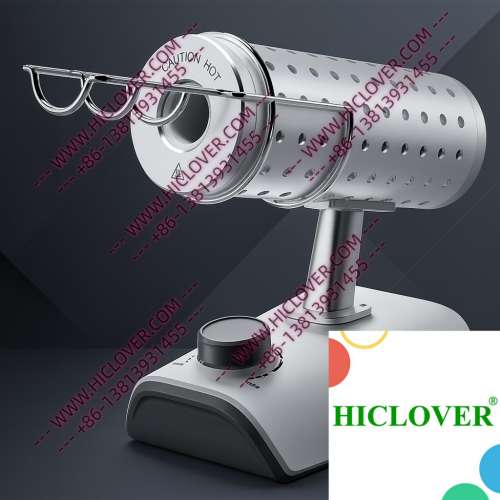
At the core of the Micro Incinerator’s functionality lies its innovative use of infrared heat. Unlike traditional flame sterilizers, which rely on open flames that can create a hazardous environment, the Micro Incinerator employs an enclosed ceramic tube. This design not only provides superior thermal sterilization but also minimizes the risk of fire hazards. The infrared heating technology achieves temperatures high enough (up to 1000°C) to effectively eliminate microbial contamination rapidly.
Applications in Real Labs
1. Biosafety Cabinets
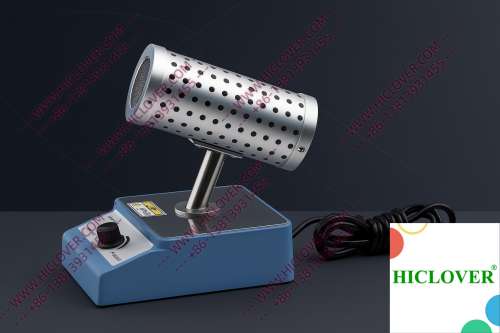
In BSL-2 and BSL-3 microbiology labs, the Micro Incinerator is crucial for ensuring contamination control. Researchers often use it inside biosafety cabinets to sterilize inoculating loops and needles. This guarantees that samples remain uncontaminated, effectively maintaining the integrity of experiments.
2. Teaching Labs
Universities engaging in microbiology coursework find the Micro Incinerator invaluable for educational purposes. Students learn safe handling practices while using a sterilizer that integrates seamlessly into laboratory workflows. Its compact size makes it an ideal choice for teaching labs where space is a premium.
Comparison: Micro Incinerator vs. Flame Burners
| Feature | Micro Incinerator | Flame Burners (Bunsen Lamp) |
|---|---|---|
| Heating Method | Infrared Heat | Open Flame |
| Temperature Control | Precision Control | Variable |
| Safety | Safe for Clean Bench Use | Fire Hazard |
| Contamination Risk | Minimal | High (Aerosols) |
| Portability | Highly Portable | Less Portable |
Compliance and Environmental Considerations
Compliance with biosafety standards is paramount in any laboratory setting. The World Health Organization (WHO) outlines specific guidelines for laboratory sterilization practices, emphasizing the importance of using methods that reduce contamination risks. The Micro Incinerator satisfies these requirements, providing rapid thermal sterilization without the need for flames, which is particularly crucial in clean rooms where safety and sterility are vital.
Moreover, international lab sterilization standards advocate for methods that prevent aerosol generation, making the Micro Incinerator an optimal choice for facilities compliant with these regulations. As countries around the globe, including those in Europe and North America, enforce these guidelines, transitioning to infrared sterilization technologies will likely become the norm.
Enhancing Workflow Efficiency in Pathology Labs
The integration of the Micro Incinerator into laboratory workflows can significantly improve productivity. Its ability to deliver high-temperature disinfection in seconds allows lab personnel to minimize downtime between procedures. Unlike traditional alcohol lamps, which take longer to heat and require ongoing attention, the Micro Incinerator offers a more efficient, hands-free solution, enhancing overall laboratory throughput.
FAQs
- What types of materials can be sterilized with a Micro Incinerator?
The Micro Incinerator is effective for sterilizing inoculating loops, needles, and other small laboratory tools that can withstand high temperatures. - Is the Micro Incinerator suitable for use in field-testing labs?
Yes, due to its portability and rapid sterilization capability, it is ideal for mobile labs conducting field tests. - How does the Micro Incinerator ensure safety in laboratories?
Its enclosed design prevents accidental burns and fire hazards that are prevalent with traditional flame sterilizers. - Can students in teaching labs utilize the Micro Incinerator?
Absolutely, its ease of use and safety features make it perfect for educational environments. - What regulatory standards does the Micro Incinerator comply with?
It adheres to WHO biosafety guidelines and contemporary lab sterilization standards, ensuring it meets the needs of various clinical and research settings.
Conclusion
As laboratories increasingly prioritize safety and efficiency, adopting advanced sterilization solutions like the Micro Incinerator becomes vital. This innovative equipment not only addresses the biosafety challenges faced in labs but also enhances workflow and compliance with international standards. We encourage you to explore the potential of the Micro Incinerator for your pathology lab and experience firsthand its benefits. For inquiries and purchasing information, feel free to contact us today!
Categories:
Tags: