
In laboratory settings, maintaining biosafety and efficient sterilization workflows are paramount. Laboratories face increasing challenges in ensuring that equipment, especially inoculation loops, remain free from contaminants. Traditional methods such as alcohol lamps and Bunsen burners pose various risks and inefficiencies. As labs transition to more modern solutions, one standout option is the Micro Incinerator, or Infrared Inoculating Loop Sterilizer. This article explores how to choose the right sterilizer and the technical principles behind these devices, highlighting their applications, compliance standards, and advantages over traditional methods.
Technical Principles of Infrared Sterilization
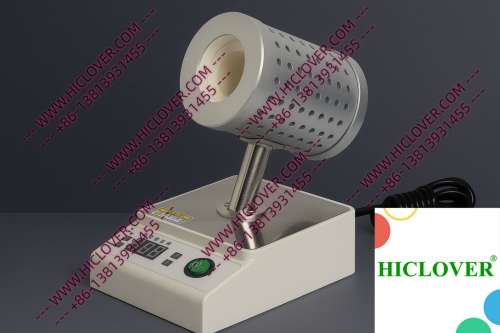
Infrared sterilization is a rapid thermal sterilization method that utilizes high-temperature disinfection through infrared radiation. The Micro Incinerator features an enclosed ceramic heating chamber designed to emit infrared heat, effectively sterilizing inoculation loops in seconds. This design minimizes risks of open flames and provides a more controlled heating environment, essential for precise sterilization outcomes.
- Contamination Control: Infrared technology significantly reduces the risk of contamination due to its rapid and efficient heating capabilities.
- Clean-Bench-Safe: The enclosed design prevents aerosol spread, making it ideal for biosafety cabinet use.
- No Flame Safety: Eliminates risks associated with traditional flame sterilizers, which can lead to laboratory hazards.
Applications in Laboratory Settings
Biosafety Cabinets
In BSL-2 and BSL-3 microbiology labs, using a Micro Incinerator within a biosafety cabinet provides enhanced safety for researchers. The infrared sterilizer allows for immediate handling of samples without fear of contamination, ensuring that any potential pathogens are effectively neutralized. The rapid heating capability of the Micro Incinerator gives lab technicians the confidence to provide sterile conditions efficiently, supporting advanced research in clinical diagnostics.
Field Testing and Mobile Labs
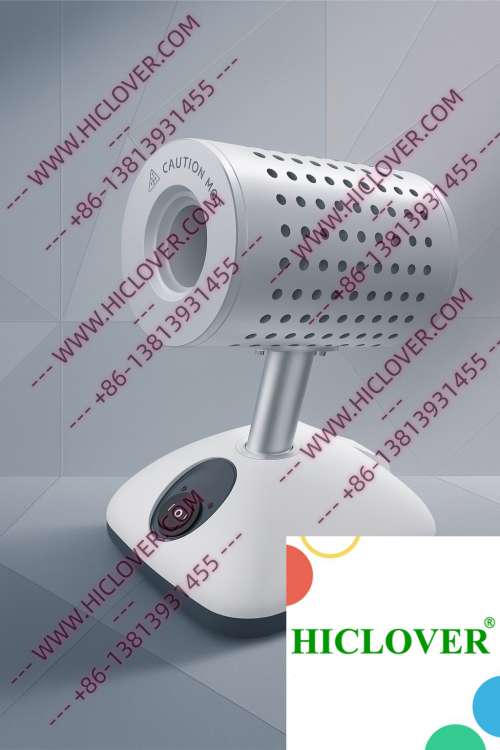
Field testing presents unique challenges in sterilization due to the lack of infrastructure for traditional methods. The portability of infrared inoculating loop sterilizers allows scientists to perform microbial testing in various environments while ensuring that sterilization protocols are consistently followed. In high-stakes situations where contamination can alter test results, these devices enhance reliability and accuracy.
Compliance and Safety Standards
Adhering to international biosafety standards is crucial. The World Health Organization (WHO) sets guidelines for biosafety levels in laboratories, emphasizing the importance of sterilization equipment in preventing pathogen transmission. The Micro Incinerator meets these high standards by providing a safe, flame-free option that complies with laboratory sterilization requirements. With its enclosed heating chamber, it prevents the spread of hazardous aerosols, making it an ideal choice for facilities needing strict adherence to biosafety regulations.
Key Advantages Over Traditional Flame Sterilizers
| Feature | Micro Incinerator | Flame Sterilizers |
|---|---|---|
| Safety | Enclosed design reduces fire risk | Open flame increases hazards |
| Efficiency | Instantaneous heating for rapid use | Requires time to ignite and stabilize |
| Control | Consistent temperature without burning | Variable heat can lead to mixed results |
| Contamination | Aerosol-free operation | Can produce contaminating aerosols |
FAQs About Micro Incinerators
What is the primary benefit of using a Micro Incinerator over traditional sterilizers?
The primary benefit lies in enhanced safety and efficiency. Micro Incinerators eliminate the risks associated with open flames and provide rapid sterilization, ensuring reliable results without contamination concerns.
Can a Micro Incinerator be used in biosafety cabinets?
Yes, the design of the Micro Incinerator is ideal for use within biosafety cabinets, providing a clean and safe method for sterilizing inoculation loops without aerosol production.
How does infrared sterilization work?
Infrared sterilization works by emitting high temperatures through infrared radiation, rapidly heating inoculation loops to a sterilization threshold, ensuring effective disinfection in seconds.
Are there specific regulatory standards for laboratory sterilizers?
Yes, various regulatory bodies, including the WHO and national health authorities, provide guidelines and standards for laboratory sterilization equipment to ensure safety and efficacy in handling pathogens.
Is the Micro Incinerator portable for field testing purposes?
Absolutely! The compact design of the Micro Incinerator makes it highly portable, enabling effective sterilization in various field testing scenarios.
Conclusion
Choosing the right sterilization equipment for inoculation loops is critical in any laboratory environment, from teaching labs to high-security BSL-3 facilities. The Micro Incinerator, with its advanced infrared technology and numerous safety advantages, serves as an essential tool in achieving compliance and maintaining biosafety standards. If your laboratory is looking for a reliable, efficient, and safe sterilization solution, consider contacting us to learn more about our Micro Incinerators and how they can improve your workflow today.
Categories:
Tags: