
In an era where laboratory safety is paramount, especially in PCR laboratories focused on biological testing, the demand for effective sterilization workflows has never been more pressing. Laboratories face numerous challenges, including preventing contamination, ensuring accurate test results, and adhering to stringent biosafety regulations. To address these concerns, advanced sterilization equipment like the Micro Incinerator or Infrared Inoculating Loop Sterilizer has emerged as a transformative solution for enhancing lab safety and reliability.
Technical Principles of the Micro Incinerator
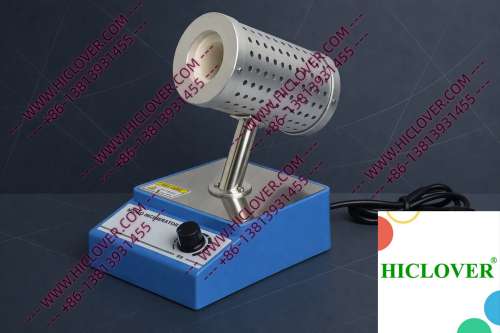
The Micro Incinerator leverages infrared heat technology to achieve rapid thermal sterilization, efficiently disinfecting inoculating loops without the risk of flame-related hazards. Its design integrates an enclosed ceramic heating chamber that reaches high temperatures, ensuring complete microbial elimination while maintaining a clean-bench-safe approach. This contrasts sharply with traditional flame sterilizers, such as alcohol lamps or Bunsen burners, which pose significant risks of fire and contamination.
Advantages of Infrared Sterilization over Traditional Flames
- Rapid Starting Time: The Micro Incinerator heats up quickly, allowing for immediate use without the delays associated with igniting traditional flames.
- Controlled Temperature: Users can achieve specific sterilization temperatures safely, reducing overheating and potential damage to lab equipment.
- Aerosol-free Handling: By using enclosed heating chambers, the Micro Incinerator minimizes the risk of aerosol generation, maintaining a sterile environment.
- Compliance Adherence: Supports compliance with laboratory safety standards by eliminating open flames in sensitive areas.
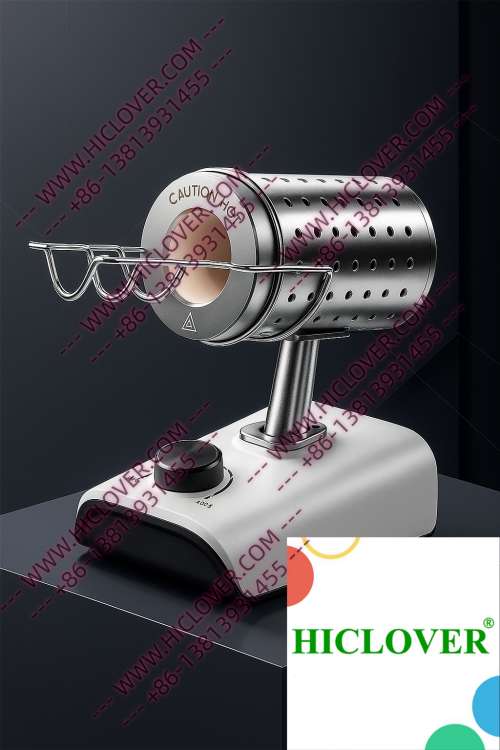
Application Scenarios in Real Labs
1. Teaching Labs in Universities
In university teaching labs, students are often required to practice microbiological techniques that necessitate the use of sterilization tools. The Micro Incinerator provides a safe and efficient means of disinfecting inoculating loops, allowing students to focus on their learning without the added pressure of handling open flames. This aligns with educational goals while ensuring compliance with laboratory safety protocols.
2. BSL-2 and BSL-3 Microbiology Labs
In high-containment laboratories, such as BSL-2 and BSL-3 facilities, strict biosafety measures are critical. The Micro Incinerator meets these demands by providing flameless sterilization, which is essential for preventing contamination in enclosed environments. Its portability allows for easy integration into various setups, whether inside a biosafety cabinet or next to other critical equipment, such as CO₂ incubators or anaerobic chambers.
Compliance and Environmental Considerations
Globally recognized organizations, such as the WHO, emphasize the importance of laboratory safety and biosafety compliance. The use of flameless sterilization technologies like the Micro Incinerator helps labs adhere to these guidelines by eliminating the risks associated with open flames. Furthermore, with the increasing focus on sustainable practices, using devices that do not produce toxic fumes can significantly reduce environmental impact during routine sterilization procedures.
Compliance with sterilization standards, such as those detailed by the CDC and ISO, is critical for laboratory operations. The Micro Incinerator’s design and operational efficiency ensure that laboratories can maintain these standards while simplifying workflow demands.
Comparison: Micro Incinerator vs. Traditional Flame Burners
| Feature | Micro Incinerator | Flame Burners |
|---|---|---|
| Heating Method | Infrared | Open Flame |
| Sterilization Time | Rapid (5-10 seconds) | Variable |
| Risk of Contamination | Minimal | High |
| Compliance | Biosafety compliant | Potentially non-compliant |
| Portability | Lightweight | Bulky |
Frequently Asked Questions (FAQs)
What is a Micro Incinerator?
A Micro Incinerator is a sterilization device that uses infrared heat to quickly and effectively eliminate microorganisms from inoculating loops and other lab instruments, offering a safe alternative to traditional flame-based sterilization methods.
How does infrared sterilization work?
Infrared sterilization works by emitting heat via infrared radiation, which is absorbed by the ceramic tube, allowing for rapid and efficient sterilization at high temperatures without producing any flames.
Can I use a Micro Incinerator in a classroom setting?
Yes, the Micro Incinerator is ideal for use in teaching labs because it provides a safe environment for students to learn microbiological techniques without the hazards of open flames.
How does the Micro Incinerator comply with biosafety regulations?
The Micro Incinerator meets biosafety regulations by providing a flameless method of sterilization, minimizing contamination risks and supporting safe laboratory practices.
Where can I purchase a Micro Incinerator?
You can purchase a Micro Incinerator through authorized laboratory supply distributors or directly from manufacturers specializing in laboratory sterilization equipment.
Conclusion
The Micro Incinerator represents a significant leap forward in laboratory sterilization technology, addressing the challenges of contamination control, safety, and compliance in PCR labs and beyond. With its rapid thermal sterilization capabilities and enhanced workflow efficiency, it stands as the preferred choice over traditional flame sterilizers. For laboratories seeking to improve their safety and reliability, investing in a Micro Incinerator is a proactive step toward a cleaner and more secure laboratory environment. Contact us today to learn more about how this innovative sterilization solution can transform your lab.
Categories:
Tags: