
In the fast-evolving landscape of laboratory biosafety, ensuring proper sterilization techniques has become a critical challenge for professionals in Vietnam. With an influx of laboratory settings ranging from clinical diagnostics to academic institutions, maintaining microbial safety standards remains paramount. One technology that stands out in addressing these sterilization workflow demands is the Micro Incinerator or Infrared Inoculating Loop Sterilizer. This article explores the technical principles, compliance requirements, and practical applications of these essential sterilization devices.
Understanding the Technical Principles
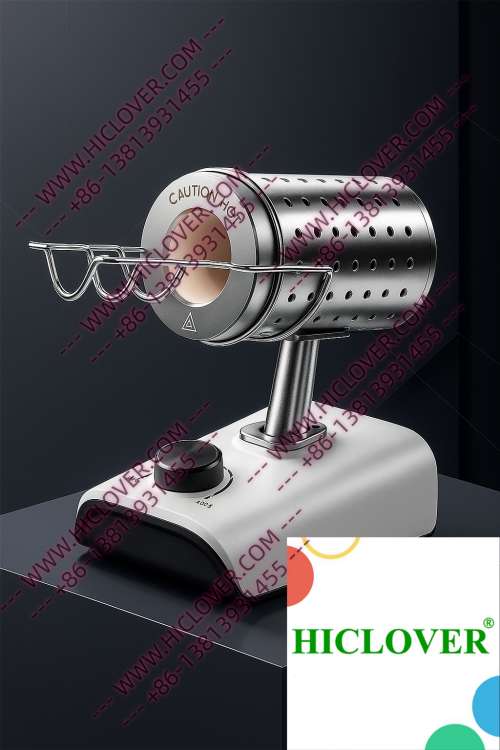
The Micro Incinerator operates on the principle of rapid thermal sterilization using infrared heat. Its enclosed ceramic tube acts as a heating chamber, which effectively achieves high temperatures, ensuring reliable disinfection without the formation of harmful aerosols commonly associated with flame sterilizers. Unlike traditional flame-based methods, this advanced design enables clean-bench-safe operations while minimizing contamination risks.
Key components of the Micro Incinerator include:
- Ceramic heating chamber: Ensures uniform heat distribution and quick heating times.
- Infrared technology: Provides immediate sterilization by targeting pathogens at the molecular level.
- No open flames: Enhances safety in controlled environments like clean rooms and BSL-2/BSL-3 labs.
Applications in Real Laboratory Settings
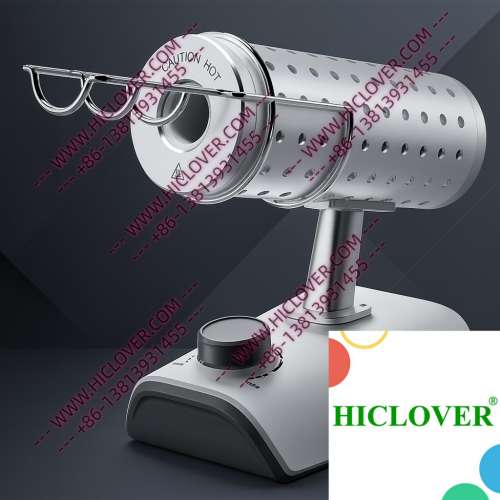
Micro Incinerators excel in various laboratory settings due to their versatile nature. Here are two application scenarios where these sterilizers play a pivotal role:
1. Biosafety Cabinets
In BSL-2 microbiology labs, where strict biosafety precautions are essential, employing a Micro Incinerator within a biosafety cabinet allows for efficient sterilization of inoculating loops, thus preventing cross-contamination of cultures. This application streamlines workflow by minimizing the time researchers spend on sterilization, allowing them to focus on critical laboratory tasks.
2. University Teaching Labs
University teaching labs utilize Micro Incinerators to introduce students to safe sterilization practices. By incorporating these devices into the curriculum, students learn the significance of maintaining microbiological safety standards while also gaining hands-on experience in using modern sterilization technology.
Compliance and Environment Considerations
Adhering to international biosafety standards is not just a regulatory necessity; it’s a moral obligation for lab operators. Organizations such as the World Health Organization (WHO) emphasize the importance of using appropriate sterilization methods—particularly in facilities where cleanroom conditions are maintained. The absence of open flames in sterile environments helps avoid potential hazards associated with combustion, making Micro Incinerators the preferable choice over traditional flame sterilizers like Bunsen burners or alcohol lamps.
Moreover, compliance with Vietnam’s local laboratory sterilization standards ensures safer working conditions and enhances the credibility of laboratory operations.
Benefits Over Traditional Flame Sterilizers
Here’s how Micro Incinerators outperform traditional flame sterilizers:
| Feature | Micro Incinerator | Flame Sterilizers |
|---|---|---|
| Heat Source | Infrared | Open Flame |
| Contamination Risk | Minimal | Higher |
| Time Efficiency | Rapid | Varies |
| Safety in Clean Rooms | Yes | No |
Frequently Asked Questions
What is the operating temperature of a Micro Incinerator?
The operating temperature can reach up to 850°C, making it highly effective for rapid sterilization.
Can Micro Incinerators be used in field testing?
Yes, their compact size and safety features make them suitable for mobile or field testing applications.
What are the benefits of using infrared technology in sterilization?
Infrared sterilization provides immediate heat without the risks of combustion, ensuring a cleaner and safer sterilization process.
Are there any specific maintenance requirements for these devices?
Routine cleaning of the ceramic heating chamber and periodic safety checks are recommended to maintain operational efficiency.
How does using a Micro Incinerator improve laboratory workflows?
By significantly reducing sterilization time and minimizing contamination risks, laboratories can enhance overall productivity and operational safety.
Conclusion
In summary, the Micro Incinerator / Infrared Inoculating Loop Sterilizer is an essential investment for laboratories across Vietnam aiming to meet stringent biosafety standards while enhancing workflow efficiency. If you’re looking to upgrade your laboratory’s sterilization equipment or need further information on product specifications, we encourage you to contact us today for the best solutions tailored to your needs.
This article aims to cover various aspects of laboratory sterilization standards in Vietnam and the key role of Micro Incinerators, with an emphasis on compliance and applications while maintaining SEO best practices.
Categories:
Tags: